What Size Tires Fit a 2008 Kia Sorento?
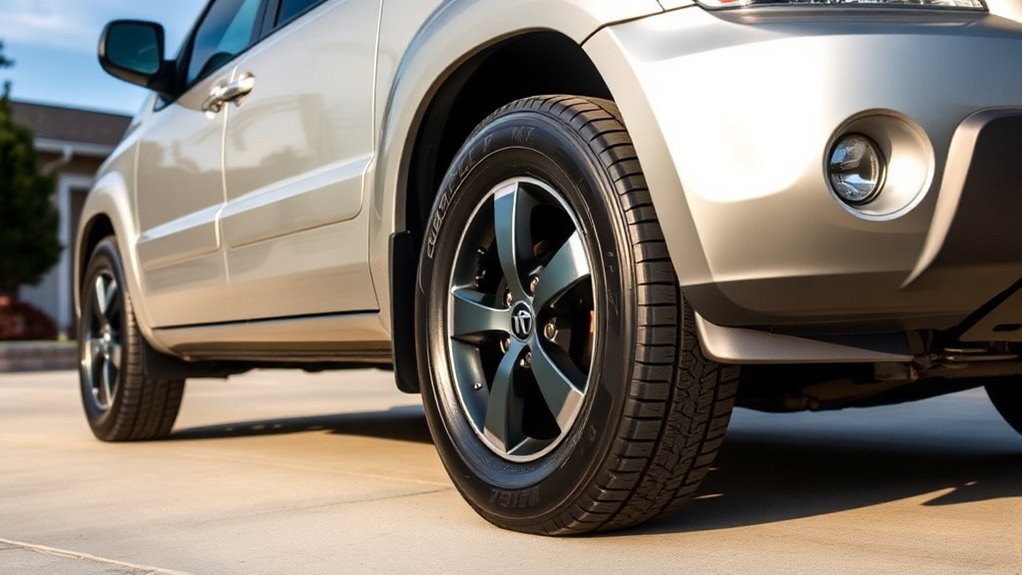
A 2008 Kia Sorento commonly fits 235/70R16 or 235/60R18 tires, but some trims use 235/75R16, 235/65R17, or even 245/60R18 with certain wheel packages. These tire sizes are what you’ll most often see when looking for replacements or upgrades for your Sorento.
You should always verify the exact size on your door-jamb label or owner’s manual before buying. Previous owners may have changed the tires, so don’t just assume what’s on the vehicle now is correct.
Also, make sure to match the load and speed ratings. Keeping the overall diameter close to stock is important too. This helps your speedometer and ABS stay accurate, which keeps your driving safe and smooth.
If you want to pick the best fit for your Sorento, checking these details closely will really help. It’s all about getting the right size and specs for your specific model and trim.
Key Takeaways
- Common factory-fit 2008 Kia Sorento tire sizes include 235/70R16 and 235/60R18. Base trims commonly use 235/75R16, while Limited trims often use 235/65R17.
- Some Limited models may have 245/60R18, depending on the wheel package. It’s always a good idea to verify the exact size on the door-jamb label, owner’s manual, or VIN-based equipment list.
- Make sure to keep the overall diameter close to stock. This helps avoid rubbing, speedometer errors, and ABS issues down the road.
What Tire Size Fits a 2008 Kia Sorento?
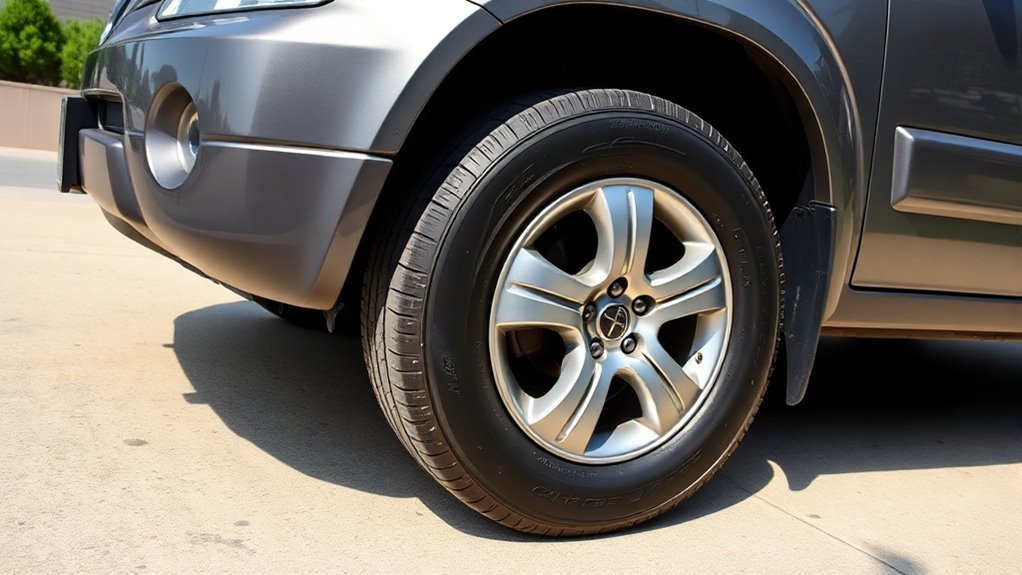
If you’re shopping for tires for a 2008 Kia Sorento, the right size depends on the trim, but common factory-fit options include 235/70R16 and 235/60R18. You should match the size on your door-jamb label or owner’s manual before you buy.
Common factory-fit tire sizes for a 2008 Kia Sorento include 235/70R16 and 235/60R18.
That code tells you the tire’s width, sidewall ratio, and wheel diameter, so you can order the correct replacement. If you choose a different size, you can affect speedometer accuracy, handling, and clearance.
Stick with the original dimensions unless a tire professional confirms another size will work safely. You can also check the current tires on your Sorento, but verify they haven’t been changed from stock.
Picking the correct size helps you preserve ride comfort, traction, and overall performance. It’s always better to be safe than sorry when it comes to your tires!
2008 Sorento Tire Sizes by Trim
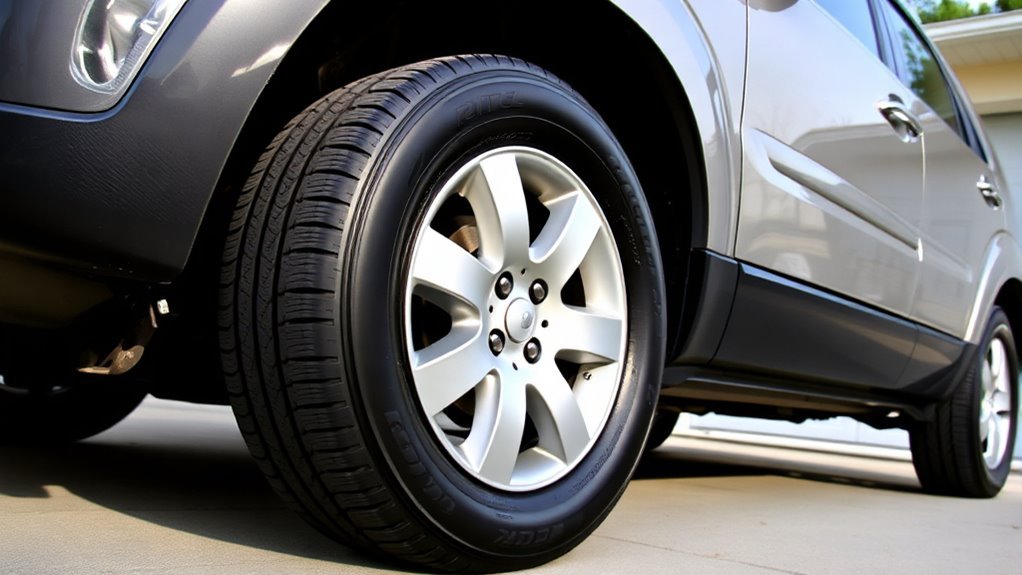
You’ll find that the 2008 Sorento’s tire size can change by trim, so it’s important to match your model exactly. The Base trim uses one set of sizes, while the Limited trim may call for another.
Checking your trim helps you choose the right fit and keep your Sorento handling properly. It’s a small step that makes a big difference in performance.
Base Trim Sizes
The 2008 Kia Sorento Base trim comes with tire sizes that balance everyday comfort, traction, and load-carrying ability. You’ll usually see 235/75R16 tires on this trim, which give you a good mix of ride comfort and stable handling.
If your Sorento uses factory 16-inch wheels, stick with that size to keep speedometer readings and suspension behavior accurate. You can also choose all-season tires for reliable wet and dry grip, plus light off-road use.
When you replace your tires, match the load index and speed rating to what Kia specifies. Check the sidewall, door-jamb placard, or owner’s manual before buying.
Keeping the right size helps your Sorento drive smoothly and protects fuel economy, steering response, and braking performance. It’s a simple step that makes a big difference.
Limited Trim Sizes
On the 2008 Kia Sorento Limited, tire size can vary by wheel package, so you’ll want to check your specific trim and factory setup before buying replacements. Most Limited models use 235/65R17 tires, but some come with 245/60R18 fitments depending on the original wheels.
You should match the load rating and speed rating from your door placard when shopping, because the right spec helps keep handling, ride comfort, and ABS performance consistent. If you’re replacing all four tires, keep the sizes identical unless a qualified tire shop confirms otherwise.
You can also compare the sidewall code on your current tires to avoid surprises. When in doubt, verify the VIN-based equipment list or ask a dealer to confirm the exact factory size.
How to Read a 2008 Sorento Tire Sidewall
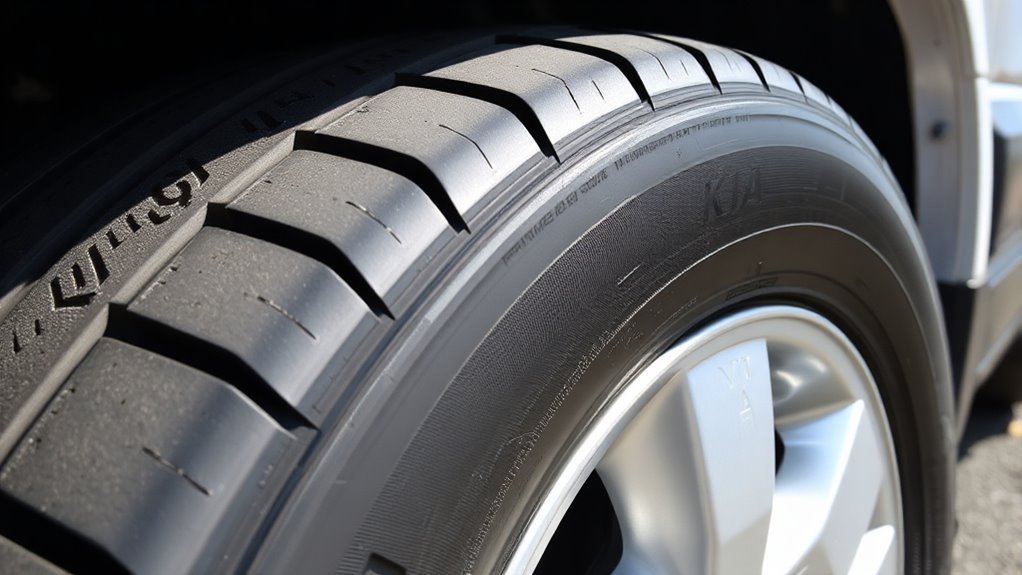
To read a 2008 Sorento tire sidewall, start with the full tire code, such as P235/65R17, and break it down piece by piece. The “P” tells you it’s a passenger tire.
“235” is the section width in millimeters. “65” is the aspect ratio, meaning the sidewall height equals 65% of the width.
“R” shows radial construction, which you’ll see on most modern tires. “17” is the wheel diameter in inches, so the tire fits a 17-inch rim.
You’ll also find load index and speed rating after the size, plus dots or letters for production details.
Read these markings carefully before buying replacement tires, because they tell you whether a tire matches your Sorento’s wheel and performance needs.
Can You Upsize Tires on a 2008 Sorento?
Yes, you can upsize tires on a 2008 Sorento, but you’ve got to stay within safe limits. You’ll need to check for clearance around the wheel wells, suspension, and fenders so the bigger tires don’t rub.
Keep in mind that larger tires can change your speedometer reading, so you may need to account for that too. It’s always a good idea to double-check before making any changes.
Upsizing Limits
You can upsize the tires on a 2008 Kia Sorento, but only within a safe range that preserves clearance, handling, and speedometer accuracy. You’ll usually want a modest jump in width or overall diameter, not a dramatic change.
Keep the new tire close to stock so you don’t distort gearing or create harsh steering feel.
| Change | Effect | Risk |
|---|---|---|
| Slightly wider | More grip | Minor rubbing |
| Slightly taller | Fuller stance | Speedometer drift |
| Larger wheel | Sharper look | Reduced comfort |
Aim for a size change that stays near factory specs and matches your driving needs. If you’re chasing a tougher appearance, choose carefully. Too much upsizing can compromise everyday drivability and tire life.
Clearance Checks
Before you upsize tires on a 2008 Kia Sorento, check the wheel well, suspension, and fender clearance at full lock and full compression. Turn the steering wheel fully left and right, then inspect every side of the tire for rub points on the liner, control arms, struts, and splash guards.
Next, compress the suspension by loading the vehicle or carefully cycling it through travel. Look for contact near the top of the arch and rear edge of the opening.
You should also examine brake lines and mud flaps for interference. If you spot any rubbing marks, choose a smaller tire or a different wheel offset. Even a slight size increase can cause problems when you drive over bumps, so test fit before you buy.
Speedometer Impact
Even if a larger tire clears the wheel well, it can still throw off your speedometer and odometer on a 2008 Kia Sorento. When you upsize, each rotation covers more ground, so your truck may travel faster than the gauge shows.
That means 60 mph on the dash could really be 62 or more, depending on how much taller the tire is. Your odometer will also underreport mileage, which can skew fuel tracking and maintenance intervals.
If you want to upsize, keep the overall diameter close to stock to minimize error. Aftermarket calibration tools or a dealer reflash can correct the reading, but you should verify the change first.
Check tire calculators before buying, and test drive carefully to confirm the difference. It’s worth double-checking so you don’t get caught off guard.
Best Tire Options for Comfort and MPG
For the best balance of comfort and fuel economy, look for touring or grand touring tires in the original 2008 Kia Sorento sizes. These tires typically offer a quieter ride, lighter rolling resistance, and better wet-weather manners than aggressive all-terrain options.
For comfort and fuel economy, choose touring tires in the original Sorento sizes for a quieter, smoother ride.
You’ll usually notice smoother highway cruising, less road noise, and more predictable handling in rain. If you want a bit more refinement, choose models with low-rolling-resistance compounds and solid tread wear ratings.
Prioritize reputable brands that publish comfort-focused testing data, and compare tread warranties if you drive often. A properly inflated tire also helps you keep mpg up and ride quality steady.
When you replace all four tires together, you’ll preserve balanced traction and keep the Sorento feeling composed on daily commutes and longer trips. It’s a small step that makes a big difference!
Common Tire Fitment Mistakes on a 2008 Sorento
A common mistake on a 2008 Kia Sorento is choosing a tire that’s too large without checking clearance, speedometer accuracy, or load rating. You can rub the fenders, hit the suspension, or stress the steering at full lock. Don’t assume every 255 or 265 tire fits just because the wheel bolts on.
You should also avoid ignoring overall diameter changes, since they can throw off your speedometer and ABS readings. Another error is mixing worn and new tires with very different tread depths, which can upset handling. Make sure you match the correct bolt pattern, offset, and width before you buy.
If you’re unsure, compare your current tire size to the proposed size and verify fitment against factory specs first. It’s always better to double-check than to deal with issues down the road. That way, you’ll keep your Sorento running smoothly and safely.
Frequently Asked Questions
Does the 2008 Kia Sorento Need TPMS Sensors With New Tires?
Yes, you’ll usually need TPMS sensors with new tires if your Sorento has them already. You can reuse old sensors if they still work, but you should replace damaged ones and relearn them after mounting.
It’s pretty important to make sure the sensors are working right. Otherwise, you won’t get accurate tire pressure readings, which can be risky. So, double-check those sensors when you get new tires!
What Is the 2008 Sorento’s Recommended Tire Pressure?
You should keep your 2008 Sorento at about 32 psi front and rear, when cold. Nearly 1 in 4 drivers underinflate tires, so you’ll improve safety, mileage, and tire life by checking it regularly.
It’s a simple step that makes a big difference. Just remember to check your tire pressure before you hit the road!
Can I Use Winter Tires on a 2008 Kia Sorento?
Yes, you can use winter tires on your 2008 Kia Sorento, and you’ll improve grip in snow and ice.
Just make sure to match the correct size, load rating, and pressure. Then, swap them seasonally for the best results.
How Often Should 2008 Sorento Tires Be Rotated?
You should rotate your 2008 Sorento tires every 5,000 to 7,500 miles, or with each oil change.
Doing this helps your tires wear evenly, which is pretty important. It also improves handling and can extend the life of your tires.
What Wheel Bolt Pattern Does a 2008 Kia Sorento Use?
Your 2008 Kia Sorento uses a 5×114.3 mm wheel bolt pattern. This is a pretty common fitment that you’ll find on many SUVs.
Conclusion
To wrap things up, you can fit the right tires on your 2008 Kia Sorento by checking your trim, reading the sidewall, and matching the correct size. It’s important to know the exact tire size recommended for your specific model.
You can also upsize carefully to improve the look and performance, but always measure first. Choosing the right tires helps improve comfort and avoids costly fitment mistakes.
Buy smart and stay within safe limits to protect your vehicle’s handling and safety. When you pick the right tires for your 2008 Kia Sorento, you boost safety, protect performance, and enjoy a smoother, better ride every day. So, take your time, do your research, and make sure your new tires fit perfectly for the best driving experience.