How to Read Tire Specifications in 10 Steps
Start by cleaning the tire sidewall and finding the full code near the rim. This code holds important tire specifications that you need to know. Begin by reading the size first, like 225/50R17.
Then, note the load index and speed rating. These tell you how much weight the tire can carry and the maximum speed it’s designed for. Check construction marks such as R, B, or D, plus tire type like P, LT, or ST.
Next, compare everything with your door placard and owner’s manual to ensure the specs match your vehicle’s requirements. Finally, look for seasonal symbols and special-use markings. These details help you understand if the tire is suitable for winter, summer, or all-season use.
Because the next steps can help you spot the details that matter most, it’s worth taking the time to read and understand all these markings carefully.
Key Takeaways
- Find the tire sidewall code and copy the full string exactly, including the DOT code and all visible markings. This helps ensure you have the precise information you need.
- Read the size code to identify the width, aspect ratio, construction type, and wheel diameter. These details tell you a lot about the tire’s fit and performance.
- Check the load index and speed rating. Make sure they match or exceed your vehicle’s requirements to stay safe on the road.
- Use the vehicle placard as the primary reference for the correct tire size, pressure, load, and speed specifications. This is usually found on the driver’s side door jamb or inside the fuel door.
- Note special markings like all-season, winter, LT, ST, and run-flat indicators. These tell you about the tire’s intended use and conditions it’s best suited for.
Start With the Tire Sidewall Code
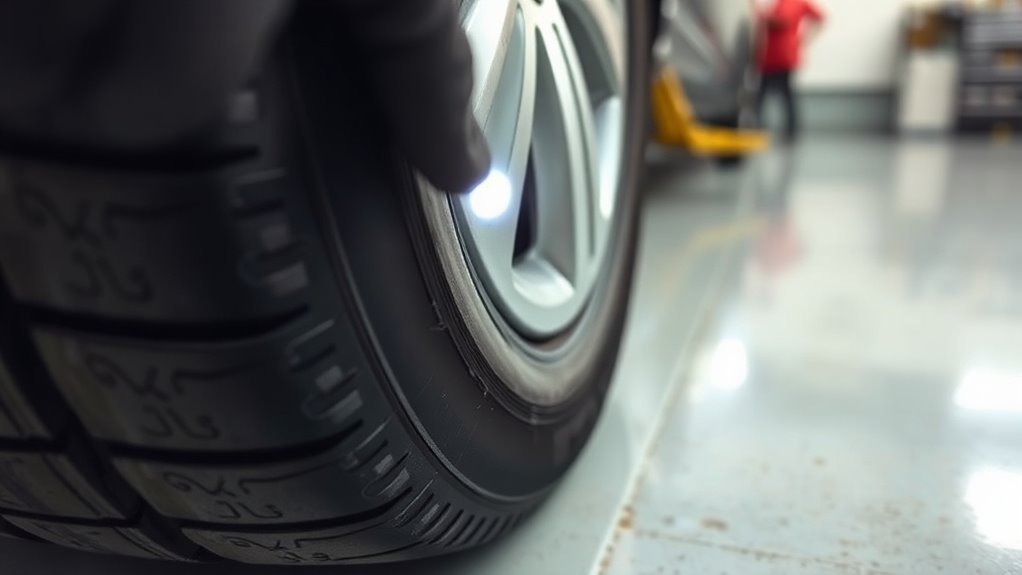
To get started, look at the tire sidewall code stamped on the tire itself. You’ll find a mix of letters and numbers molded into the rubber, usually near the rim. This code gives you the tire’s basic identity, so you can match the right tire to your vehicle.
Read it carefully and make sure it’s clean and fully visible before you copy anything down. You don’t need to guess what each mark means yet; just focus on locating the full string exactly as printed.
If the sidewall is dirty, wipe it off first so you don’t miss a character. Check all four tires if needed, because the code should be consistent on matching tires. Once you’ve found it, you’re ready for the next step in reading the specification details.
Decode Tire Size Numbers
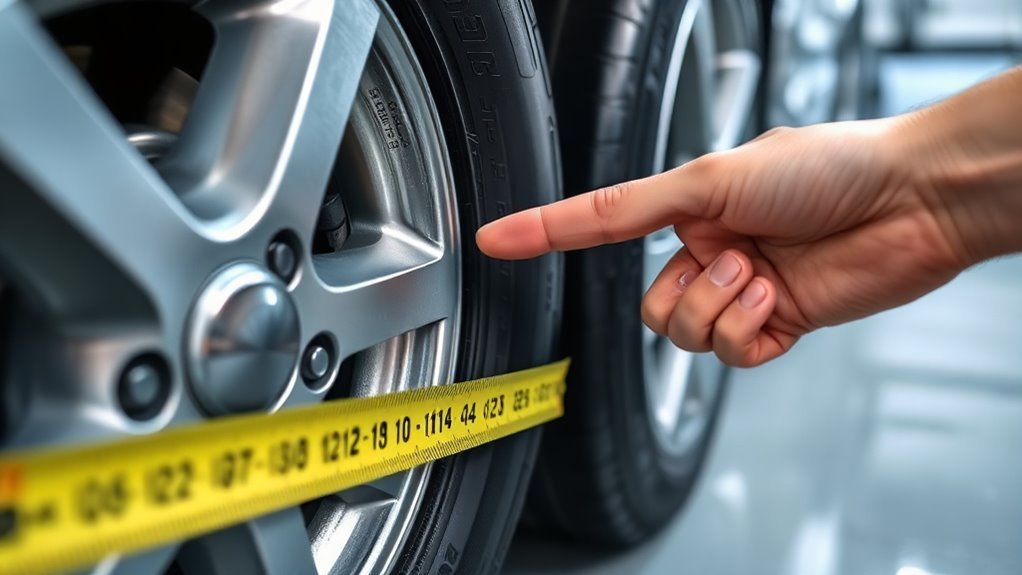
Once you’ve found the sidewall code, the next part to read is the tire size number, which tells you the tire’s width, aspect ratio, and rim diameter. You’ll usually see a format like 225/50R17.
The first number, 225, shows the tire’s width in millimeters from sidewall to sidewall. The second number, 50, is the aspect ratio, so the sidewall height equals 50% of the width.
The letter R means the tire uses radial construction, which is standard on most vehicles. The last number, 17, tells you the wheel diameter in inches.
When you understand these parts, you can compare replacement tires more accurately and choose a size that fits your vehicle’s wheels and handling needs. It really makes picking the right tire a lot easier!
Read Load Index and Speed Rating
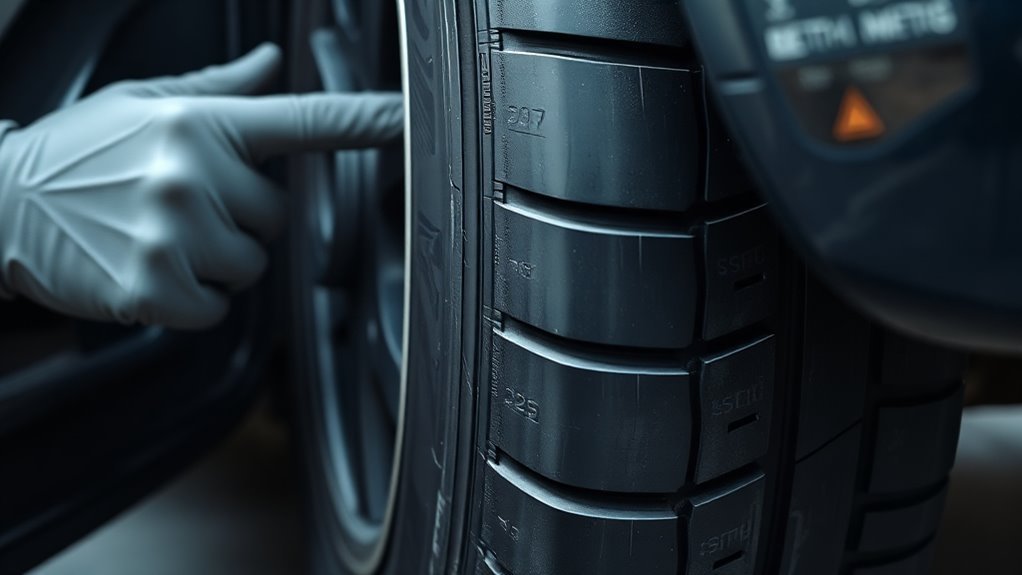
You can read the load index to see how much weight each tire can safely carry. The speed rating shows the maximum speed the tire is designed to handle under proper conditions.
Make sure to match both ratings to your vehicle’s needs. That way, you keep performance and safety in balance.
Decoding Load Index
When you read a tire sidewall, the load index tells you how much weight that tire can safely support. The speed rating shows the maximum speed it’s designed to handle.
You’ll usually see the load index as a number after the tire size, such as 91 or 104. Don’t treat it like a guess; each number matches a specific weight capacity listed in a chart.
To use it correctly, check your vehicle’s recommended load index and make sure the tire meets or exceeds it. If you choose a lower rating, you risk overheating, faster wear, and reduced safety.
The right load index helps your tires carry passengers, cargo, and everyday driving demands without strain or surprise. It’s all about keeping things safe and smooth on the road.
Understanding Speed Rating
Ever notice the letter on your tire sidewall right after the load index? That letter is the speed rating, and it tells you the maximum speed the tire can safely handle under ideal conditions.
You’ll see letters like S, T, H, V, or W, and each one stands for a higher performance limit. But a higher letter doesn’t mean it’s better in every case; it just means the tire is built for greater speed capability.
You should always read it as part of the full code, not by itself. If you ignore the speed rating, you might end up with a tire that can’t meet your driving demands.
Matching Ratings To Vehicle
Now that you know how to read the load index and speed rating, compare both numbers against your vehicle’s requirements. Check the owner’s manual or the driver’s door placard for the exact specs.
Your tires must meet or exceed the listed load index, so they can safely support your vehicle, passengers, and cargo. They also need a speed rating that matches or exceeds your car’s maximum intended speed.
Don’t choose a lower rating to save money; that can affect handling, heat resistance, and safety. If you’re upgrading wheels or changing tire size, verify the new tires still satisfy both ratings.
When the numbers match your vehicle’s needs, you’ll protect performance, stability, and tread life on every drive. It’s worth taking the time to get this right!
Understand Tire Construction Markings
Tire construction markings tell you how a tire is built, and they’re usually printed right on the sidewall. You’ll often see letters like “R,” “B,” or “D” after the size code.
“R” means radial construction, which uses plies that run across the tire and improves flexibility and ride comfort. “B” means bias-belted, and “D” means diagonal or bias-ply construction, where layers cross at angles.
You should also notice ply materials or counts, such as polyester, steel, or nylon, which hint at strength and durability. Read these markings carefully, because they help you understand how the tire handles load, heat, and road impact.
If the code seems confusing, compare it with the manufacturer’s chart so you can decode it accurately. It’s worth taking a moment to get it right!
Identify Tire Type and Service Class
You can identify a tire’s type code to see what kind of vehicle it’s made for, such as passenger, light truck, or temporary use. Then check the service class rating, which shows the tire’s load and speed limits.
Together, these markings help you match the tire to your vehicle’s needs. It’s a simple way to make sure you’re using the right tire for the job.
Tire Type Codes
Tire type codes quickly show what kind of tire you’re looking at and the service class it’s built for. You’ll usually see a letter or letters at the start of the size code, and those letters tell you the tire’s basic category.
For example, P means a passenger vehicle tire, LT means a light truck tire, and ST means a special trailer tire. If there’s no prefix, you’re often looking at a metric tire size used on many cars and crossovers.
You can use these codes to narrow the tire’s intended use before you compare sizes or fitment details. Reading them correctly helps you avoid buying a tire that doesn’t match your vehicle’s design, load needs, or everyday driving demands.
Service Class Ratings
After the type code, the service class rating tells you how the tire is meant to perform and what kind of duty it can handle. You’ll usually see letters that show speed, load, or both, and each mark gives you a quick clue about the tire’s limits.
For example, a passenger tire may carry a P, while a commercial or light truck tire may use LT, C, or similar designations. Speed symbols such as S, T, H, or V tell you the maximum safe speed the tire can sustain when it’s properly inflated and loaded.
Load indexes work the same way: they tell you how much weight each tire can support. Make sure you check both together, because they help you match the tire to your vehicle, driving style, and hauling needs. It’s pretty handy once you get the hang of it!
Find the DOT Code and Date
Look on the tire’s sidewall for the DOT code, which identifies the manufacturer and production details. You’ll usually see a string of letters and numbers beginning with DOT, followed by plant and size information.
Don’t worry about decoding every character; focus on the last four digits. They tell you the tire’s week and year of manufacture. For example, 3524 means the tire was made in the 35th week of 2024.
If the code has only three digits, the tire was built before 2000 and you shouldn’t rely on it for current use. Check each tire separately, since dates can differ.
A newer-looking tire isn’t always safer if it’s been stored too long or shows aging signs. So, keep an eye out and make sure you’re checking the right details!
Match Tire Specs to Your Vehicle
You should start with the vehicle placard, since it lists the tire size and pressure your car was designed to use. Then compare the load and speed ratings on the tire sidewall to those specs so you know the tire can safely handle your vehicle’s needs.
If the ratings don’t match, don’t guess—choose a tire that meets or exceeds the manufacturer’s requirements. It’s always better to be safe than sorry when it comes to your tires.
Vehicle Placard Specs
Your vehicle’s placard gives you the exact tire size, load index, and inflation pressure the manufacturer recommends, so it should be your first reference when matching tires to your car.
You’ll usually find it on the driver’s door jamb, glove box, or fuel door. Read it carefully, because it tells you the tires your vehicle was built to use, not just what looks similar.
If you replace tires with a different size, you can affect handling, clearance, and speedometer accuracy. When you shop, compare every tire’s sidewall markings with the placard before you buy.
If the numbers don’t line up, keep looking. Your owner’s manual can help too, but the placard remains the quickest, most reliable guide for choosing tires that fit correctly and perform as intended.
Load And Speed Ratings
Next, check the load index and speed rating on the tire sidewall to make sure they match, or exceed, your vehicle’s requirements. The load index tells you how much weight each tire can safely support, so you should compare it with the figures on your door placard.
If you pick a lower rating, you can overload the tire and risk poor handling, heat buildup, or failure. The speed rating shows the maximum speed the tire can sustain under proper conditions. You don’t need a higher rating than the vehicle calls for, but you shouldn’t go lower unless the manufacturer allows it.
When you shop, confirm both numbers on every tire. Matching them keeps your vehicle stable, protects performance, and helps you drive with confidence. It’s a small check that makes a big difference in safety and ride quality.
Compare Seasonal and Performance Ratings
Seasonal and performance ratings tell you how a tire handles different weather and driving conditions, so they’re worth comparing before you buy. You’ll usually choose between all-season comfort, summer grip, and winter traction. Each one changes how your car feels on the road.
Read the sidewall markings, then match them to your climate and driving style.
- A wet city street after rain
- A hot highway under midday sun
- An icy driveway on a winter morning
If you drive year-round in mild weather, you may prefer a balanced tire. But if you want sharper cornering, performance ratings matter more. And if snow or cold is common, seasonal traction should lead your decision.
Compare the label, then pick the tire that fits your roads, not just your wishes.
Spot Special-Use Tire Markings
Beyond size and season, tire sidewalls can also reveal special-use markings that tell you how a tire is built to perform in specific conditions. You might see letters like LT for light trucks, indicating a tire that can handle heavier loads and tougher duty than a passenger tire.
ST means special trailer, so you shouldn’t use it on a drive axle. If you spot C or D load ranges, read them as clues to added ply strength, not exact ply counts.
Run-flat tires often carry unique symbols or abbreviations, and winter tires may show the Three-Peak Mountain Snowflake icon. When you notice these markings, match them to your vehicle’s needs so you pick a tire that fits the job, not just the rim.
Avoid Common Tire Spec Mistakes
Even when you can read a sidewall, it’s easy to misread tire specs and make the wrong choice. You might match the size but miss the load index, speed rating, or tire type, and that can hurt handling or safety.
Double-check every number before you buy, and compare it with your vehicle placard and owner’s manual. Don’t assume all tires with the same diameter fit the same job.
Picture a tire carrying too much weight and bulging under stress. Or a speed-rated tire that can’t handle your commute.
What about a winter tire on dry pavement, wasting grip and wear? When you verify specs carefully, you avoid costly mistakes and get tires that truly fit your driving needs.
Frequently Asked Questions
How Do I Read Tire Pressure Recommendations?
You’ll find tire pressure recommendations on your driver’s door jamb sticker or owner’s manual. Check the cold tire psi, inflate to that number, and don’t use the sidewall maximum unless specified.
It’s important to follow these guidelines because the sidewall maximum is usually higher than what your car needs. So, stick to the recommended psi for a safer and smoother ride.
Can I Use Different Tire Brands Together?
You can, but you shouldn’t mix different tire brands on the same axle if you can avoid it.
You’ll get better handling, grip, and wear when you match tires by size, type, tread, and load rating.
It just makes for a smoother, safer ride overall. So, sticking to the same brand on each axle is usually the best bet.
What Does the Tire Treadwear Rating Mean?
Treadwear rating? It tells you how long your tire should last: higher numbers usually mean slower wear.
You can compare tires, but not perfectly; driving habits, roads, and maintenance still affect lifespan.
How Often Should I Replace Old Tires?
You should replace your tires every 6 years, or sooner if tread’s below 2/32 inch, cracks appear, or you notice vibrations.
Check them annually, and don’t wait if they’re damaged or worn. It’s better to be safe than sorry!
Do Tires Need Balancing After Installation?
Yes, you should balance tires after installation. Like tuning a guitar, you’ll notice every wobble.
Mechanics often find slight weight differences; balancing helps you drive smoothly, protect tread, and avoid vibration. It’s a simple step that really makes a difference.
Conclusion
Now you can read tire specs with confidence and choose the right fit for your vehicle. When you decode the sidewall, check the load index, speed rating, and construction, you avoid costly mistakes and stay safer on the road.
Did you know that underinflated tires contribute to about 11,000 crashes each year? That’s a reminder to inspect your tires regularly and use the specs to make smarter, safer choices every time you drive.
Understanding tire specifications is key to maintaining your vehicle’s performance and safety. By paying attention to details like load capacity and speed rating, you ensure your tires are up to the task. So, next time you check your tire sidewall, remember: reading tire specs isn’t just about numbers—it’s about protecting yourself and others on the road. Stay informed, stay safe, and keep your ride smooth with the right tire knowledge.