• What Is a G Sensor on a Dash Cam?

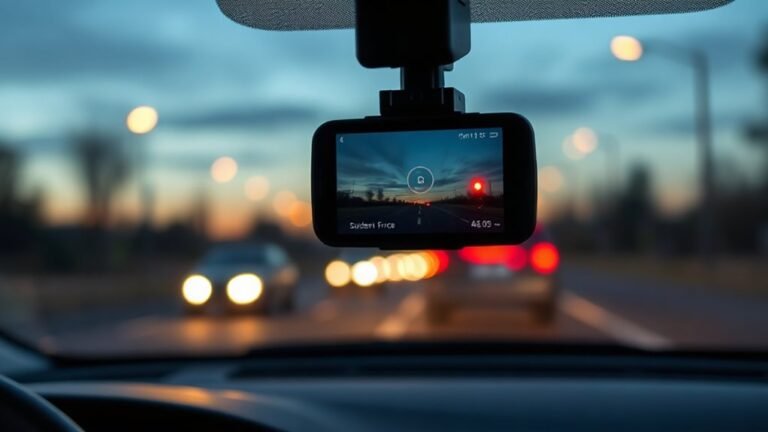
    A G sensor on your dash cam detects sudden changes in motion, like hard braking, sharp turns, or a collision, using a built-in accelerometer. When it senses an impact, it automatically locks the current clip so loop recording won’t overwrite it.

    That helps you keep evidence for insurance claims or disputes without doing anything manually. Sensitivity settings let you balance protection with fewer false triggers, and understanding them can help you get better results from your camera.

  • What Is Dash Cam Parking Mode?

    Dash cam parking mode keeps your camera on watch after you turn off your engine, so it can record what happens around your vehicle while you’re away. It can capture motion, impacts, bumps, break-ins, or vandalism in parking lots, driveways, and on city streets.

    The camera usually needs constant power from a hardwire kit or battery pack, and it may use motion alerts, impact detection, or time-lapse to save space. There’s more to know about how it works.

  • Is There a Dash Cam Without Wires?

    Yes, you can get a dash cam without a direct data wire to your phone, but most models still need power. Wireless dash cams usually connect by Wi‑Fi or Bluetooth, so you can view, download, and share clips from your phone without pulling out the card.

    Some use a built-in battery for short wire-free use, but it won’t last forever. If you want cleaner installation and easier control, there’s more to know about the trade-offs.

  • 7 Good Reasons the Red Tiger Dash Cam

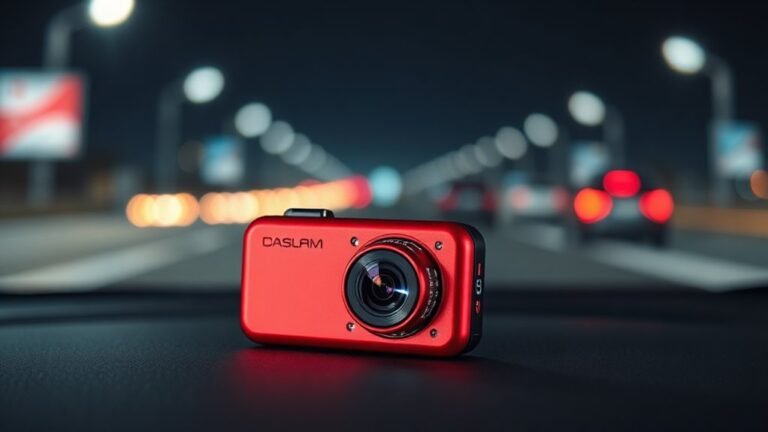
    If you’re considering the Red Tiger dash cam, you get seven strong reasons to choose it: crisp video that captures plates and signs, reliable night recording, loop recording that saves space, a G-sensor that locks important clips, easy installation, useful parking support, and a compact design that stays out of the way.

    It’s simple to use and offers solid value for the price. Keep going, and you’ll see how each feature helps you on the road.

  • How to Install a Dash Cam With a Cigarette Lighter in 7 Steps

    Check that your dash cam uses 5V and that your car’s cigarette lighter outlet can safely supply the needed power. Gather the mount, cable, and tools, then pick an outlet that isn’t overloaded.

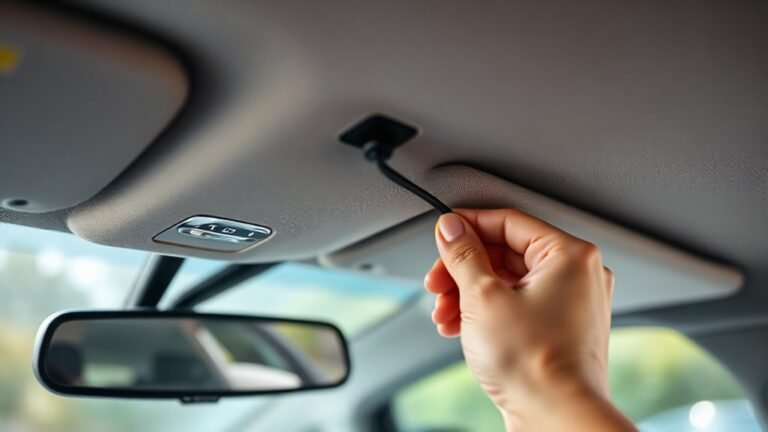
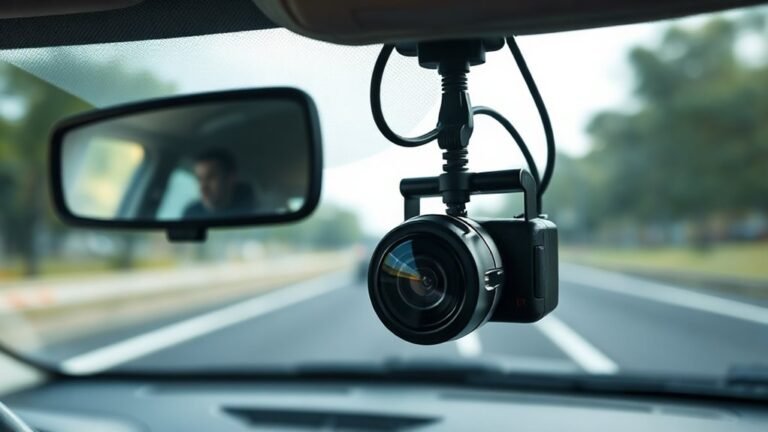
    Clean the windshield, mount the camera high near the mirror, and route the cable along the headliner and pillar. Plug it in, start the car, and confirm it powers up and records.

    Then fine-tune the angle and tidy the wiring for a cleaner setup that’s worth learning more about.

  • Hide Dash Cam Wires in Your Headliner in 5 Steps

    Start by gathering a plastic trim removal tool or panel popper, plus zip ties, electrical tape, a microfiber cloth, and a flashlight. Plan the cable path from the dash cam to power, watching for airbags and trim seams.

    Gently tuck the wire into the headliner gap, then run it down the pillar with a trim tool. Secure slack, refit the trim, and test the camera.

    A few extra tips can make the install even cleaner. Taking your time here really pays off!

  • Does a Dash Cam Record When Car Is Off?

    Yes—your dash cam can record when your car is off, but only if it has constant power. If you rely on the cigarette lighter and that socket shuts off with the ignition, recording stops.

    To keep filming while parked, you usually need a hardwire kit, a battery pack, or a 12V outlet that stays live. Parking mode, motion detection, and impact sensing help it capture events while you’re away.

    With these features and the right setup, your dash cam gets a lot more useful when your car is parked. It’s all about making sure it stays powered even when the engine isn’t running.

  • Which AI Dash Cam Is Best for Heavy Equipment?

    The best AI dash cam for heavy equipment is one that can handle dust, vibration, moisture, heat, and rough terrain while still delivering clear front, side, and rear views. You’ll want real-time safety alerts for blind spots, tailgating, drifting, and fatigue, plus in-cab coaching to correct risky behavior fast.

    The strongest systems also link video to GPS and telematics, making fleet review and incident follow-up easier. Keep going, and you’ll see how to choose the right fit.

  • What Is an AG Sensor on a Dash Cam?

    An AG sensor on a dash cam is a built-in light sensor that measures surrounding brightness and automatically adjusts exposure as conditions change. You get clearer footage when you drive from bright sun into tunnels, shaded streets, or low-light roads because the camera responds frame by frame.

    It helps reduce glare, preserve detail, and keep video easier to review later. If you keep going, you’ll see how it works and when it matters most.

  • How Are Dash Cams Powered?

    Dash cams are usually powered by your car’s 12V cigarette lighter or USB port, which gives you the easiest plug-and-play setup.

    You can also hardwire one to the fuse box for a cleaner install, constant power, and parking mode. Some models use a built-in battery or capacitor for backup recording when power cuts off.

    The best setup depends on how you drive, park, and install it. And there’s more to take into account.