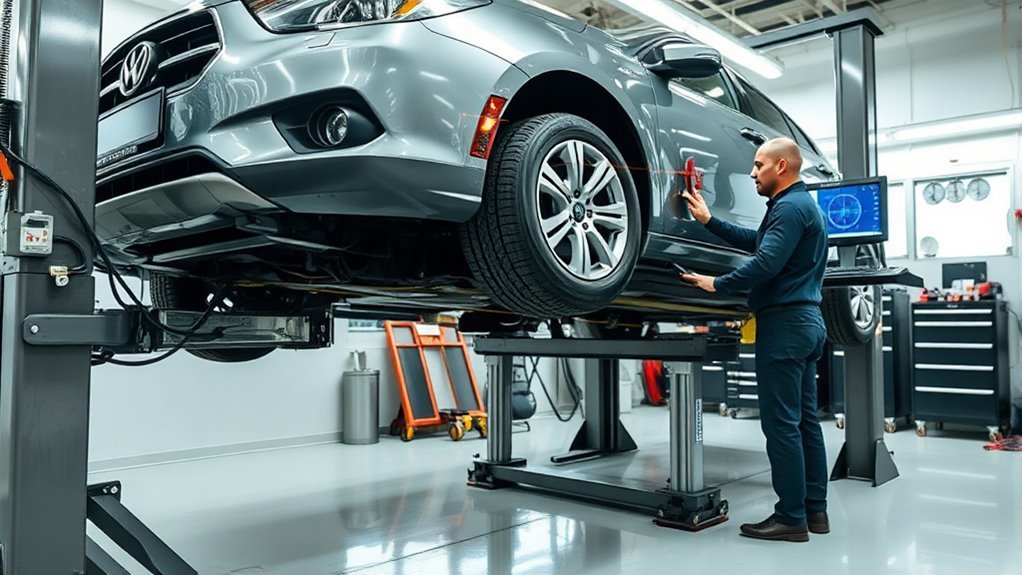
How Long Does It Take to Align Tires?
A tire alignment usually takes about 30 minutes to an hour, making it a quick and convenient shop visit.
Whether you need a front-end alignment or a four-wheel alignment, the process generally doesn’t take too long. Tire alignment is important to keep your vehicle driving smoothly and to prevent uneven tire wear.
If your vehicle only needs a routine correction, the work may be done pretty fast. But sometimes, worn suspension parts, rusted bolts, bent wheels, or other issues can add extra time. Front-end alignments usually go quicker than four-wheel alignments.
After the alignment is complete, you’ll usually get a final check or a short test drive to make sure everything feels right. There’s a bit more to know about the process, but this gives you a good idea of what to expect!
Key Takeaways
- Most tire alignments take about 30 minutes to an hour. Routine adjustments are usually quick; waiting for the appointment often takes longer than the service.
- A technician checks tires, suspension parts, and wheel angles before making adjustments. If everything looks good, they get right to work.
- Sometimes, worn parts, rusted bolts, or bent wheels can increase alignment time. That means it might take a bit longer than usual.
- At the end, a short test drive or final verification confirms the alignment is complete. This step makes sure your tires are perfectly aligned before you hit the road.
How Long Does a Tire Alignment Take?
A tire alignment usually takes about 30 minutes to an hour, but it can take longer if the shop needs to adjust worn or damaged suspension parts. You can usually expect a quick visit if your vehicle’s settings only need routine correction.
The technician will inspect your tires, measure the angles, and make precise adjustments to help your wheels sit properly. If you’ve scheduled an appointment, you’ll often spend more time waiting than the alignment itself takes.
You should also plan for a short test drive or final check after the adjustments. Overall, the process is fairly efficient, and you’ll likely get back on the road the same day with improved steering, better tire wear, and a smoother driving feel.
What Can Make a Tire Alignment Take Longer?
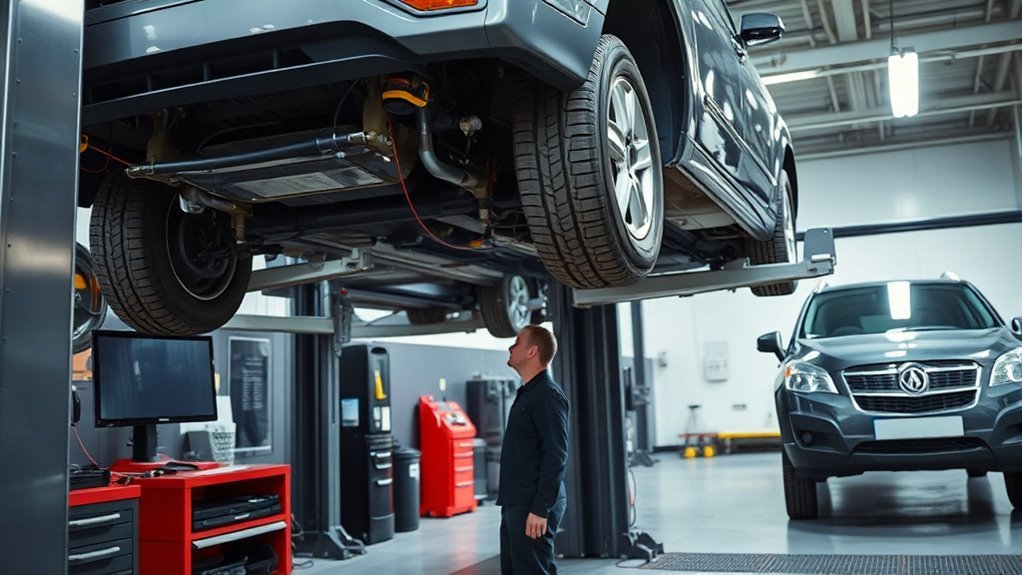
Several factors can make a tire alignment take longer, especially if the technician finds worn suspension parts, damaged steering components, or seized adjustment bolts during the inspection.
If your car has rusted hardware, the shop may need extra time to free and replace it before they can adjust anything.
Low tire pressure, uneven tread wear, or bent wheels can also slow the process because they affect readings and force additional checks.
- Corroded fasteners
- Worn suspension or steering parts
- Wheel damage or poor tire condition
You’ll also wait longer if the alignment rack is busy or the shop must perform repairs first.
The more issues your vehicle has, the more time the technician needs to get the angles back within spec and make sure the changes hold.
Front-End vs. Four-Wheel Alignment
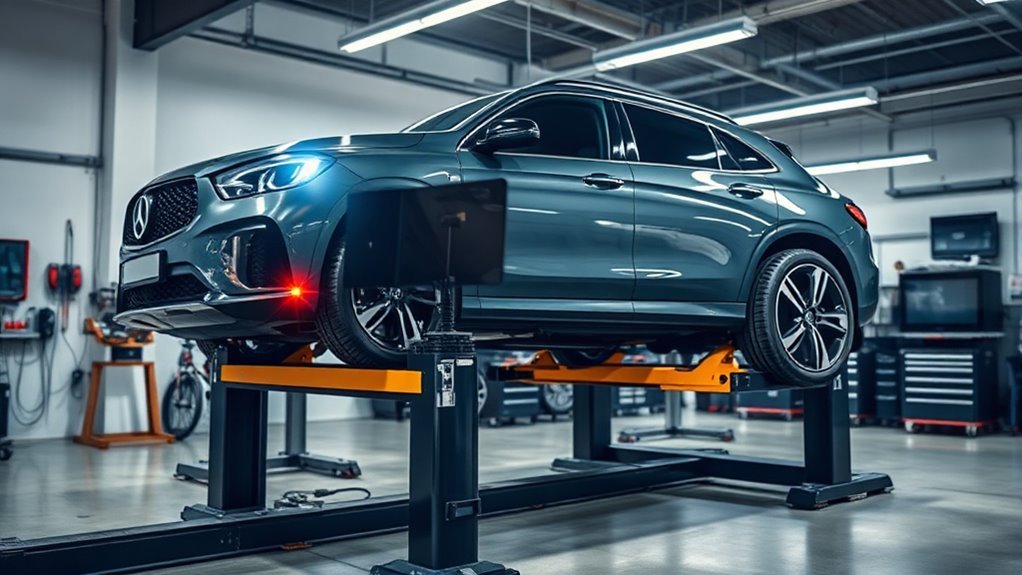
When you get a front-end alignment, the shop mainly adjusts the front wheels to help your steering stay straight.
A four-wheel alignment goes further by checking and setting all four wheels, which can take a bit longer.
The right choice depends on your vehicle, and that difference in scope can affect the time you’ll spend waiting.
Front-End Alignment Basics
If your car pulls to one side or the steering wheel sits off-center, you may need a front-end alignment, which adjusts only the front wheels’ angles. You’ll usually hear this called a basic alignment. It focuses on camber, caster, and toe so your tires track straight and wear evenly.
A technician checks suspension parts first, then makes precise adjustments to bring your front wheels back into spec. This helps you get better steering response and reduces uneven tire wear.
You can also spot suspension issues early. This service works best when your rear wheels stay within factory specs.
If you notice vibration, drifting, or rapid tread wear, book an inspection soon. Small corrections now can save tires, fuel, and frustration later on the road.
Four-Wheel Alignment Scope
A four-wheel alignment goes a step beyond a front-end alignment because it checks and adjusts all four wheels, not just the front pair. You’ll need this service if your vehicle has independent rear suspension, all-wheel drive, or rear angle issues that affect tracking.
During the process, a technician measures camber, caster, and toe at each corner, then makes corrections so your car rolls straight and handles predictably. You can think of it as a full stance check, not just a front axle tune-up.
If the rear wheels sit off, they can push the car sideways and force the front wheels to compensate. That’s why you shouldn’t assume a front-only adjustment fixes every alignment problem.
A complete four-wheel check helps keep your tires wearing evenly and your steering centered. It’s really about making sure everything works together smoothly for a safer, more comfortable ride.
Key Time Differences
Though both services can look similar from the outside, a front-end alignment usually takes less time because the technician only adjusts the front wheels. A four-wheel alignment requires measuring and correcting all four corners.
You’ll often spend about 30 to 45 minutes on a front-end job. But a four-wheel service can run 45 to 60 minutes or longer if your vehicle needs extra correction.
The difference comes down to setup, inspection, and adjustment steps.
- Front-end only: quicker because fewer angles change.
- Four-wheel service: slower because rear thrust and camber matter too.
- Vehicle condition: worn parts or seized bolts can add time.
If you want the fastest option, ask what your car actually needs before you book.
Signs Your Car Needs an Alignment
If you notice uneven tire wear, your alignment could be off and your tires may be wearing faster than they should. You might also feel your car pull to one side while you’re driving, even on a straight road.
Another common sign is an off-center steering wheel, which means your wheels aren’t pointing the way they should. It’s definitely something to check out before it causes bigger problems.
Uneven Tire Wear
Uneven tire wear often shows up before you notice any major handling problems, and it can be a clear sign your car needs an alignment. You might spot one edge wearing faster, feathered tread, or bald patches that don’t match the rest of the tire.
That uneven pattern means your wheels aren’t meeting the road at the right angles, so the tires scrub as you drive. Check for:
- More wear on the inside or outside edge
- Smooth spots or cupping across the tread
- One tire wearing faster than the others
If you catch these signs early, you can fix the alignment before the damage spreads. Don’t wait until the tires need replacing, because a quick inspection now can save you money and improve tire life. It’s definitely worth a look!
Steering Wheel Pull
A steering wheel that pulls to one side is another common sign your car may need an alignment. When you let go briefly on a straight road, you may notice your car drifts left or right instead of tracking smoothly.
That pull often means your wheels aren’t set to the correct angles, so your tires fight each other as you drive. You might also feel the car work harder to stay straight, which can make driving tiring and less stable.
Don’t ignore this symptom, because it can wear your tires faster and affect handling. If you notice consistent pulling, schedule an alignment check soon so a technician can inspect your suspension and steering components and correct the issue before it gets worse.
Off-Center Steering
Another sign of alignment trouble is an off-center steering wheel. When you drive straight, the wheel should sit level, not tilted left or right.
If you notice it’s crooked, your tires may be pointed in slightly different directions. That can wear them unevenly and make handling feel sloppy.
Check these clues:
- You keep correcting a straight road.
- The badge on the wheel doesn’t line up.
- Your car feels stable, but the wheel looks wrong.
Don’t ignore it just because the car still drives fine. A quick alignment can restore proper steering response, improve tire life, and help you feel confident behind the wheel again.
If the wheel stays off-center after a pothole or curb hit, schedule service soon.
What Happens During a Wheel Alignment?
During a wheel alignment, a technician checks and adjusts your vehicle’s suspension angles so the tires meet the road correctly. You’ll usually start with the car on a lift or alignment rack, where sensors or targets track wheel position.
The technician measures camber, caster, and toe, then compares those readings with factory specs. If anything sits outside the range, they loosen suspension components and make precise adjustments. You may hear tools moving, but the process stays controlled and exact.
After each change, the system gets rechecked to confirm the angles now match the recommended settings. Once everything lines up, the technician tightens the hardware and may test-drive the vehicle to verify straight tracking and stable steering response.
How to Save Time at the Shop
Once your alignment is complete, you can cut down your total shop time by showing up prepared. Bring your keys, have your tire size handy, and know whether you need a basic check or a full alignment.
You’ll help the tech start faster when you mention pulling, steering wheel drift, or recent suspension work.
- Book ahead and ask for the slowest time.
- Remove cargo from your trunk so the shop can work quickly.
- Share any symptoms before the car goes on the rack.
If you’re waiting on another service, ask the advisor to bundle it with the alignment. That way, you won’t have to come back for a second visit.
Clear communication saves minutes, and those minutes really add up when you’re trying to get back on the road.
Frequently Asked Questions
How Often Should Tires Be Aligned?
You should align your tires every 6,000 to 10,000 miles, or about once a year.
If you hit potholes, curb impacts, or notice uneven wear, you’ll want to schedule an alignment sooner. It’s better to be safe than sorry when it comes to your tires.
Can I Drive After Hitting a Pothole?
Yes, you can drive after hitting a pothole, but you should inspect your tires, wheels, and steering right away.
If you notice vibration, pulling, or a flat, you’ll need repairs before driving much farther.
Better to be safe and check things out sooner rather than later!
Does Tire Size Affect Alignment Time?
Yes, tire size can affect alignment time, like a costume change before the show.
You’ll need extra setup for larger or unusual tires, but most standard sizes won’t add much time beyond a normal alignment.
Will Alignment Fix Steering Wheel Vibration?
An alignment might reduce steering wheel vibration if misalignment caused it, but you’ll still need to check tire balance, suspension, and worn parts.
You can’t fix every vibration with alignment alone, unfortunately. Sometimes, there’s more going on under the hood. So, it’s a good idea to look at all the possible causes.
Can a Bad Alignment Damage Tires Quickly?
Yes, bad alignment can wear your tires fast, especially on the edges. You’ll notice uneven tread, pulling, and noise.
If you keep driving like that, you can ruin tires much sooner than normal. It’s definitely something you want to fix before it gets worse.
Conclusion
So, when you ask how long it takes to align tires, you usually won’t be waiting long—often just about an hour. But if your suspension is worn or your adjustments are stubborn, it can take longer.
Don’t ignore the signs, because uneven wear can turn your car into a clunky relic from another era. Get your alignment checked promptly, and you’ll save time, money, and a lot of hassle down the road.
Tire alignment is a quick process in most cases, but the key is not to delay it. Regular wheel alignment keeps your tires wearing evenly, improves fuel efficiency, and enhances driving safety. So, if you notice your car pulling to one side or uneven tire wear, get your tires aligned as soon as possible. This simple maintenance can prevent costly repairs and keep your vehicle running smoothly for years to come.