How Long Does Tire Alignment Take?
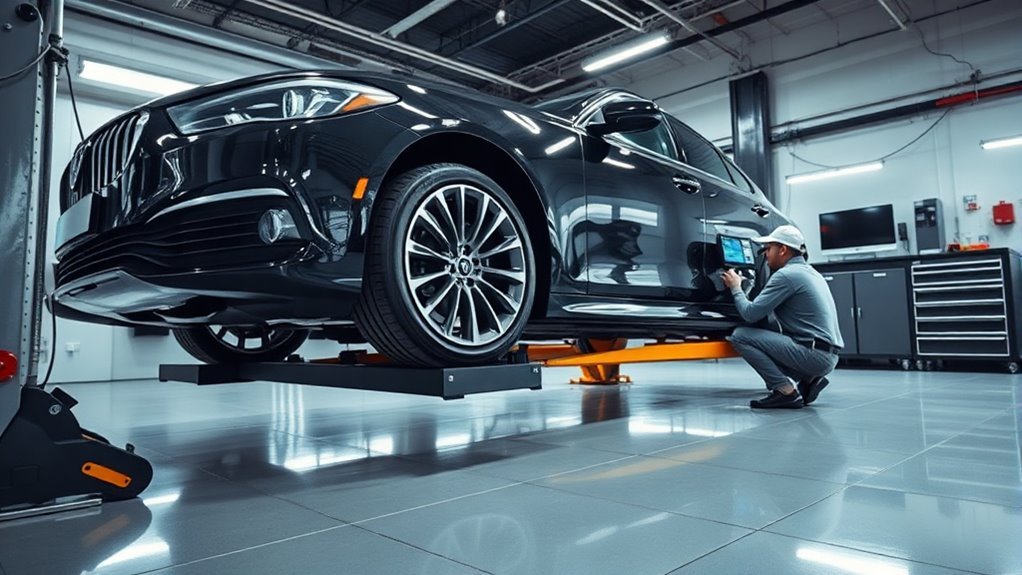
A tire alignment usually takes 30 minutes to an hour, and a front-end alignment often falls in that same range.
This process is essential for maintaining proper tire wear, improving fuel efficiency, and ensuring your vehicle handles correctly. Getting your wheels aligned can save you money in the long run and keep your driving smooth and safe.
You can expect it to take longer if your suspension or steering parts are worn, if the wheels are badly out of spec, or if the shop has tight access points.
Modern equipment helps speed things up, and a quick test drive may follow. If you keep going, you’ll see what affects the timing most.
Key Takeaways
- Most standard tire alignments take about 30 minutes to an hour. Front-end alignments usually take 30 to 60 minutes.
- If there are repairs needed to suspension or steering parts, the job can take much longer.
- Sometimes, badly out-of-spec wheels, tight access, or older equipment can also add time.
- Usually, a test drive and rechecks are done to make sure the alignment is spot on.
How Long an Alignment Usually Takes

How long an alignment takes usually depends on the vehicle and the shop’s equipment, but you can expect most standard alignments to take about 30 minutes to an hour.
Most standard alignments take about 30 minutes to an hour, depending on the vehicle and equipment.
You’ll usually spend that time while a technician checks your wheel angles, makes the needed adjustments, and confirms everything lines up properly.
If you’ve scheduled a routine service, you often won’t need to leave your car all day. You can wait at the shop, grab a quick errand, or plan a short break nearby.
A good alignment should feel quick, focused, and straightforward.
When the work finishes, you’ll notice steadier handling and more even tire wear. So, the time you spend now can help you avoid bigger problems later.
What Affects Tire Alignment Time?
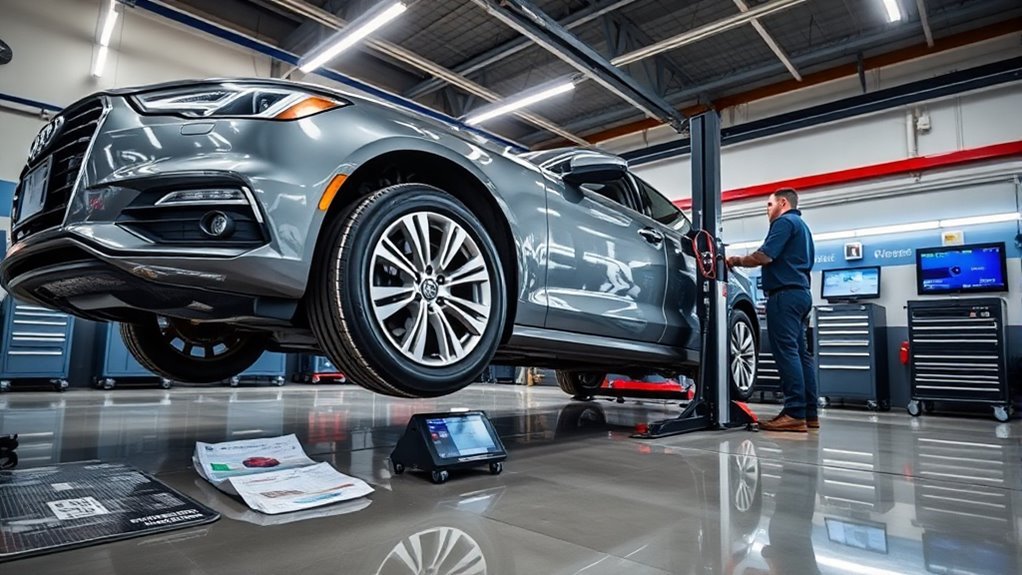
Several factors can change how long a tire alignment takes, including your vehicle type, the condition of the suspension and steering parts, and the shop’s equipment. If you drive a car with a simple suspension, the process usually goes faster than it does on trucks, SUVs, or vehicles with adjustable rear settings.
Worn tie rods, ball joints, or bushings can slow things down because the technician has to get the angles right before making final adjustments. Your alignment can also take longer if the shop is busy or uses older tools instead of computerized systems.
Even wheel size and previous alignment settings can affect the time. If everything’s in good shape, you’ll likely be in and out fairly quickly, but a complicated setup can add extra minutes.
When Alignment Problems Need Repairs
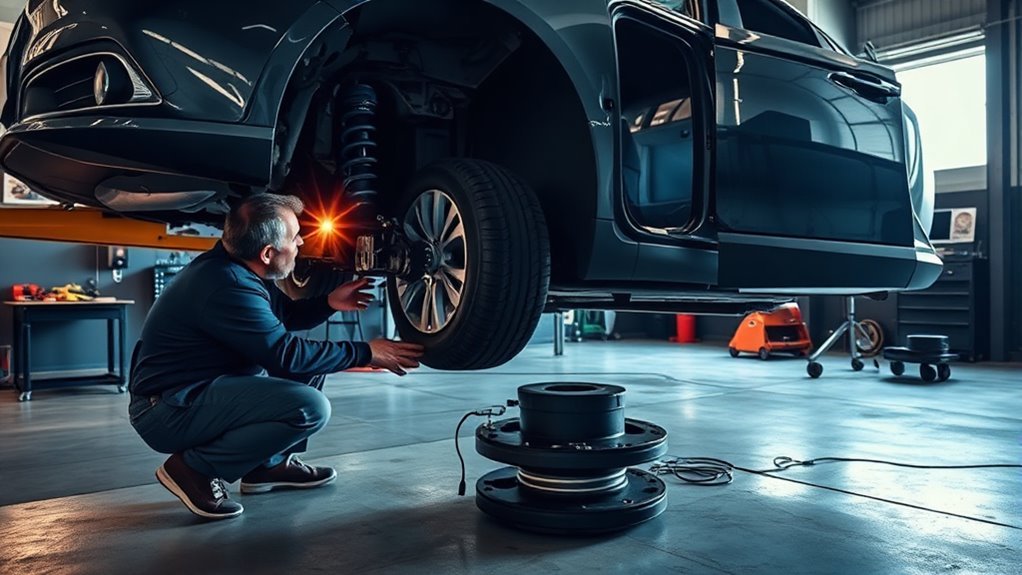
If you notice uneven tire wear, your alignment likely needs repair. If your car pulls to one side while you drive, don’t ignore it.
You should also have the suspension checked for damage, since worn parts can throw your alignment off. It’s better to catch these issues early to avoid bigger problems down the road.
Uneven Tire Wear
Uneven tire wear often signals that your alignment needs attention, especially when one edge of a tire wears faster than the rest or the tread looks patchy from wheel to wheel. You can spot the issue during routine checks by comparing tire depth across the surface and looking for feathering, cupping, or bald spots.
When alignment angles drift, your tires scrub against the road instead of rolling evenly, which shortens their life and hurts traction. If you catch the wear early, you may only need an alignment and a tire rotation.
If you keep driving, though, you’ll likely need replacement tires sooner. Don’t wait until the damage spreads; fixing alignment problems now helps you protect your tires, improve handling, and avoid extra repair costs.
Steering Pull Signs
A steering wheel that drifts to one side on a straight road is a clear sign your alignment may need repair. You might also feel the car tug left or right even when you hold the wheel steady.
That pull usually shows up after you hit a curb, pothole, or rough patch of road. If you keep correcting the wheel to stay centered, don’t ignore it.
Alignment issues can make driving tiring and less predictable, especially at highway speeds. You may notice the vehicle tracks straight only when you grip the wheel off-center.
When that happens, schedule service soon. A quick alignment check can confirm whether your wheels need adjustment and help restore smooth, straight tracking before the problem worsens.
Suspension Damage Checks
Steering pull can also point to worn or damaged suspension parts, not just bad alignment. When you get an alignment, ask the shop to inspect tie rods, ball joints, bushings, and struts.
If these parts wear out, they can shift your wheels and keep the car from holding alignment. You might notice clunks, uneven tire wear, or a loose steering feel. Don’t ignore those signs, because an alignment alone won’t fix hidden damage.
| Part | What You Notice | Why It Matters |
|---|---|---|
| Tie rods | Play or wandering | Affects steering control |
| Ball joints | Clunks over bumps | Changes wheel position |
| Bushings | Vibration or drift | Lets suspension move too much |
If the mechanic finds damage, repair it first. Then your alignment will last longer and your ride will feel steadier.
How Long Front-End Alignment Takes
A front-end alignment usually takes about 30 to 60 minutes, though the exact time depends on your vehicle, the shop’s equipment, and whether any suspension parts need adjustment or replacement.
You’ll usually spend less time waiting if the shop has modern alignment machines and an experienced technician. If your wheels are badly out of spec, the process can take longer because the tech needs extra time to set angles correctly.
You may also wait longer if your vehicle has tight access points or aftermarket parts. Even so, a standard front-end alignment is typically a quick service, and you can often get back on the road the same day.
To save time, call ahead, ask about scheduling, and mention any steering or tire wear issues upfront. It’s a simple step that can make the whole process smoother.
What Happens During a Tire Alignment
During a tire alignment, the technician checks and adjusts the angles of your wheels so they meet the manufacturer’s specs. You’ll usually start with a visual inspection of your tires, suspension parts, and steering components to spot wear, damage, or looseness.
Next, the shop mounts sensors or clamps to your wheels and connects them to alignment equipment. The machine measures camber, caster, and toe, then compares those readings with factory settings.
If anything’s off, the technician makes precise adjustments to bring each wheel back into range. After that, they recheck the measurements to confirm everything’s accurate.
Sometimes, they’ll also take your vehicle for a test drive. This helps make sure it tracks straight, the steering wheel sits centered, and the tires wear evenly over time.
How to Speed Up Your Appointment
You can trim your tire alignment appointment by showing up prepared. Remove heavy cargo from your trunk, and leave a clear path to each wheel so the technician can work fast.
Bring your keys, check-in info, and any service notes, including steering pull or uneven tire wear. If you’ve recently hit a pothole or curb, tell the shop up front so they can inspect the right areas first.
Schedule ahead, arrive a few minutes early, and choose a shop with modern alignment equipment. Ask whether they need a tire pressure check before starting, since low pressure can slow things down.
If your vehicle needs suspension repairs, let them know before the appointment so they can plan the next steps without wasting time.
Frequently Asked Questions
Do I Need an Alignment After Replacing Tires?
Usually, you don’t need an alignment just because you replaced tires, but you should get one if you notice uneven wear, pulling, vibration, or your vehicle’s alignment hasn’t been checked recently.
It’s kind of like a tune-up for your wheels. If something feels off, better safe than sorry, right? Getting an alignment can save you money in the long run by preventing uneven tire wear.
Can Bad Shocks Affect Wheel Alignment?
Yes, bad shocks can affect wheel alignment because you’ll get extra bounce, uneven tire wear, and poor handling.
You should inspect the shocks and alignment together since worn suspension parts can throw your wheels out of spec.
It’s a good idea to check both at the same time to keep your ride smooth and safe.
How Often Should Tire Alignment Be Checked?
Like a compass in a storm, you should check your tire alignment every 6,000 to 10,000 miles, or at least once a year.
It’s also a good idea to get it inspected after you hit a pothole or curb.
Plus, if you’ve had any suspension work done, or if you notice uneven tire wear, don’t wait—get your alignment checked.
Will Alignment Fix Uneven Tire Wear?
Yes, alignment can help stop uneven tire wear if you catch it early.
You should still inspect the tires, because worn, damaged, or improperly inflated tires won’t fully recover after you correct the alignment.
Does Alignment Improve Fuel Economy?
Yes, alignment can improve your fuel economy because your tires roll straighter and drag less. You’ll save fuel when you keep alignment within spec, especially if your wheels were noticeably misaligned before.
It’s pretty simple—when your wheels aren’t aligned right, your car has to work harder to move forward. Fixing that alignment means less resistance and better gas mileage. So, keeping your wheels properly aligned is definitely worth it!
Conclusion
If you’re wondering how long a tire alignment takes, the answer is usually just 30 to 60 minutes. However, keep in mind that repairs can add extra time.
Here’s a surprising stat: even a small misalignment can reduce tire life by up to 25%. That means you could be throwing away money without even noticing.
So, don’t wait if your car pulls to one side, vibrates, or wears tires unevenly. A quick alignment today can save you from stress and extra expenses down the road.
Getting a tire alignment done on time not only extends your tire life but also improves your vehicle’s handling and safety. Remember, a proper tire alignment can save you money and make your driving experience smoother and safer. So, if you want to keep your car in top shape, schedule a tire alignment—it usually takes less than an hour and is well worth it!