How Long Do Car Tires Last?
Car tires usually last 3 to 5 years, or about 50,000 to 60,000 miles, but your results can vary a lot. How long tires last depends on several factors like driving habits and maintenance. Proper inflation, regular rotation, and calm driving can help you get the most out of your tires.
On the other hand, hard braking, overloading, potholes, and low pressure can wear them out faster. Even if the tread still looks okay, tire age matters for safety. So, it’s important to keep an eye on both tread depth and tire age.
Keep going to see what else affects wear and when replacement makes sense. Understanding these factors will help you stay safe and get the best value from your tires.
Key Takeaways
- Car tires typically last 3–5 years or about 50,000–60,000 miles, depending on your driving habits and how well you maintain them.
- If you drive mostly on highways and keep up with maintenance, your tires usually last longer than if you take a lot of short trips or drive harshly.
- Things like underinflation, overloading, hitting potholes, and aggressive braking or cornering can wear out your tires much faster.
- You should replace your tires when the tread depth falls below 2/32 inch. Also, watch out for cracks, bulges, cuts, or uneven wear.
- Even if your tread looks good, many experts suggest replacing tires after about six years. And it’s best not to keep them for more than ten years.
How Long Do Car Tires Last?
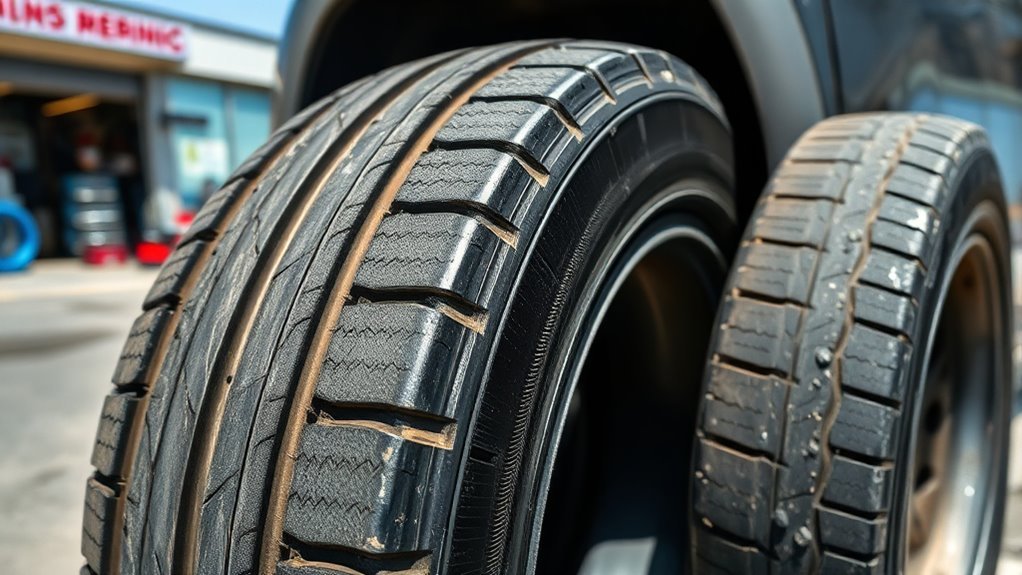
Car tires usually last between 3 and 5 years, or about 50,000 to 60,000 miles, but their true lifespan depends on driving habits, road conditions, maintenance, and the tire itself.
You can stretch that range by rotating tires on schedule, keeping them properly inflated, and aligning your wheels when needed.
Tread wear tells you a lot, so check it regularly for uneven wear, cracks, bulges, or shallow depth.
If you drive mostly on highways, you may see longer life than someone who makes frequent short trips.
Even if the tread looks fine, age still matters because rubber breaks down over time.
Review the sidewall date code, and replace tires when they’re too old, not just when they’re worn.
What Shortens Car Tire Life the Fastest?
Underinflation wears your tires down fast because it increases heat and uneven tread wear.
Aggressive driving, like hard braking and quick cornering, also eats away at tire life.
If you want your tires to last longer, you’ve got to keep them properly inflated and drive more smoothly.
Underinflation
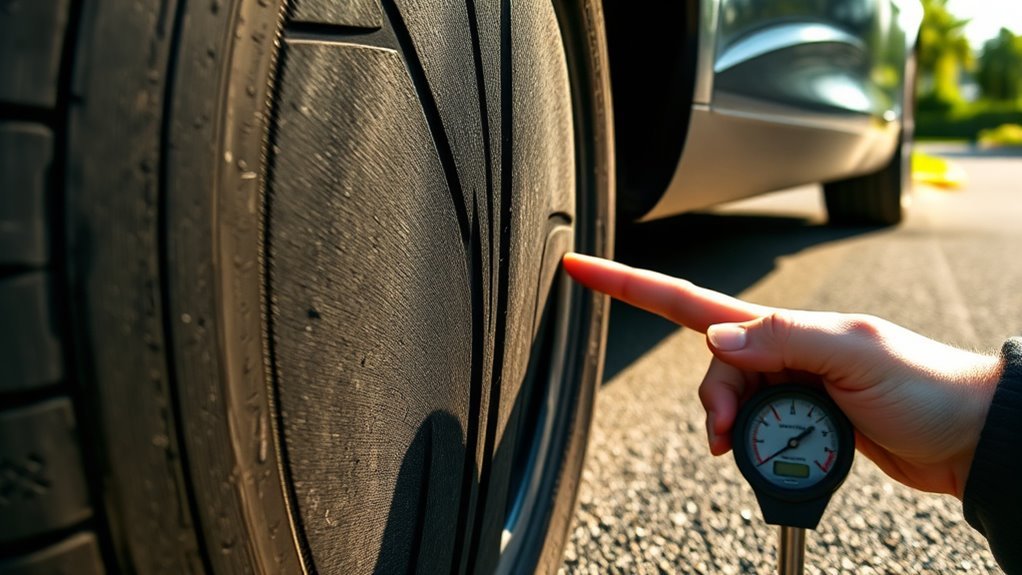
Even a little low on air, your tires wear out faster because the sidewalls flex more, heat builds up, and the tread scrubs the road instead of rolling smoothly. That extra flex weakens the rubber and can wear the outer edges of the tread much sooner than normal.
You also lose fuel economy because the engine has to work harder to move the car. Check tire pressure at least once a month and before long trips, using the recommended PSI on your door placard, not the number on the tire sidewall.
Don’t forget to check all four tires, including the spare if it’s full-size. Keeping them properly inflated helps your tires last longer, ride better, and stay safer in everyday driving.
Aggressive Driving
Hard braking, rapid acceleration, and taking corners too fast can chew through tire tread much faster than normal driving. When you drive aggressively, you force your tires to scrub, heat up, and wear unevenly.
So, they won’t last as long as they should.
- Slam on the brakes, and you’ll flatten tread quickly.
- Punch the gas, and you spin away usable rubber.
- Corner hard, and you stress the outer edges.
- Speed often, and you increase heat and wear.
If you want longer tire life, smooth out your driving. Ease into stops, accelerate gently, and slow down before turns.
That way, you keep your tires cooler, reduce stress, and get more miles from every set.
How Can You Tell Car Tires Are Wearing Out?
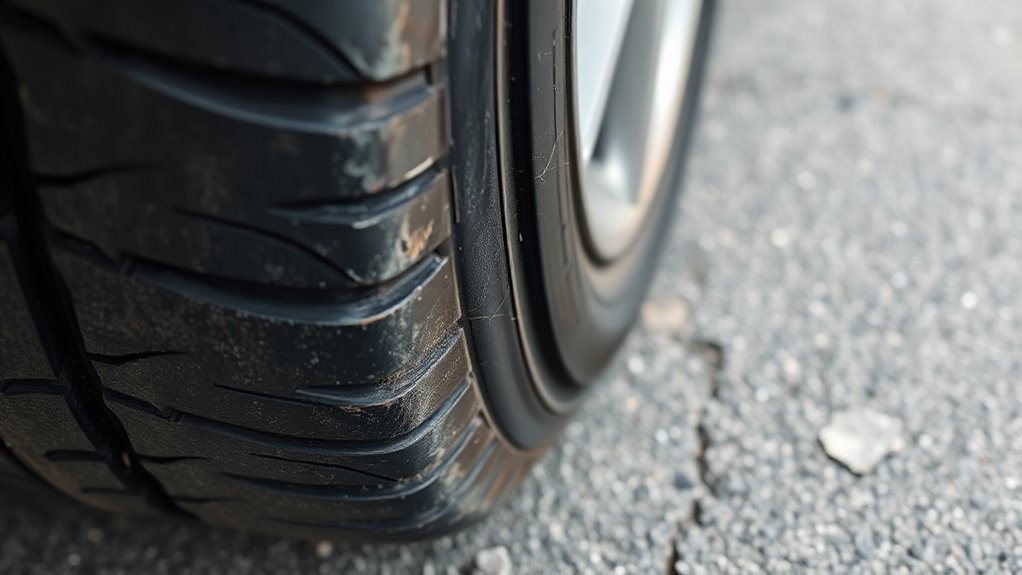
You can usually spot worn tires by looking for a few clear warning signs: shallow tread, uneven wear, cracks in the sidewall, or bulges and blisters that shouldn’t be there. You can check tread depth with a coin or tread gauge; if the grooves look nearly flat, your grip is fading.
Pay attention to vibration, noise, or a steering wheel that feels off, since those clues often point to tire wear. Look closely across the tire surface for bald spots, feathering, or cords showing through.
Also inspect all four tires, because wear patterns can differ from one tire to another. If one edge looks more worn than the rest, your tires need attention from a professional soon.
When Should You Replace Car Tires?
Once you’ve spotted worn tread, cracks, or uneven wear, it’s time to think about replacement. You should also replace your tires if you feel vibration, notice longer stopping distances, or see damage from potholes or curbs.
Don’t wait for a blowout; tires that look “okay” can still be unsafe.
- Tread depth drops below 2/32 inch
- Sidewalls show cuts, bulges, or cracking
- Wear appears in one edge or the center
- Tires are too old, even if tread remains
Check your tires regularly and act quickly when these signs appear. A fresh set gives you better grip, shorter braking, and more control in rain or heat.
If you’re unsure, ask a trusted tire shop to inspect them before you keep driving.
How Can You Make Car Tires Last Longer?
Keeping your tires in good shape starts with a few simple habits that slow wear and help them last longer. Check tire pressure at least once a month and keep it at the level your owner’s manual recommends.
Rotate your tires on schedule so each one wears evenly. Keep your wheels aligned if the car pulls, steers oddly, or the tread wears unevenly.
Drive smoothly, because hard braking, fast cornering, and aggressive acceleration scrub rubber away faster. Avoid overloading your vehicle, since extra weight strains the tires and shortens their life.
Inspect the tread and sidewalls often, and remove small stones or debris before they cause damage. Finally, store seasonal tires in a cool, dry place away from sunlight when they’re off the car.
How Does Tire Age Affect Safety?
Even if your tires still have tread, age can make them less safe. Rubber hardens over time, so your tires grip less and react slower in rain, heat, and sudden braking.
Tiny cracks may form inside and outside the sidewall, weakening the structure even when you can’t spot a problem right away. If you drive on old tires, you raise your risk of blowouts and longer stopping distances.
- Check the DOT date code.
- Inspect for cracking or bulges.
- Watch for vibration or uneven wear.
- Replace tires that are old, even with tread left.
Many experts recommend replacing tires around six years, and you shouldn’t keep them past ten years. If you’re unsure, ask a trusted mechanic to inspect them.
Frequently Asked Questions
Do Different Tire Brands Last Longer Than Others?
Yes, some brands last longer because you’ll find differences in rubber compounds, tread design, and warranties. You should compare treadwear ratings and reviews.
But driving habits and maintenance matter just as much, too. So, it’s not just about the brand—you’ve got to take care of your tires as well.
Can Tire Pressure Monitoring Systems Extend Tire Life?
Yes—TPMS can help you catch underinflation early, so you can fix it before it wears tires unevenly.
But it won’t extend life by itself; you’ve still got to check pressure regularly and rotate tires.
How Often Should Tires Be Rotated?
You should rotate your tires every 5,000 to 7,500 miles, or about every oil change. This keeps wear even and helps them age gracefully.
Plus, it lets you enjoy smoother, safer driving for longer. Keeping up with tire rotation is a simple way to take good care of your ride.
Do Seasonal Tires Wear Out Faster?
Yes, seasonal tires can wear out faster if you use them year-round. You’ll wear softer compounds quicker in warm weather, and you’ll stress them more in extreme temperatures.
Are Run-Flat Tires Less Durable Than Regular Tires?
Yes, you’ll often find run-flat tires wear a bit faster than regular tires because they’re stiffer and heavier. You’ll trade some durability for added safety.
But don’t forget, your driving habits and how well you maintain your tires still matter the most. Taking good care of them can help you get the best performance, no matter which type you choose.
Conclusion
Your tires carry you mile after mile, but they won’t last forever. As tread thins and rubber hardens, your grip fades like footprints in wet sand. Watch for cracks, bulges, and shallow tread.
Don’t wait until the road feels slippery under you. With proper inflation, rotation, and careful driving, you can help them last longer. It’s all about staying ahead of wear and tear.
Stay alert and replace your tires on time to keep every drive smoother and safer. Regular tire maintenance extends their life, saves money, and boosts your vehicle’s performance. Remember, knowing how long car tires last can make all the difference in your safety and comfort on the road.