How Long Can I Drive on a Spare Tire?
How long you can drive on a spare tire depends on the type you have. Spare tires come in different styles, and each one has its own limits.
For example, a full-size spare can usually handle normal driving for a while. But even then, you should replace the damaged tire as soon as possible to stay safe.
On the other hand, a compact donut spare is meant for emergency use only. It’s designed for low speeds and the shortest practical distance. Driving too long on a donut can affect your car’s handling and safety.
So, it’s really important to check your owner’s manual for exact limits. That way, you’ll know how to use your spare tire properly and avoid any trouble on the road.
Key Takeaways
- Full-size spares can usually be driven normally for a short time, but you should replace the damaged tire soon. It’s not meant for long-term use.
- Compact donut spares are for emergencies only. Use them for the shortest distance possible.
- Most compact spares have a speed limit of about 50 mph. It’s safer to go slower, especially on curves, wet roads, or rough pavement.
- Avoid long trips, hard braking, and quick lane changes. Using a spare for too long can increase wear, heat, and handling risks.
- Always check your owner’s manual for exact limits. And make sure to replace any spare that’s worn, cracked, or old before using it.
How Far Can You Drive on a Spare Tire?
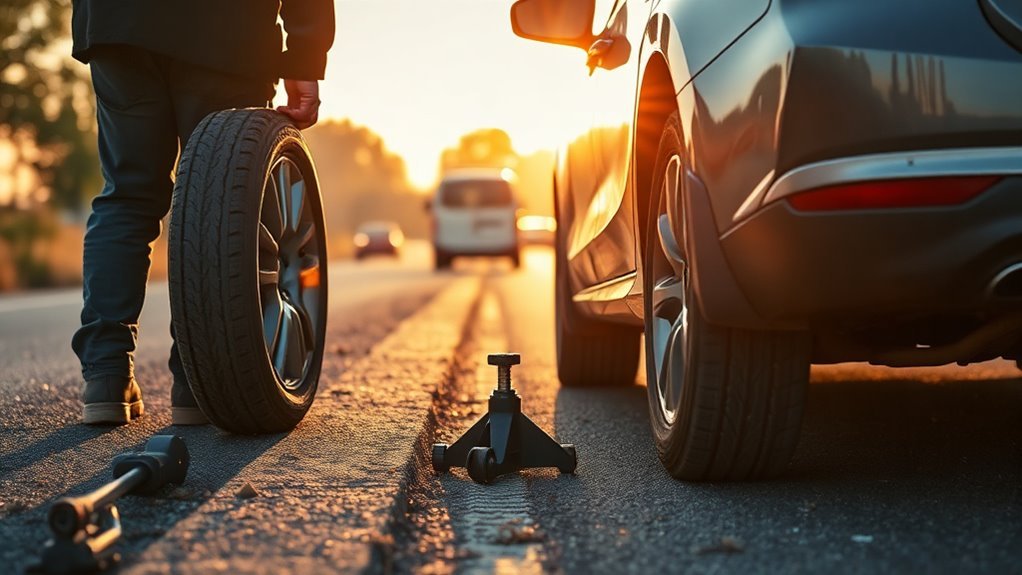
How far you can drive on a spare tire depends on the type of spare you have, but the answer is usually not very far. If you’ve got a full-size spare, you can usually drive normally for a while. Still, you should replace the damaged tire soon.
If you’re using a compact temporary spare, limit your trip to the shortest practical distance. These tires are made for emergency use, not everyday driving. You should head straight to a repair shop or tire dealer as soon as possible and avoid unnecessary detours.
Check your owner’s manual for your vehicle’s exact limits, because every spare differs. Driving beyond those limits can damage your car, reduce handling, and leave you stranded again. So, it’s best to play it safe and get that tire fixed quickly.
How Fast Can You Drive on a Spare Tire?
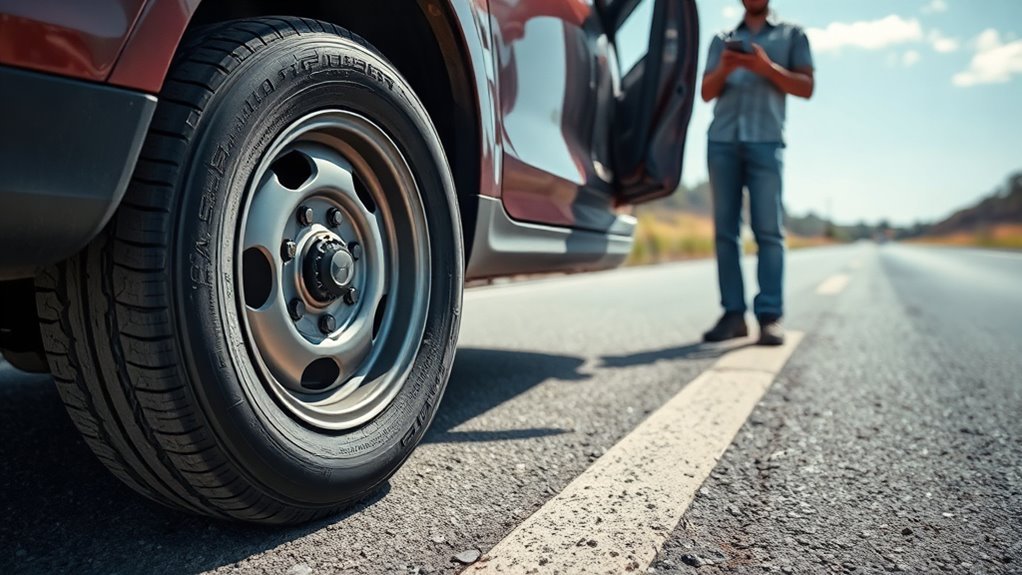
The safe speed on a spare tire depends on the type you’re using, but compact temporary spares usually come with a strict limit of 50 mph. If you push past that, you increase heat, reduce grip, and risk damage or blowout. You should treat the spare like a get-you-home tool, not a normal tire.
Compact temporary spares usually max out at 50 mph—treat them as get-you-home tires, not everyday ones.
Keep your speed at or below the posted limit on the spare. Slow down even more on curves, wet roads, and rough pavement.
Avoid hard braking and quick lane changes. These can put extra stress on the spare.
Replace the spare with a proper tire as soon as you can. Don’t rely on the spare for longer than necessary.
When you’re unsure, just drive conservatively. And always check the sidewall or your owner’s manual for the exact speed limit.
What Type of Spare Tire Is in Your Car?
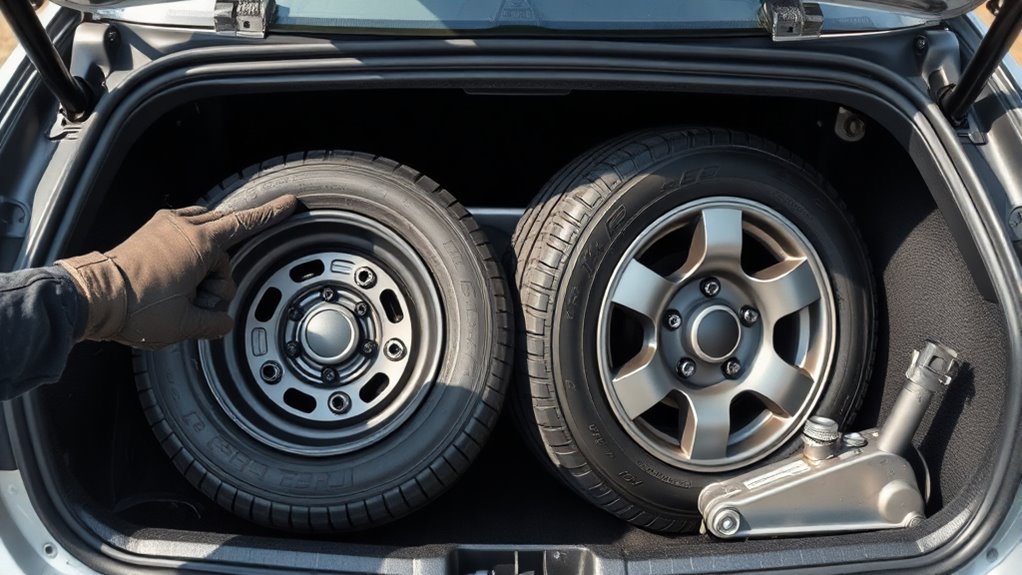
Knowing the speed limit on a spare tire is only part of the picture, because the type of spare in your car tells you how to use it. You might have a full-size spare, which matches your regular tires and lets you drive more normally.
Or, you might have a compact “donut,” which saves space and weight but needs more caution. Some vehicles use run-flat tires instead of a separate spare, so check your owner’s manual before you assume you’re covered.
Look at the sidewall, trunk compartment, or underbody storage area to identify what you’ve got. If you can’t tell, check the tire label or ask a dealer.
Knowing the exact spare helps you follow the right limits, set your route, and avoid surprises when you need it most.
What Happens If You Drive Too Long on a Spare Tire?
Driving too long on a spare tire can quickly turn a temporary fix into a bigger problem. You’ll usually feel the car handle differently, and that change can make driving less safe.
A spare tire isn’t built for long trips, so pushing it can cause problems like faster tread wear, poor braking response, reduced traction in rain, and extra stress on your wheel.
You might also notice more vibration or a louder ride, which means the tire’s limits are showing. If you keep driving, you risk damaging nearby parts and losing control in an emergency.
When Should You Replace Your Spare Tire?
If your spare has already handled a roadside emergency, it’s worth checking its condition right away. Replace it when it shows signs of wear, cracking, bulges, or tread loss.
You should also replace it if it’s older than six to ten years, even if it looks fine. Rubber ages and weakens over time, so don’t just rely on how it looks.
Check the sidewall date code to confirm its age, and inspect the valve stem and wheel for damage. If the tire sits in your trunk or under your vehicle, make sure moisture, heat, and debris haven’t harmed it.
Don’t wait until you need it again to find out it’s unsafe. A spare tire is only reliable when you keep it properly inflated, inspected, and ready for immediate use.
How to Handle a Flat Tire Until Help Arrives
First, you should secure the vehicle by pulling over safely, turning on your hazard lights, and setting the parking brake.
Then, use your emergency supplies, like reflective triangles, a flashlight, and a phone charger, to stay visible and prepared.
While you wait for help, stay inside or near the car only if it’s safe and keep an eye on traffic.
Secure The Vehicle
Pull completely off the road, turn on your hazard lights, and set the parking brake so the car stays put. If you’re on a slope, angle the wheels away from traffic so the vehicle can’t roll.
Stay calm and keep everyone inside until you’re in a safe spot. Don’t move the car again unless you really need to clear a dangerous lane.
While you wait for help, focus on making the vehicle easy to see and hard to disturb.
- Shift into park and confirm the brake holds.
- Keep the steering wheel straight if you’ve stopped on level ground.
- Avoid opening doors into traffic.
- Watch nearby cars and stay clear of the roadway.
Securing the car helps protect you, your passengers, and passing drivers until help arrives.
Use Emergency Supplies
Gather your emergency supplies before you touch the tire, because having the right tools close at hand makes the job safer and faster. Keep a flashlight, gloves, reflective triangles, a tire gauge, and your jack within reach.
If you’ve got roadside flares, set them out to warn other drivers. Use your phone to call for help, check your location, and stay updated on tow arrival times.
Keep water in the car, especially in hot or cold weather, so you can stay comfortable while you wait. If you need to change the tire yourself, follow your owner’s manual and use the spare only long enough to reach a repair shop.
Don’t rush. Good emergency supplies help you stay visible, calm, and prepared until assistance arrives.
Frequently Asked Questions
Can I Use a Spare Tire in Snow or Rain?
Yes, you can, but you shouldn’t drive fast or far. Your spare may have less traction, so you’ll want to steer gently and brake early.
It’s important to replace it with a proper tire soon. Just take it easy until then!
Do Spare Tires Affect Fuel Economy?
Like a heavy backpack, a spare tire can hurt your fuel economy. You’ll usually burn more gas because it’s heavier and sometimes narrower.
Keep driving gently, and replace it promptly for better efficiency. It really helps to swap it out as soon as you can.
Can I Rotate a Spare Tire With Regular Tires?
You can’t usually rotate a spare tire with your regular tires, because many spares aren’t meant for normal use.
If yours matches size and type, you can include it, but check your owner’s manual first. It’s always a good idea to be sure before mixing them up.
Will My Car’s Sensors Work With a Spare Tire?
Yes, your car’s sensors usually work with a spare tire, but they may trigger warnings if the spare’s size or pressure differs.
You’ll want to check tire pressure monitoring and ABS alerts after installation. It’s pretty common for the system to notice something’s different. Just keep an eye on those alerts to stay safe.
Is It Safe to Drive on a Spare Tire at Night?
Moonlit roads don’t make a spare safer. You can drive at night, but keep speed low and avoid long trips.
Make sure to head straight to get your tire repaired. Darkness hides trouble, so your temporary tire deserves extra caution.
Conclusion
A spare tire is more than a temporary fix—it’s a small lifeline that keeps you moving when the road throws you a curve. You can drive on it, but only for a short distance and at a careful speed. Treat it like a bridge, not a destination.
Check your spare often and replace it when needed. Getting your full-size tire repaired fast is key to staying safe on the road.
Driving on a spare tire is meant to be a short-term solution. It’s best to limit your speed and distance to avoid damage or accidents. Remember, your spare tire isn’t designed for long trips—it’s there to get you home or to a repair shop safely.
In conclusion, knowing how long you can drive on a spare tire helps you avoid trouble. Always keep an eye on your spare’s condition and use it wisely. This way, you’re not just rolling forward—you’re driving safely home, minimizing risks until your regular tire is fixed.