How Often Do You Need to Rotate Tires?
You should rotate your tires every 5,000 to 7,500 miles to keep them wearing evenly and extend their life. Tire rotation is an important part of regular vehicle maintenance that helps improve safety and performance. The right timing depends on your vehicle type, the kind of tires you have, and how you drive.
If you mostly drive on highways, you can usually wait longer between rotations. But if you tow heavy loads, carry extra weight, hit rough roads, or tend to brake and corner hard, it’s best to rotate them sooner. Different drive systems—front-wheel drive, rear-wheel drive, and AWD—wear tires in different ways, so checking your owner’s manual is always a good idea.
Also, keep an eye out for signs of uneven wear or other issues that might mean you need to adjust your rotation schedule. These tips can help you fine-tune when to rotate your tires for the best results.
Key Takeaways
- Rotate tires every 5,000 to 7,500 miles, or follow your owner’s manual for the exact interval. It really depends on your driving habits and conditions.
- If you mostly drive on highways, you might be able to wait longer between rotations. But if you deal with rough roads, tow heavy loads, or do a lot of stop-and-go driving, you’ll want to rotate sooner.
- Front-wheel-drive vehicles usually need their tires rotated more often. That’s because the front tires wear out faster from steering, braking, and delivering power.
- Keep an eye out for uneven tread wear, vibrations, extra road noise, or if your car feels less stable in turns. Any of these signs mean it’s time to get those tires rotated earlier.
- Regular tire rotation helps your tires last longer. It also improves traction and handling, and prevents uneven wear that could lead to needing new tires sooner than you want.
How Often Should You Rotate Tires?

Typically, you should rotate your tires every 5,000 to 7,500 miles. The exact interval depends on your vehicle, tire type, and driving habits.
If you mostly drive on highways, you might stay near the longer end. But if you deal with rough roads, heavy loads, frequent stops, or hard cornering, it’s better to rotate them sooner. This helps keep wear even and predictable.
You should also check your owner’s manual and follow any maintenance schedule listed there. Many drivers like to pair tire rotation with oil changes, which makes it easier to remember.
Keep an eye on your tread for uneven wear, vibrations, or increased road noise. These signs might mean it’s time to rotate your tires earlier than planned.
Regular rotation helps your tires last longer, improves traction, and supports a smoother, safer ride. Plus, it can reduce replacement costs over time.
Does Your Drivetrain Change Tire Rotation Timing?
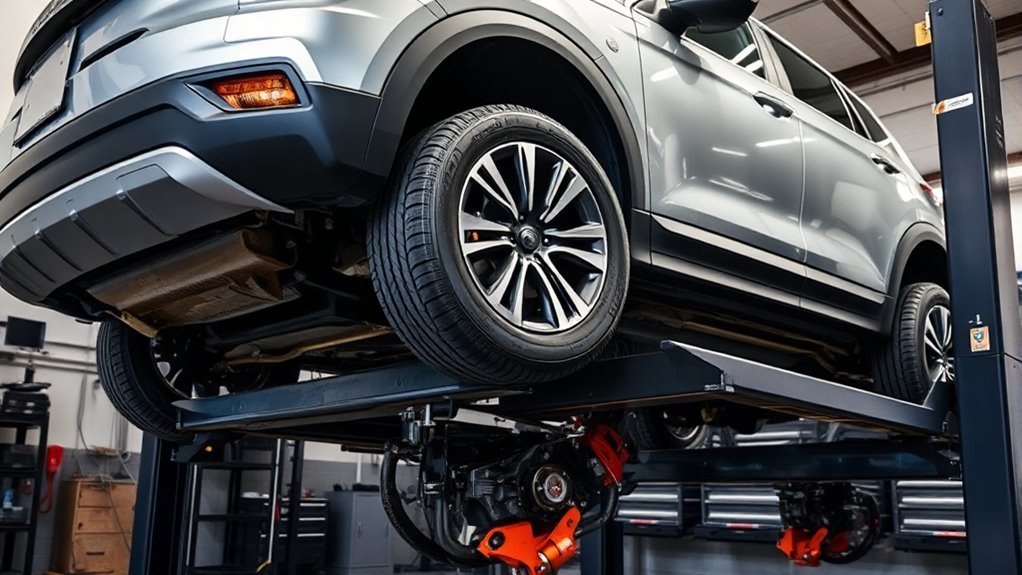
Yes—your drivetrain can affect how quickly your tires wear and, in some cases, how often you should rotate them. Front-wheel-drive vehicles usually wear the front tires faster because those tires handle steering, most braking, and engine power.
Rear-wheel-drive models shift more workload to the rear tires under acceleration, so wear patterns often differ front to back.
If you drive an all-wheel-drive or four-wheel-drive vehicle, power reaches all four tires, which can promote more even wear overall. Still, you should rotate them on schedule because small differences in tread depth matter more on these systems.
Your owner’s manual may also specify a particular rotation pattern based on your drivetrain. Following that guidance helps you maintain balanced handling, steadier traction, and longer-lasting tires over time.
What Affects How Often You Rotate Tires?
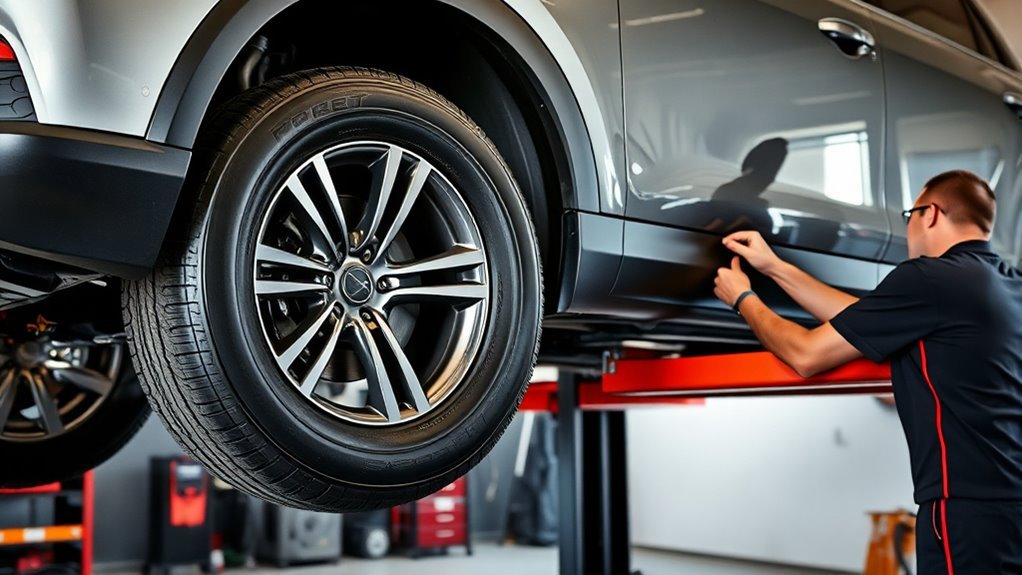
Several factors determine how often you should rotate your tires, including your driving habits, road conditions, tire type, drivetrain, and whether your vehicle carries heavy loads. If you accelerate hard, brake aggressively, or corner fast, you’ll increase tread wear and may need more frequent rotations.
Driving style, road conditions, tire type, drivetrain, and load all affect how often your tires should be rotated.
Rough roads, potholes, gravel, and extreme temperatures can also speed wear.
Your tires themselves matter too. Some performance tires wear faster than touring models, and directional or staggered setups can limit rotation patterns.
Your vehicle’s drivetrain influences which tires handle more power and steering forces, changing wear rates. Load also plays a role. If you regularly tow, haul gear, or carry passengers, your tires work harder.
Checking your owner’s manual and tire maker’s guidance helps you choose the right rotation schedule.
What Signs Mean You Need a Tire Rotation?
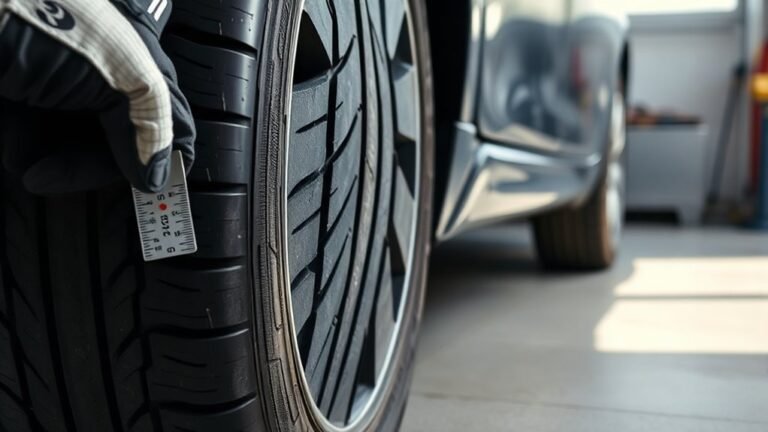
Even if you follow a mileage-based schedule, your tires often show clear signs when they need rotation sooner. Check your tread regularly. If the front tires look more worn than the rear tires, or one edge wears faster than the other, rotation may help even things out.
Uneven wear patterns are one of the easiest clues to spot. You might also notice changes while driving. If your car feels less stable in turns, produces more road noise than usual, or develops a slight vibration at speed, inspect the tires.
Pulling and alignment issues can have other causes, but rotation is still worth considering. Also, watch your tread depth numbers. When they vary noticeably from one tire to another, it’s a strong signal that rotation is due now.
What Happens If You Skip Tire Rotation?
Skipping tire rotation speeds up uneven tread wear, so your tires won’t last as long as they should. Because each wheel position carries weight and handles forces differently, some tires scrub faster than others.
You may notice one edge wearing down, cupping across the tread, or certain tires looking much more worn than the rest.
When wear patterns get out of balance, your car can feel rougher and less predictable. You might hear more road noise, feel extra vibration, or notice reduced traction in rain.
Unevenly worn tires can also make braking and cornering feel less stable. In some vehicles, neglected rotation may strain suspension components because the tires no longer contact the road evenly.
If the wear becomes severe, you could need tire replacement sooner than expected. So, it really pays to keep up with your tire rotation schedule!
How Does Tire Rotation Help Tires Last Longer?
Regular tire rotation spreads wear more evenly across all four tires, which helps each one use more of its tread before it needs replacement. When you rotate tires, you prevent one position from wearing out faster, especially on front-wheel-drive vehicles.
That means better traction, steadier handling, and more miles from every set. It’s a simple maintenance step that really pays off in the long run.
| Position | Typical Wear | Rotation Benefit |
|---|---|---|
| Front left | Faster shoulder wear | Moves stress elsewhere |
| Front right | Heavy braking wear | Balances tread loss |
| Rear left | Slower wear | Shares workload |
| Rear right | Irregular wear risk | Reduces cupping |
Frequently Asked Questions
Can I Rotate Tires Myself at Home?
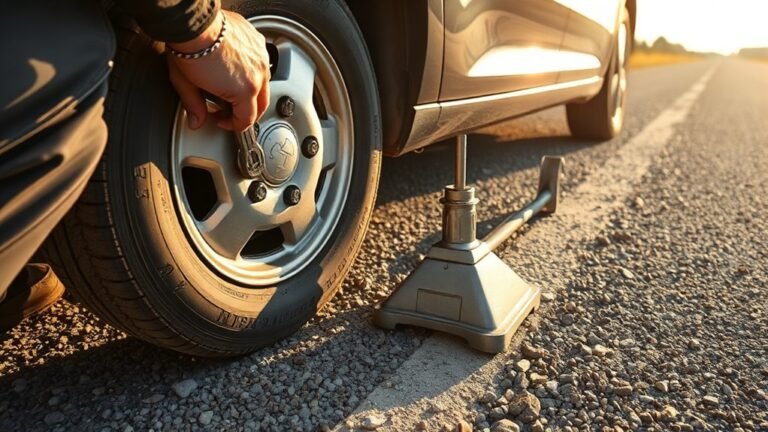
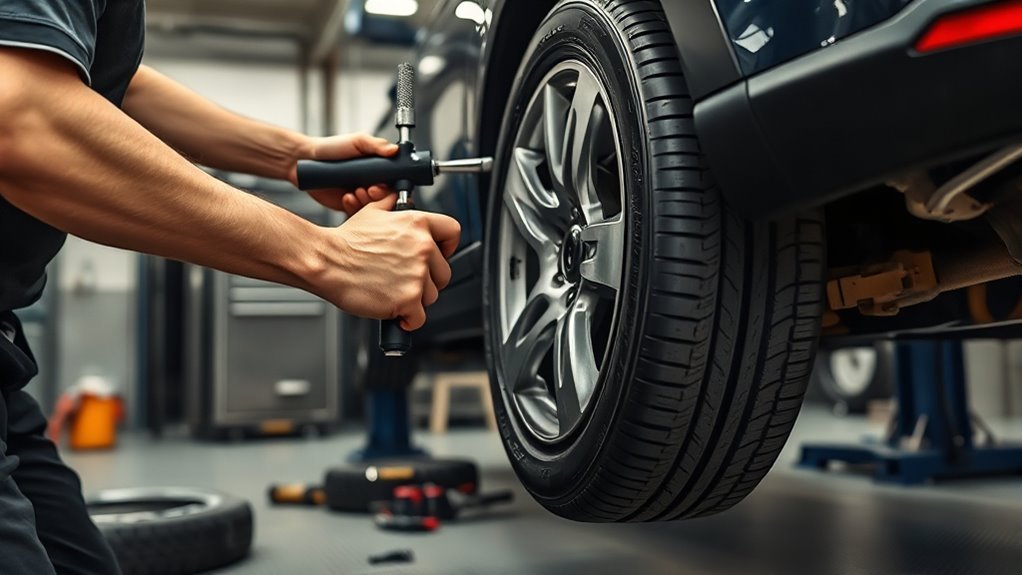
Yes, you can rotate tires yourself at home if you’ve got a jack, stands, and a torque wrench. It’s pretty doable with the right tools.
Just make sure to follow your vehicle’s rotation pattern. Loosen the lug nuts safely before you start.
When you’re done, tighten everything to the correct specification. It helps keep your tires wearing evenly and your ride smooth.
Do I Need an Alignment After Rotating Tires?
No—you usually don’t need an alignment after rotating tires. About 1 in 3 cars develops uneven tire wear from misalignment, which can shorten tire life.
You should get an alignment only if you notice pulling or uneven wear. It’s really that simple! Just keep an eye on how your car feels while driving.
Should the Spare Tire Be Included in Rotation?
Yes, you should include the spare in rotation if it’s a full-size matching tire. You’ll even out wear, extend tire life, and keep handling consistent.
But don’t rotate a temporary spare; it isn’t designed for regular use. So, save those for emergencies only!
How Much Does a Tire Rotation Usually Cost?
You’ll usually pay $20 to $50 for a tire rotation, though some shops include it free.
Like shuffling a kingdom’s guards, you keep wear even. You’ll often save money by bundling service.
Can Tire Rotation Affect My Vehicle Warranty?
Yes, tire rotation can affect your vehicle warranty if you skip required service. You should follow your owner’s manual and keep records.
Manufacturers may deny related warranty claims when you can’t prove proper maintenance. So, it’s really important to stay on top of it.
Conclusion
Rotate your tires on schedule, and you’ll get more even wear, better handling, and longer tread life. If you think you can wait because your tires still “look fine,” don’t count on it—uneven wear often starts before it’s easy to spot.
Sticking to your vehicle’s recommended interval, or about every 5,000 to 7,500 miles, helps you avoid costly replacements and keeps your car driving smoothly. It’s a small service that pays off every time you hit the road.
Regular tire rotation is key to maintaining your vehicle’s safety and performance. By rotating tires frequently, you ensure even tread wear, which improves traction and handling. Plus, it extends the life of your tires, saving you money in the long run. So, don’t overlook this simple maintenance step—rotating your tires on time is essential for a smooth, safe driving experience.