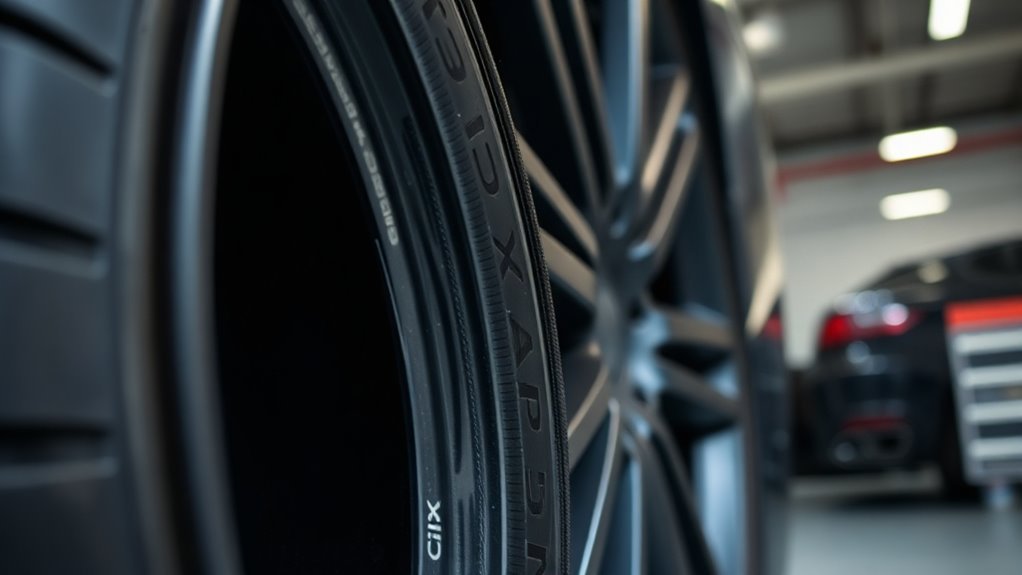
What Does XL Mean on a Tire?
XL on a tire means Extra Load, not a bigger tire size. When you see XL on the sidewall, it tells you the tire is built with reinforced construction so it can carry more weight than a standard tire of the same size. This Extra Load feature is especially important if you’re looking for tires that handle heavier loads without compromising safety.
To get that added capacity, you’ll usually need higher inflation pressure. These tires can improve stability under load, but they may ride firmer and cost more. Keep going, and you’ll see how to tell if your vehicle needs them.
Key Takeaways
- XL on a tire means Extra Load, not a larger physical tire size.
- XL tires have reinforced construction, often with stiffer sidewalls, to support more weight.
- They carry more load than standard tires of the same size when inflated to higher specified pressures.
- Check the sidewall after the size and load rating for “XL” or “Extra Load.”
- Use XL tires only if the vehicle’s placard, manual, or load requirements call for them.
What Does XL Mean on a Tire?
You shouldn’t confuse XL with a larger physical tire. It usually keeps the same dimensions as the standard version, but its internal design and pressure rating raise load capacity.
For you, that can mean better stability under weight and more confidence when your vehicle works hard. Still, XL tires aren’t automatically better for every car, because your vehicle needs the load rating and pressure range its maker recommends exactly.
How Can You Tell if a Tire Is XL?
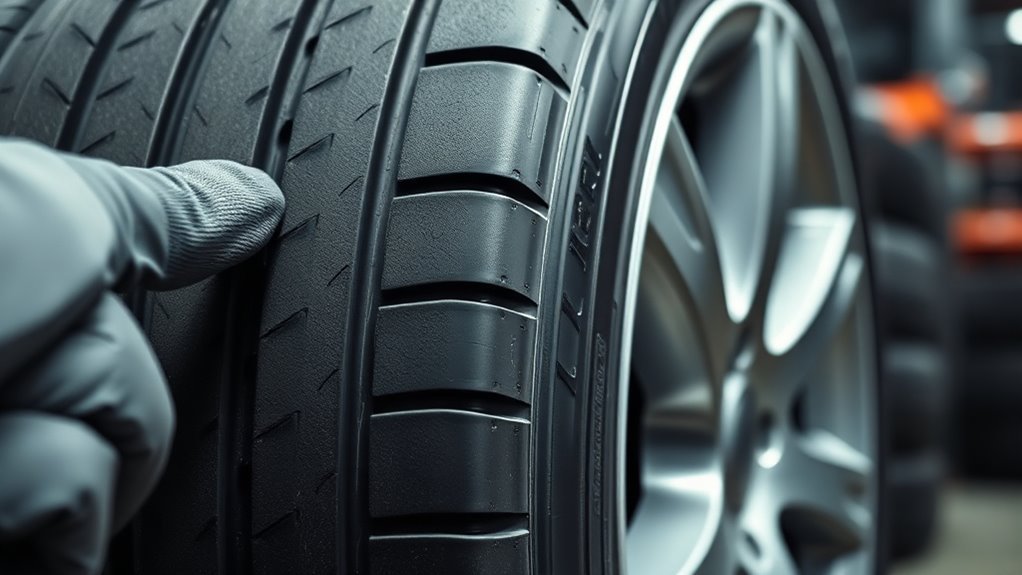
Check the tire’s sidewall first, because that’s where manufacturers mark an XL tire most clearly. You’ll usually see “XL” printed after the tire size, such as 225/45R17 94W XL.
Some brands may also use “Extra Load” instead of the abbreviation, so read the full sidewall carefully.
Use this quick checklist when you inspect the tire:
- Find the tire size sequence stamped on the sidewall.
- Look immediately after the size and service description for “XL.”
- Confirm the same marking on the product listing or manufacturer specs.
If you’re shopping online, zoom in on sidewall photos and compare the listing details with the manufacturer’s website. If you still don’t see XL or Extra Load anywhere, the tire probably isn’t an XL model at all.
Why Do XL Tires Carry More Weight?
Built to handle higher inflation pressure, XL tires carry more weight because their reinforced construction lets them support a greater load than standard-load tires of the same size. When you add pressure safely, the tire keeps its shape better under the vehicle, so the contact patch stays controlled and the casing resists excessive flex.
| Feature | What it does | Benefit to you |
|---|---|---|
| Stronger casing | Supports added pressure | Carries more load |
| Reinforced sidewalls | Limits flex under weight | Improves stability |
That combination helps the tire manage heat and stress more effectively during everyday driving. You get more load-carrying capacity without changing tire dimensions, which matters when your vehicle regularly hauls passengers, cargo, or equipment.
In short, pressure plus reinforcement gives you the extra support needed safely. It’s a smart way to carry more without compromising on performance.
How Are XL Tires Different From Standard Tires?
You’ll notice the biggest difference in how much weight an XL tire can support compared with a standard tire of the same size. You’ll also need to pay attention to inflation, since XL tires typically require higher air pressure to carry that extra load safely.
If you choose between the two, you should match the tire’s load rating and pressure needs to your vehicle. That way, you’ll ensure your tires perform well and keep you safe on the road.
Load Capacity Differences
Because XL tires use a reinforced internal structure and run at higher inflation pressures, they can carry more weight than standard tires of the same size. That added capacity matters if you drive a heavier vehicle, carry passengers often, or load up cargo regularly.
You get more support from each tire without changing the tire’s overall dimensions.
Here’s what that difference means for you:
- Higher load rating: XL tires support more weight per tire than standard versions.
- Better stability under load: Your vehicle feels more composed when it’s carrying people or gear.
- More suitability for demanding use: XL tires fit SUVs, crossovers, and performance vehicles that need extra carrying ability.
If your vehicle calls for XL tires, choosing standard ones can reduce safe load-carrying margin and overall handling confidence. So, it’s really important to stick with what’s recommended.
Inflation Pressure Requirements
While XL tires may look like standard tires from the outside, they need higher air pressure to deliver their extra load capacity and maintain proper performance. That added pressure supports the reinforced construction and helps the tire carry more weight without excessive flexing or heat buildup.
If you install XL tires, you can’t assume the same pressure setting used for standard tires will work.
You should always check your vehicle placard, owner’s manual, and the tire manufacturer’s recommendations before inflating them. Many XL tires require higher maximum pressures than standard versions, often around 41 to 50 psi instead of 35 psi.
If you underinflate them, you reduce their load-carrying ability, weaken handling, and increase wear. Proper inflation lets you get the strength, stability, and safety XL tires were designed to provide.
Does Your Vehicle Need XL Tires?
To know if your vehicle needs XL tires, you should first check its load requirements and how much weight you regularly carry.
You’ll also want to think about ride quality and handling, since XL tires can feel firmer but offer more stability under load.
Your owner’s manual and tire placard will help you confirm whether XL tires are necessary or optional.
Vehicle Load Requirements
Capacity matters most when you’re deciding whether your vehicle needs XL tires. You should match the tire’s load rating to your vehicle’s requirements, not guess based on size alone.
Check the driver’s door placard, owner’s manual, or the original tire specifications. If your vehicle regularly carries heavy passengers, cargo, or towing weight, standard tires may not provide enough capacity.
- Check GVWR: Compare your vehicle’s gross weight rating with each tire’s load index.
- Account for use: Add the weight of people, luggage, tools, or trailer tongue load you carry often.
- Follow OEM specs: If the manufacturer specifies XL or reinforced tires, stick with that requirement.
If your numbers are close to a standard tire’s limit, XL tires give you the needed margin to support the load safely every day. It’s better to be safe than sorry when it comes to carrying heavy loads.
Ride And Handling
Consider how your vehicle feels on the road, because ride and handling can hint at whether XL tires make sense. If you notice excessive sidewall flex in corners, vague steering response, or instability when the vehicle is full, XL tires may help.
Their reinforced construction can sharpen turn-in, improve control, and support heavier loads without feeling unsettled.
You should also think about comfort. XL tires often need higher air pressure, which can make the ride feel firmer over bumps and rough pavement.
If you mostly drive unloaded and value a softer, quieter ride, standard load tires may suit you better. But if you tow, carry passengers often, or drive an SUV or crossover, XL tires can provide a more confident, composed feel in daily driving and highway travel.
How Do XL Tires Affect Ride, Pressure, and Cost?
Usually, XL tires give you a slightly firmer ride because their reinforced construction uses stiffer sidewalls. They also need higher air pressure than standard load tires to carry their rated load safely. That can make bumps feel sharper, but you may also notice better stability when your vehicle is loaded.
XL tires usually ride firmer because of stiffer sidewalls, but they can improve stability when your vehicle carries more weight.
Here’s what changes for you:
- Ride comfort: You’ll likely feel a firmer, more controlled response on rough roads.
- Air pressure: You must follow the vehicle or tire maker’s recommended PSI since underinflation hurts performance and safety.
- Cost: You’ll usually pay more upfront for XL tires, and replacement costs can be higher too.
If your vehicle doesn’t need XL tires, you might not benefit enough to justify the extra stiffness or expense at all. So, it’s worth thinking about whether they’re really necessary for you.
Frequently Asked Questions
Can XL Tires Be Mixed With Non-Xl Tires on the Same Vehicle?
Like mixing apples and oranges, you shouldn’t mix XL and non-XL tires on the same vehicle unless your manufacturer explicitly allows it.
You’ll risk uneven handling, load capacity issues, and unpredictable performance, especially during braking or cornering.
It’s just not worth the potential safety hazards. Better to keep all your tires consistent for smooth and safe driving.
Do XL Tires Affect Fuel Economy Compared to Standard Tires?
Yes, you might see slightly lower fuel economy with XL tires because they often weigh more and can have higher rolling resistance.
If you keep them properly inflated, you’ll usually minimize the difference versus standard tires. It’s really about maintaining good tire care to keep things efficient.
Are XL Tires Suitable for Winter Driving Conditions?
Yes, you can use XL tires in winter, like sturdy boots on an icy trail, but you’ll need the right winter tread and compound.
They won’t guarantee grip alone, so match them to true winter conditions. It’s all about making sure they fit what the weather throws at you.
Do XL Tires Wear Out Faster Than Standard Tires?
No, XL tires don’t usually wear out faster than standard tires. You’ll typically see similar tread life if you maintain proper pressure, alignment, and rotation.
Poor inflation or harsher loads can make any tire wear sooner. So, it really comes down to how well you take care of them.
Can XL Tires Improve Towing or Hauling Stability?
Steadier, sturdier support: yes, XL tires can improve your towing or hauling stability because they resist sidewall flex under heavier loads. You’ll likely feel firmer handling and better control, but only if you inflate them properly.
Conclusion
XL on a tire means “Extra Load,” and it’s designed to carry more weight than a standard tire of the same size. That matters more than you might think: underinflated or overloaded tires contribute to nearly 1 in 4 passenger-vehicle tire-related crashes.
If your vehicle calls for XL tires, you shouldn’t swap them out casually. Check your sidewall and owner’s manual so you get the right support, safe handling, and the performance your vehicle was built for.
Choosing the right tires, including XL tires when specified, is crucial for safety and optimal performance. Using the correct tire load rating ensures your vehicle handles properly and reduces the risk of accidents caused by tire failure. So, always pay attention to those tire markings and follow your manufacturer’s recommendations to keep your ride safe and smooth.