How Far Can You Drive on a Flat Tire?
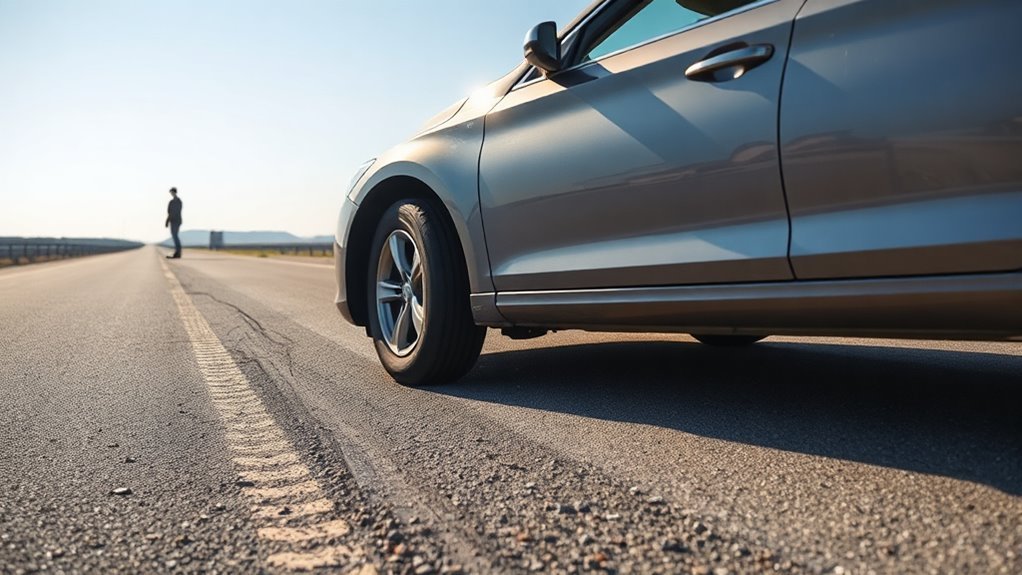
You shouldn’t drive on a flat tire more than the few feet or minutes needed to get safely off the road. Driving on a flat tire can cause serious damage, so it’s best to avoid going any further than necessary. A completely flat tire can shred its sidewall, overheat, and damage the rim, brakes, and suspension—even at low speed.
If you must move your car, go slowly and avoid sharp turns or hard braking. Also, make sure to turn on your hazard lights to alert other drivers. How far you can safely drive on a flat tire really depends on factors like your speed, the weight of your vehicle, and the road conditions you’re driving on.
So, while it might be tempting to keep going, it’s smarter to stop as soon as you can and get that flat tire fixed or replaced. There’s definitely more to know about handling flat tires safely, but these tips should help you avoid making the problem worse.
Key Takeaways
- A completely flat tire should not be driven on; the safest distance is zero miles. Even a short drive can destroy the tire’s sidewall and make repair impossible.
- Driving flat can bend or crack the rim and damage brakes or suspension. So, it’s really not worth the risk.
- If you absolutely have to move the car, go slowly. Avoid sharp turns and hard braking, and pull over as soon as you can.
- Make sure to turn on your hazard lights, stop safely, and then call roadside assistance or use a spare if you have one.
How Far Can You Drive on a Flat Tire?
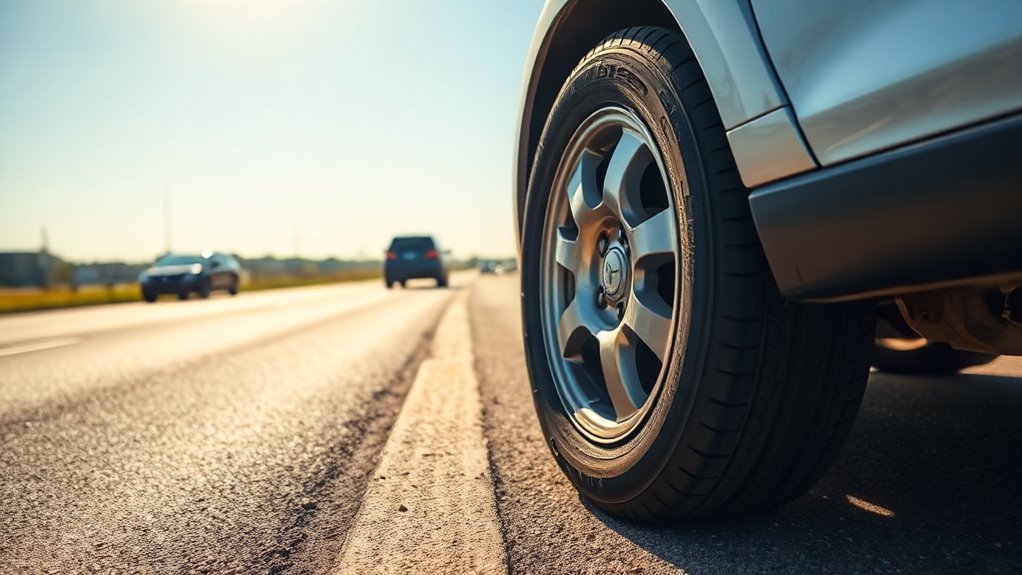
If you keep driving on a flat tire, you won’t get far before you risk serious damage. In most cases, you should stop as soon as it’s safe.
A completely flat tire can’t support the wheel properly, so even a short distance can shred the sidewall, bend the rim, and weaken nearby parts. If the tire only seems low, you might reach a safer spot, but don’t treat that as normal driving.
A flat tire can quickly shred the sidewall, bend the rim, and damage nearby parts.
Your speed, vehicle weight, and road surface all affect how quickly damage starts. If you must move, go slowly and avoid hard turns or braking.
Check the tire right away, and don’t assume you can make it to your destination. Honestly, the safest answer is usually zero miles.
What Happens If You Keep Driving?
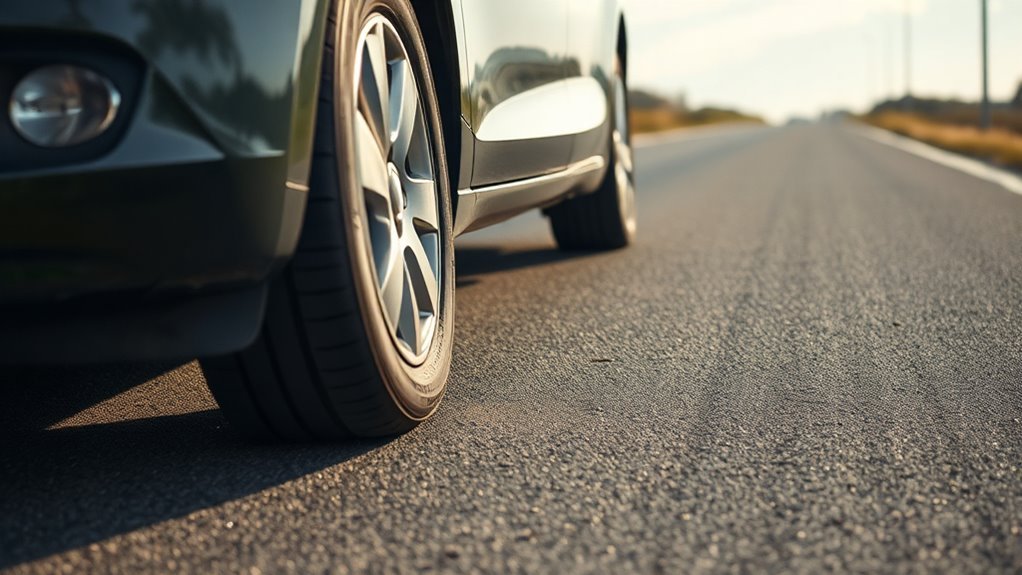
If you keep driving on a flat tire, the damage gets worse fast as the rubber, sidewall, and rim start breaking down.
You’ll likely ruin the wheel itself, and the extra strain can also hurt your brakes and suspension. What starts as a flat can quickly turn into a much bigger repair bill.
Tire Damage Progression
When you keep driving on a flat tire, the damage usually escalates quickly. The sidewall bends and folds, and the rubber overheats as it supports the vehicle without enough air.
You’ll start to lose the tire’s shape, making steering feel sluggish and unstable. As the tire continues to run flat, the inner liner can tear, the tread can separate, and chunks of rubber may rip away.
You also create intense friction that burns the carcass from the inside out. The longer you drive, the less chance you have of saving the tire.
Even a short distance can turn a repairable puncture into a tire that needs full replacement, so stop as soon as it’s safe.
Wheel And Brake Damage
Keep driving on a flat tire, and the damage can spread beyond the rubber to the wheel itself. With no air cushion, the rim can dig into the pavement, bend, crack, or even shred its edge.
That kind of abuse can ruin the bead seat and make the wheel unsafe to repair. You may also overheat your brakes because the extra drag forces them to work harder, especially if you’re struggling to control the car.
In severe cases, the tire can come off the rim, leaving you with poor steering, longer stopping distances, and a higher crash risk. If you notice a flat, pull over safely, stop driving, and switch to the spare or call roadside assistance right away.
How Far Can You Drive Safely on a Flat Tire?
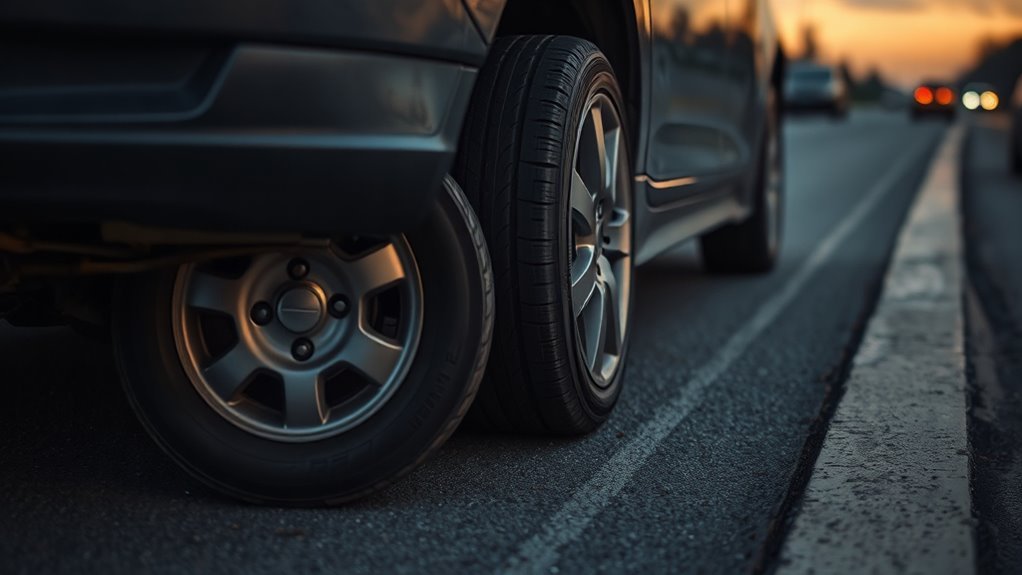
You can’t safely drive far on a flat tire, so pull over as soon as it’s safe to do so. Every mile you keep going increases the risk of severe tire damage, wheel damage, and even loss of control.
Turn on your hazard lights, slow down, and ease onto the shoulder or another safe spot right away. It’s better to be safe and stop sooner rather than later.
Immediate Stop Distance
There’s no truly safe distance to drive on a flat tire; the right move is to pull over as soon as you can do so safely.
If the tire only looks low, slow down, ease off the throttle, and keep the steering wheel steady. Turn on your hazard lights, check mirrors often, and move toward the shoulder or nearest safe parking area.
Don’t brake hard or jerk the wheel, because that can make control worse. If you can reach a nearby exit, service station, or wide shoulder within a very short distance, do it carefully and stop.
Once you’re clear of traffic, park, set the brake, and assess the tire. If the car feels unstable, stop driving immediately and call for roadside assistance or help.
Tire Damage Risks
Driving even a short distance on a flat tire can quickly chew through the rubber and damage the sidewall. It can even ruin the wheel itself. You might also overheat the brake area, stress suspension parts, and bend the rim since the tire no longer cushions impacts.
Even at low speeds, you can tear the cords inside the tire. When that happens, repair becomes impossible, and replacement is the only safe option.
- Sidewall collapse exposes the wheel to direct road contact.
- Rim damage can create costly vibrations and leaks.
- Internal cord breakage weakens the tire’s structure.
- Heat buildup accelerates failure and spreads damage fast.
If you keep driving on a flat, you’re just raising repair costs and reducing control. A flat tire doesn’t just lose air—it can trigger cascading damage that affects handling, braking, and your long-term safety. So, it’s best to stop and address it right away.
Safe Pull-Over Steps
If your tire goes flat while you’re driving, the safest move is to slow down, signal, and pull over as soon as you can without making a sudden maneuver. Keep both hands on the wheel and ease off the accelerator. Don’t brake hard, because that can upset the car’s balance.
Guide the vehicle toward the shoulder, a parking lot, or another safe, level spot away from traffic. Once you stop, turn on your hazard lights, shift into park, and set the parking brake.
Stay inside if traffic is heavy or the area feels unsafe. Then inspect the tire from a safe position and call for roadside help or use your spare if you know how. Driving any farther can damage the wheel, suspension, and brakes.
Factors That Affect a Flat Tire’s Distance
Several factors determine how far you can drive on a flat tire, including your speed, the road surface, the tire’s remaining air, and your vehicle’s weight. If you creep along on smooth pavement, you may squeeze out a little more distance than if you travel fast or hit rough patches.
A heavier vehicle crushes the tire faster, while a lightly loaded one may spare it briefly. Heat builds quickly, too, and it can damage the sidewall in minutes. Sharp turns and hard braking increase stress and shorten the tire’s usable distance.
- Higher speed raises friction and heat
- Rough roads shred rubber faster
- More weight increases sidewall collapse
- Longer travel time compounds damage
What to Do When Your Tire Goes Flat
When a tire goes flat, ease off the accelerator, keep a firm grip on the wheel, and steer calmly toward the shoulder or another safe pull-off area. Don’t slam on the brakes, because that can make the car swerve or damage the wheel more.
Ease off the accelerator, grip the wheel firmly, and steer calmly to a safe pull-off area.
Once you’ve stopped, turn on your hazard lights and set the parking brake. If you’re on a busy road, stay inside the vehicle unless it isn’t safe to do so.
Check the tire from a distance and avoid driving farther if the sidewall looks collapsed or the rim is exposed. If you have a spare and the tools, change the tire only if you can do it safely.
If not, call roadside assistance and wait well off traffic. It’s better to be safe and patient than to risk an accident.
How to Prevent a Flat Tire Next Time
A flat tire is often preventable with a little routine care. You can lower your risk by checking tire pressure every month and before long trips.
Keep your tires inflated to the automaker’s recommended level, not the number on the sidewall. Inspect tread for uneven wear, cuts, nails, and bulges. Then, rotate and align your tires on schedule.
If you hit a pothole or curb, check for damage right away. Replace worn tires before they lose grip or weaken.
- Use a quality pressure gauge.
- Keep a spare tire ready and inflated.
- Avoid overloading your vehicle.
- Drive cautiously on rough roads and debris.
Taking these simple steps really helps avoid flats and keeps you safe on the road.
Frequently Asked Questions
Can a Flat Tire Damage the Wheel Rim?
Yes, a flat tire can damage your wheel rim. If you keep driving, you’ll bend or scrape it. You might even end up ruining the whole wheel.
Will a Tire Pressure Sensor Warn Me Immediately?
Not always; you might get a warning within minutes, but some sensors only alert you after pressure drops considerably.
You should still check tires manually, because sensors can miss sudden flats or slow leaks. It’s always better to be safe than sorry!
Is It Safe to Use a Spare Tire on Highways?
A spare tire is your lifeboat, not a cruiser, so you can use it on highways if you drive cautiously and follow its limits.
Check speed, distance, and pressure, then replace it soon.
It’s really just a temporary fix, so don’t rely on it for too long. Keep an eye on how it feels while driving and get a proper tire as soon as you can.
Can Weather Affect How Long a Flat Tire Lasts?
Yes, weather can affect it. You’ll lose pressure faster in cold temperatures, and heat can worsen damage or make rubber fail sooner.
If you notice a flat, you shouldn’t keep driving, regardless of conditions. It’s just not worth the risk.
How Much Does Roadside Tire Repair Usually Cost?
You’ll usually pay $50 to $150 for roadside tire repair, depending on location, time, and damage.
You might spend more for emergency service or a new tire if the puncture can’t be fixed. It all just depends on the situation.
Conclusion
You can’t go far on a flat tire without risking serious damage, so treat it like a warning light, not a challenge. The moment you feel that wobble or hear that thump, pull over safely and stop driving.
A flat tire is the road’s way of telling you to slow down and listen. Check the tire, call for help if needed, and replace or repair it before you get back on the road.
Driving on a flat tire can cause damage to your wheel and suspension, so it’s important not to ignore it. Always prioritize safety and get the tire fixed promptly. Remember, knowing how far you can drive on a flat tire isn’t about pushing limits—it’s about preventing costly repairs and staying safe on the road.