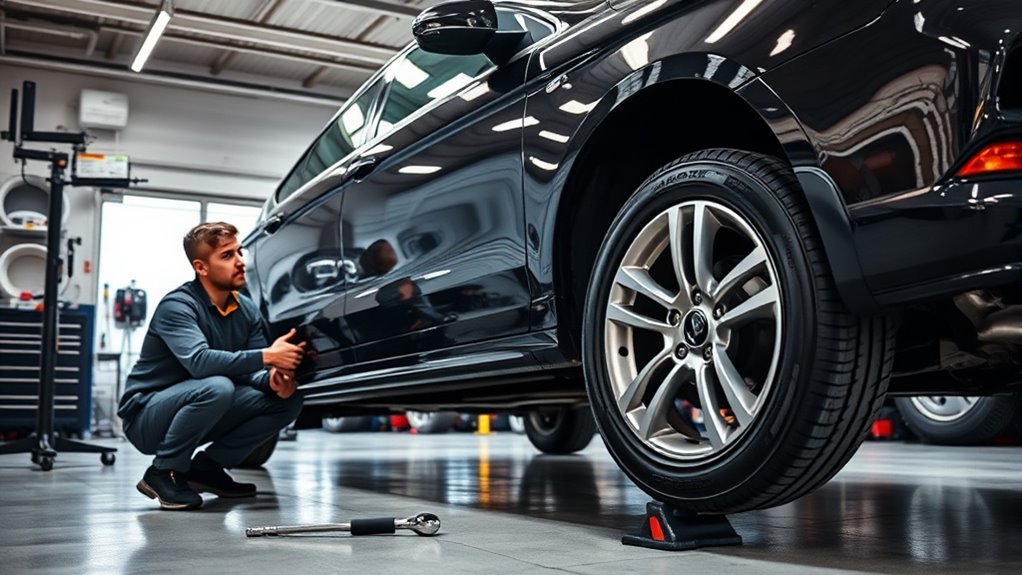
How Often Should I Rotate My Tires?
You should rotate your tires every 5,000 to 7,500 miles, unless your owner’s manual recommends a different interval.
Regular tire rotation is key to keeping your vehicle running smoothly and safely. It helps your tires wear evenly, which can improve handling and extend tread life.
If you drive in stop-and-go traffic, tow heavy loads, or rack up miles quickly, you might need to rotate your tires sooner. Rotating them regularly also gives you a chance to spot alignment or suspension issues early.
There’s more to know about tire rotation patterns and timing, so it’s worth paying attention to the details.
Key Takeaways
- Rotate most tires every 5,000 to 7,500 miles, unless your owner’s manual says otherwise.
- Severe driving, towing, or stop-and-go traffic may require more frequent rotations.
- Front-wheel, rear-wheel, and all-wheel drive vehicles can wear tires differently, affecting rotation intervals.
- Regular rotation helps tires wear evenly, improves handling, and extends tread life.
- Watch for uneven wear, vibration, or pulling, which can mean your tires need rotation sooner.
How Often Should You Rotate Tires?
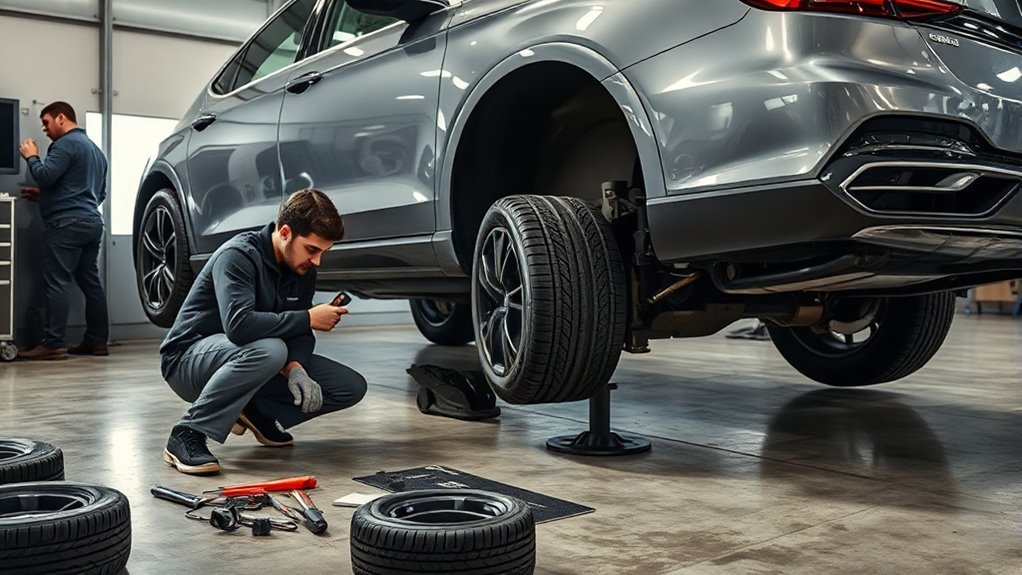
Most vehicles should have their tires rotated every 5,000 to 7,500 miles, though your owner’s manual may recommend a different interval. You should also adjust that schedule if you drive in stop-and-go traffic, tow heavy loads, or rack up miles quickly.
Regular rotation helps your tires wear more evenly, which can support safer handling and extend tread life. If you notice uneven wear, vibration, or reduced traction before your next service, don’t wait—have a technician inspect your tires.
You can often combine rotation with an oil change or scheduled maintenance visit, making it easier to stay on track. Keep a simple mileage log so you know when the next rotation is due, and check tire pressure at the same time.
Tire Rotation Patterns That Work Best
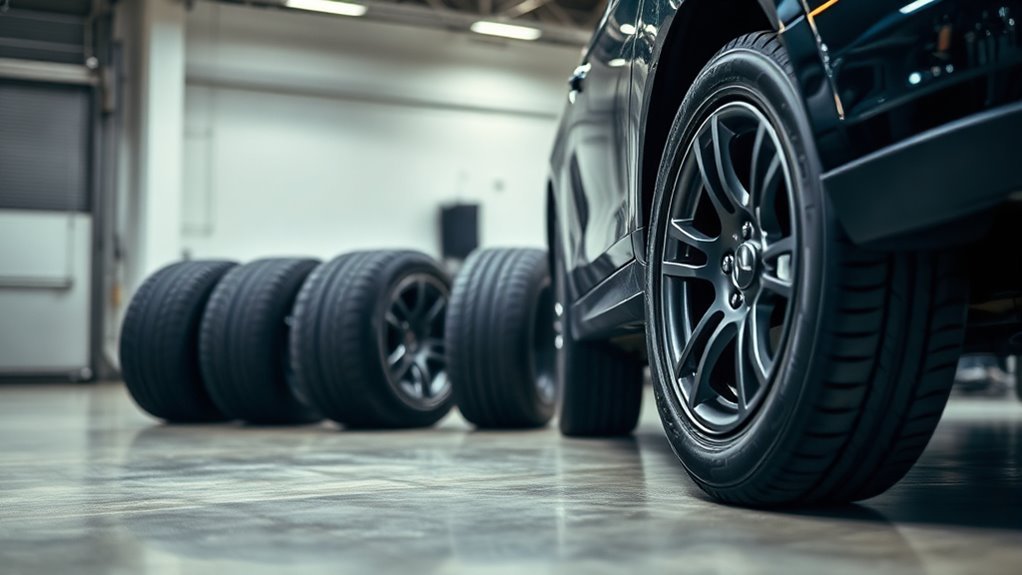
The best tire rotation pattern depends on your vehicle, drivetrain, and tire type, so it’s worth following the pattern in your owner’s manual or service guide.
The best tire rotation pattern depends on your vehicle, drivetrain, and tire type.
For many vehicles, a front-to-rear swap works well: move the front tires straight back and bring the rear tires forward, keeping them on the same side.
If you have a full-size spare, you can include it in the rotation to help even out wear.
For directional tires, you’ll usually switch front and rear on the same side only.
If your tires are non-directional and your manual allows it, a cross pattern can help balance wear more evenly.
Whatever pattern you use, keep it consistent, check tread depth, and inspect for uneven wear each time you rotate.
When to Rotate Tires by Vehicle Type

Your vehicle type can change how often you should rotate tires, since weight balance, drivetrain, and tire wear patterns all affect the timing.
If you drive a front-wheel-drive car, you’ll usually rotate tires more often because the front tires handle steering, braking, and most of the engine’s power.
Rear-wheel-drive vehicles often wear the rear tires differently, so rotation keeps tread wear even.
All-wheel-drive and four-wheel-drive models may need tighter intervals because uneven tread can stress the drivetrain.
SUVs, trucks, and vans also benefit from regular rotations because their added weight can speed up wear.
Check your owner’s manual for the best interval, but many vehicles do well at 5,000 to 7,500 miles.
Keep your schedule consistent, and you’ll help your tires last longer and perform better.
Signs Your Tires Need Rotation
You can often tell it’s time for a tire rotation by how the tires are wearing. Check for uneven tread depth, especially if the front tires look more worn than the rear ones or one edge is fading faster than the other.
You may also notice vibration, a noisier ride, or the steering feeling less steady than usual. If your car pulls slightly to one side, that can signal uneven wear patterns that a rotation may help balance.
Use a tread depth gauge or the penny test to compare each tire. Don’t wait until the difference becomes obvious; regular checks during oil changes help you catch wear early.
Rotate sooner if you drive in stop-and-go traffic, carry heavy loads, or make frequent sharp turns. It’s better to stay ahead of the wear than to wait until it becomes a bigger problem.
What Happens If You Skip Rotations
Skipping tire rotations lets wear build up unevenly, which can shorten tread life and force you to replace tires sooner. You’ll often notice the front tires wearing faster than the rear, or one edge losing rubber before the rest.
Skipping tire rotations causes uneven wear, shortening tread life and making tire replacement come sooner than expected.
That uneven wear can make your vehicle ride rougher, pull to one side, and feel less predictable in wet or slippery conditions. It can also increase road noise and reduce fuel efficiency because your tires don’t roll as smoothly.
If you keep delaying rotations, you may end up buying a full set earlier than expected. You might also miss the chance to catch alignment or suspension problems while the wear pattern is still mild.
Regular rotation helps you protect your investment and keep your car safer on the road. So, it’s really worth staying on top of it!
Tire Rotation Tips to Extend Tire Life
You can extend tire life by following the right rotation pattern for your vehicle, since front-, rear-, and all-wheel-drive setups wear differently.
Check your owner’s manual or a trusted service guide so you rotate each set in the correct sequence.
You should also stick to mileage-based rotation intervals, because regular service helps even out wear before problems build up.
Rotation Patterns Matter
Rotation patterns matter because each vehicle wears tires differently, and a smart rotation can help even out that wear before it shortens tire life.
You should match the pattern to your drivetrain, tire type, and the current wear you see. If you drive a front-wheel-drive car, the fronts often move differently than the rears; all-wheel-drive setups can need a more balanced approach.
| Pattern | Use it when |
|---|---|
| Front to rear | You want simple, even wear |
| Cross rotation | You need to shift directional load |
| X-pattern | You’re swapping non-directional tires |
| Rearward cross | You have rear-wheel drive |
| Side-to-side | Your tires are directional |
Check the sidewall and your owner’s manual, then follow the pattern that fits your setup. It’s really all about matching what’s best for your ride.
Mileage-Based Rotation Intervals
Most drivers should rotate their tires every 5,000 to 8,000 miles, but your owner’s manual always gets the final say. If you drive mostly in stop-and-go traffic, carry heavy loads, or make lots of short trips, you may need rotations closer to the lower end.
High-mileage drivers who rack up freeway miles can often follow the longer interval, but they still shouldn’t stretch it too far. Check your odometer at each oil change so you don’t miss the window.
Consistent mileage-based rotations help even out tread wear, improve traction, and can extend tire life. If you’re unsure, ask a technician to inspect your tread depth and recommend a schedule that fits your driving habits and tire type.
Frequently Asked Questions
Can I Rotate Tires Myself at Home?
Yes, you can rotate your tires at home, and it’s usually a breeze if you’ve got a jack, stands, and a lug wrench.
Just follow your vehicle’s pattern, tighten lug nuts properly, and stay safe. It’s not too complicated once you get the hang of it!
Does Tire Rotation Affect Wheel Alignment?
No, tire rotation doesn’t change your wheel alignment, but you can notice alignment problems during rotation.
If your tires wear unevenly or your steering pulls, you should get your alignment checked soon. It’s better to catch these issues early to avoid bigger problems down the road.
Should I Rotate Tires on AWD Vehicles Differently?
Yes—AWD vehicles often need a specific rotation pattern, because up to 50% of drivetrain wear can come from uneven tire sizes.
You’ll usually rotate them front-to-back more carefully, following your owner’s manual exactly. It’s important to stick to the recommended pattern to keep everything running smoothly.
Can New Tires Be Rotated With Old Tires?
Yes, you can rotate new tires with old ones, but you’ll get uneven wear if tread depths differ a lot.
You should match axle placement carefully and follow your vehicle’s rotation pattern.
Doing this helps keep things balanced and your tires lasting longer. Just keep an eye on how much tread each tire has before mixing them.
Is Tire Rotation Covered by Warranty?
Usually, your warranty doesn’t cover tire rotations unless you bought a maintenance plan. You’ll need to check your vehicle and tire warranty terms, since coverage varies by brand, dealer, and service package.
It’s a good idea to ask your dealer directly or look over your paperwork to see what’s included. That way, you won’t be caught off guard when it’s time for service.
Conclusion
So, how often should you rotate your tires? Think of it like giving your car a fair handshake—regular rotation keeps every tire sharing the load instead of wearing out like old shoes on a long road.
Stick to your vehicle’s schedule, watch for uneven wear, and don’t let small maintenance slip through the cracks. A little attention now can save you from a rougher ride later.
Tire rotation is key to extending tire life, improving safety, and maintaining smooth performance. By rotating your tires regularly, you help ensure even tread wear, which can enhance fuel efficiency and prevent premature tire replacement. So, keep an eye on your tires and follow the recommended rotation intervals. It’s a simple step that helps your tires carry you farther, smoother, and safer on every journey.