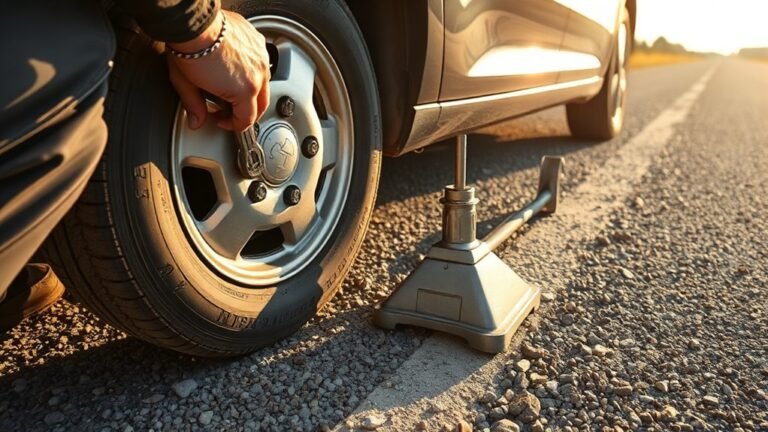
When Should You Get New Tires?
You should get new tires when tread gets too low, damage appears, or age makes the rubber unsafe.
The tread depth is super important for your safety, especially in wet conditions. Replace them before they hit 2/32 inch, and consider doing it around 4/32 for better wet traction.
Cracks, bulges, sidewall punctures, tread separation, repeated air loss, or vibrations after balancing all mean it’s time to swap them out. These issues can seriously affect how your car handles, so don’t ignore them.
Tires over six years old need closer inspection, and many should be replaced by ten. Age can make the rubber brittle, even if the tread looks okay. A few more checks can help you decide confidently when it’s time for new tires.
Key Takeaways
- Replace tires when tread reaches 4/32 inch for safety, and never wait past the 2/32-inch legal minimum.
- Get new tires immediately if you see sidewall cracks, bulges, exposed cords, tread separation, or sidewall punctures.
- Replace tires after severe pothole hits, curb impacts, or collisions that may cause hidden internal damage.
- Inspect tires closely after six years, and replace them by ten years regardless of mileage.
- Get new tires if you have repeated air loss, persistent vibration, pulling, or reduced wet-road traction.
When Should You Replace Your Tires?
Even if your tires still look usable, you should replace them when the tread is worn down, the rubber is damaged, or the tires have aged past their safe lifespan. You can’t rely on appearance alone, because internal weakness, dry rot, and impact damage often hide beneath the surface.
Even usable-looking tires should be replaced when tread wears down, rubber degrades, or age compromises safety.
Check for cracks, bulges, cuts, or punctures near the sidewall. Also watch out for repeated air loss or vibration that doesn’t disappear after balancing. If you notice any of those signs, replace the tire promptly to protect handling, braking, and stability.
You should also replace tires after severe pothole strikes, curb impacts, or collisions that may have weakened the structure. Age matters too: heat, sunlight, and time harden rubber and reduce grip.
If you’re unsure whether a tire is still safe, have a trusted technician inspect it immediately. It’s always better to be safe than sorry when it comes to your tires.
How Much Tread Do Your Tires Need?
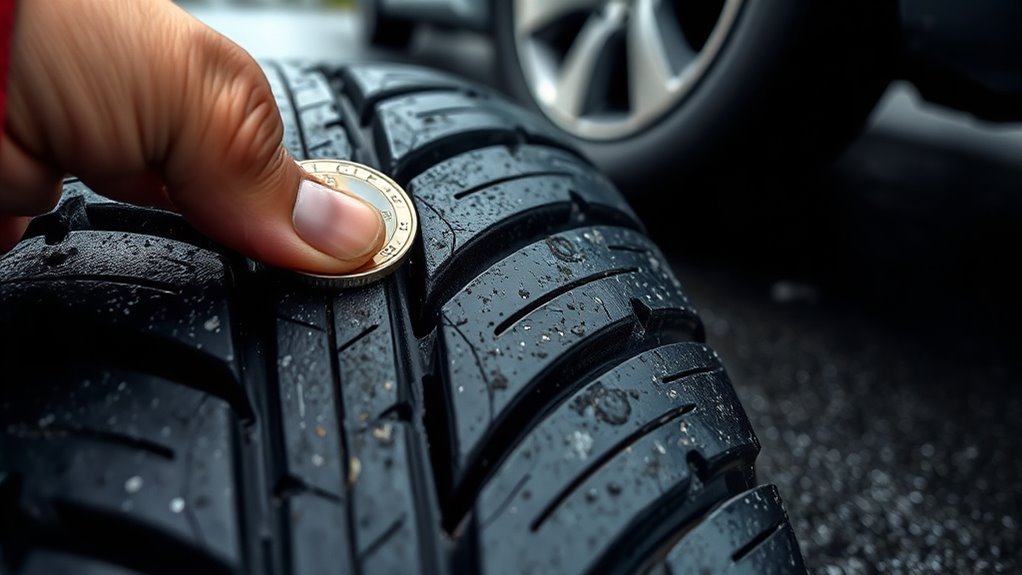
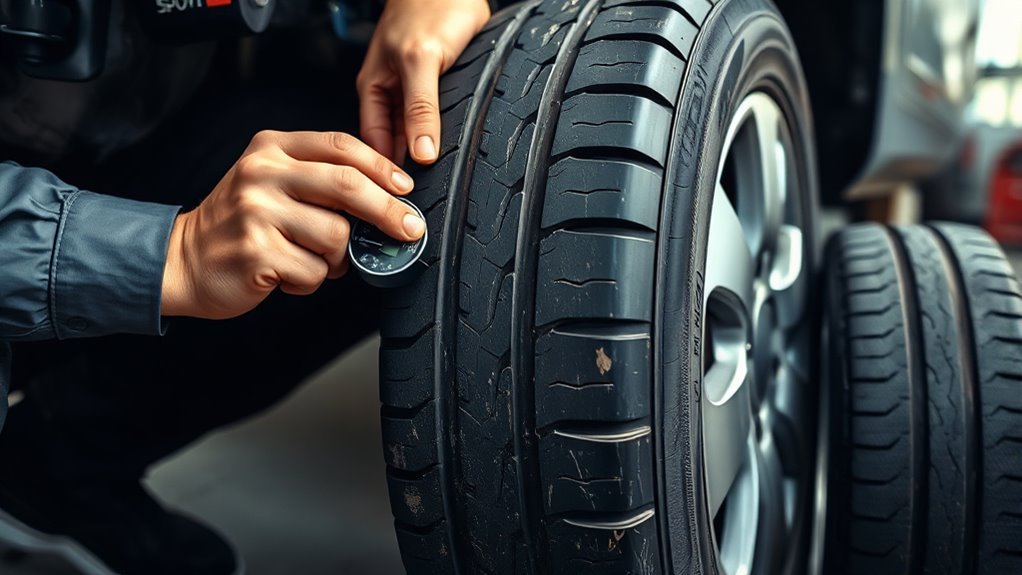
One of the clearest signs that it’s time for new tires is low tread depth. Your tread helps your car grip the road, shed water, and stop safely. In most states, 2/32 of an inch is the legal minimum, but you shouldn’t wait that long.
Once tread drops to 4/32, wet-road traction starts to decline. And at 3/32, stopping distances can increase noticeably.
Use the penny test: if you can see all of Lincoln’s head, your tread is too low. You can also check the built-in tread wear bars across the grooves for a quick visual guide.
Make sure to measure all four tires since tread can wear unevenly over time.
If you drive often in rain or snow, replace tires earlier. It’ll give you better control and peace of mind overall.
What Tire Damage Means You Need Replacement?
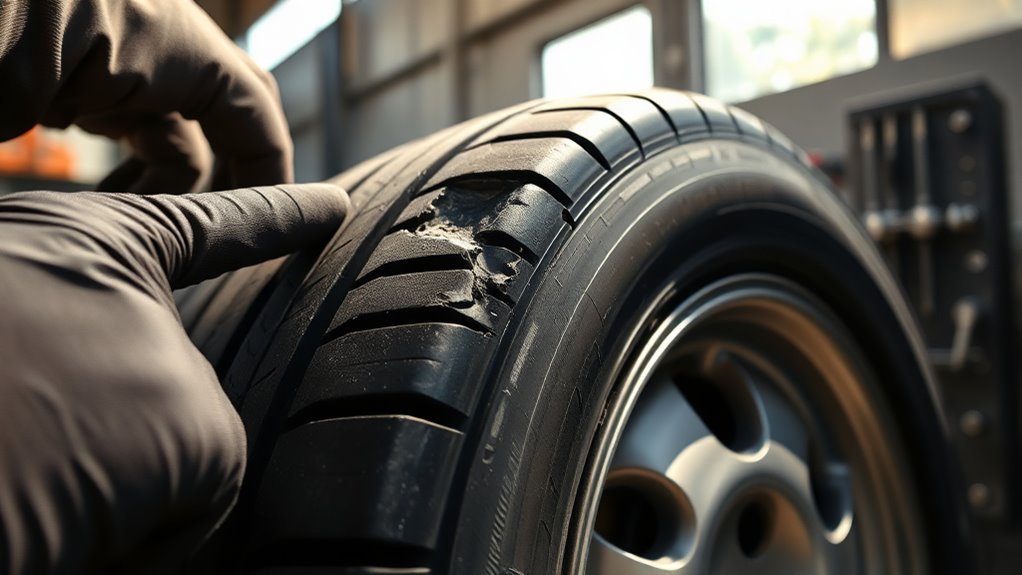
You can’t ignore visible tire damage, even if your tread still looks acceptable.
If you spot sidewall cracks, bulges, punctures, or signs of tread separation, you may need a replacement right away. These problems can weaken your tire’s structure and raise your risk of a blowout on the road.
It’s better to be safe and get your tires checked as soon as you notice any of these issues. Don’t wait until something goes wrong while you’re driving!
Sidewall Cracks And Bulges
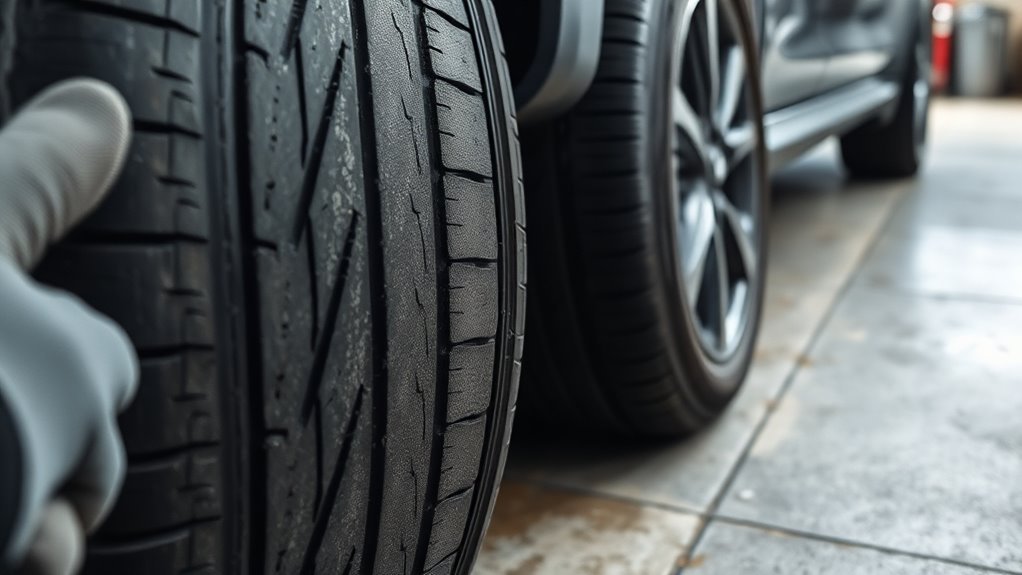
Often, sidewall cracks and bulges signal damage that can’t be safely repaired and usually mean it’s time to replace the tire. If you notice spiderweb-like cracking, the rubber has likely dried out from age, heat, or sun exposure.
A bulge usually means the internal structure has weakened after impact, even if the outer rubber still looks intact. Driving on either condition raises the risk of a sudden blowout.
- Cracks along the sidewall often show aging and lost flexibility.
- Bulges or bubbles can mean hidden internal cord damage.
- Fast replacement helps protect your handling, braking, and safety.
You shouldn’t ignore these warning signs or hope they’ll stay the same. Check all four tires regularly, and replace any tire with visible sidewall cracking or bulging right away for safer driving.
Punctures And Tread Separation
Punctures and tread separation call for the same level of attention because both can quickly turn a safe tire into a hazard. If you pick up a nail or screw, don’t assume every puncture can be patched. Damage in the sidewall or shoulder usually means you need a replacement, not a repair.
Tread separation is even more serious. If you notice peeling rubber, a raised section, vibration, or thumping while you drive, your tire may be coming apart internally. That failure can lead to a blowout with little warning.
You shouldn’t keep driving on it, even for short trips. Check all four tires after any impact or sudden change in handling. When you see exposed cords, deep punctures, or separating tread, replace the tire immediately to stay safe on the road.
How Old Is Too Old for Tires?
Even if your tires still have tread, their age can make them unsafe. You should check the manufacture date because most tires have a limited service life. Waiting too long raises your risk of failure.
You’ll also want to watch for dry rot, like cracks in the sidewall or tread. Those signs mean it’s time to replace them. So, keep an eye out and don’t wait too long!
Tire Age Limits
Although tire tread gets most of the attention, age matters just as much because rubber breaks down over time, even if you don’t drive much. Most manufacturers suggest closer inspection after six years, and many recommend replacement by ten years, regardless of mileage.
Heat, sunlight, and long periods of parking can shorten that timeline, so your climate and driving habits matter.
- Check the DOT date code on the sidewall to find the tire’s birth week and year.
- Ask your mechanic to inspect older tires during routine service visits.
- Replace any tire that exceeds the vehicle or tire maker’s age guidance.
You shouldn’t assume a low-mileage vehicle has safe tires. If your tires are aging out, replacing them helps protect handling, braking, and overall safety on every trip you take.
Signs Of Dry Rot
Age limits give you a general replacement window, but dry rot shows you when rubber has started to fail in real time. Check your sidewalls and tread for small cracks, fading, or a brittle, chalky look.
Those signs mean oils in the rubber are drying out, which weakens the tire even if tread depth still seems acceptable.
You might also notice chunks missing near the tread blocks, cracks between grooves, or a rough texture around the bead. Dry rot often develops faster if your car sits for long periods, faces intense sun, or runs low air pressure.
If you see cracking that’s deep, widespread, or exposing cords, don’t keep driving on it. Replace the tire promptly, and inspect the others, since age and storage conditions usually affect the whole set.
What Driving Signs Point to Worn Tires?
Often, your car will tell you a lot about tire wear before you spot the damage yourself. If your steering wheel vibrates at highway speeds, your tires may have uneven tread or internal damage.
If your car pulls to one side, worn tread can reduce grip and stability. Longer stopping distances, especially on wet roads, also signal declining traction.
Notice a humming or thumping sound that gets louder as you drive. Pay attention if your ride feels rougher or less controlled in turns.
Watch for slipping, skidding, or delayed braking in rain. You should also trust changes in handling.
If your vehicle feels less responsive, fishtails easily, or struggles to maintain traction during quick maneuvers, worn tires may be the cause. Don’t ignore those warning signs for safety.
Should You Replace One Tire or All Four?
How many tires you should replace depends on tread wear, your drivetrain, and the tire maker’s guidance. If one tire gets damaged but the others still have deep, even tread, you may replace just one on some two-wheel-drive vehicles. Match the brand, model, size, and speed rating.
If tread differences are too large, your car may pull, handle poorly, or stress drivetrain parts. On all-wheel-drive vehicles, uneven tire circumference can overwork the system, so you’ll often need four new tires, or a shaved replacement that matches the others.
If two tires are worn, replace them as a pair and install the new pair on the rear for better stability, unless your owner’s manual says otherwise. When in doubt, ask a tire professional first. Better safe than sorry, right?
Frequently Asked Questions
Can Mixing Tire Brands Affect Vehicle Handling and Warranty Coverage?
Yes, mixing tire brands can affect your vehicle’s handling because tread patterns, compounds, and construction differ. You may notice uneven grip or stability.
Also, you could risk warranty issues if your manufacturer requires matching tires. It’s something to keep in mind before swapping out just one or two tires.
Do Winter Tires Need Different Air Pressure Than All-Season Tires?
No, you usually don’t need different pressures for winter tires than all-season tires; you should follow your vehicle’s door-jamb recommendation.
Since cold weather drops pressure, you’ll need to check and adjust them more often. It’s just about keeping an eye on it to make sure your tires stay properly inflated.
How Should Unused Spare Tires Be Stored to Prevent Deterioration?
Out of sight, out of mind. You should store unused spare tires in a cool, dry, dark place, away from sunlight, heat, ozone sources, and chemicals.
Keep them clean, bagged airtight, upright, and off concrete. This helps prevent any damage or deterioration over time.
It’s pretty simple, but these steps really make a difference in keeping your tires in good shape until you need them.
What Do Tire Load Index and Speed Rating Numbers Mean?
Tire load index numbers tell you how much weight each tire can safely carry. Speed ratings show the maximum speed you’ll handle safely.
You shouldn’t exceed either, and you’ll find both on sidewalls. It’s pretty straightforward once you know what to look for!
Can Wheel Alignment Problems Shorten the Lifespan of New Tires?
Yes, wheel alignment problems can shorten your new tires’ lifespan by causing uneven tread wear, dragging, and heat buildup.
If you correct alignment early, you’ll protect handling, improve fuel economy, and help your tires last longer.
It’s really worth fixing alignment issues as soon as you notice them to keep everything running smoothly.
Conclusion
Your tires do more than keep you rolling—they protect every mile you drive. If the tread’s low, the rubber’s aging, or you notice cracks, vibration, or slipping, don’t wait to replace them.
One eye-opening fact: worn tires can increase stopping distance on wet roads by up to 87%, according to safety testing. That’s a huge difference when seconds count.
Stay alert, check your tires often, and you’ll drive safer, smoother, and with a lot more confidence every day. Remember, getting new tires at the right time isn’t just about comfort—it’s about your safety on the road. So, keep an eye on tread depth, tire condition, and any unusual signs. Replacing tires when needed ensures better traction, reduces the risk of accidents, and improves overall vehicle performance. Don’t overlook your tires—they’re one of the most important parts of your car for safe driving.