What Are Beam Wiper Blades?
Beam wiper blades are low-profile windshield wipers designed to give your car a cleaner, clearer view. They use a single flexible strip combined with an internal spring rail, which helps the blade hug your windshield more evenly than traditional framed blades.
This means you get steadier pressure across the entire blade, reducing annoying chatter, skips, and streaks.
These blades are great at resisting ice, snow, and wind lift, especially when you’re driving at highway speeds. Because they conform well to curved windshields, beam wiper blades can really improve your visibility during bad weather.
If you want to learn more about how they work and why they might be a good upgrade for your vehicle, keep reading!
Key Takeaways
- Beam wiper blades are modern, low-profile windshield wipers with a single flexible strip and internal spring rail. They hug the glass more evenly, providing consistent pressure across curved windshields.
- Their one-piece design reduces exposed joints, which helps resist ice buildup, chatter, and debris collection. This makes them more reliable in tough weather conditions.
- Beam blades often improve wiping performance in rain, snow, and at highway speeds by reducing lift and streaks. You’ll likely notice clearer visibility when using them.
- Proper size and fit really matter, so be sure to match the blade length and attachment style to your vehicle’s requirements. That way, you get the best performance and a secure fit.
What Are Beam Wiper Blades?

Beam wiper blades are a modern type of windshield wiper designed to hug the glass more evenly than traditional frame-style blades. You’ll usually notice they have a sleek, low-profile look that helps them sit closer to your windshield.
Unlike older designs with many exposed joints, these blades use a simpler structure that gives you a cleaner appearance and often better contact across the glass. When you choose them, you’re picking a style built for many vehicles, especially those that need a more streamlined fit.
They also tend to resist snow, ice, and debris buildup better than bulkier wipers. If you want a straightforward upgrade, beam wiper blades give you a practical option that can improve visibility and keep your windshield looking neat.
How Beam Wiper Blades Work
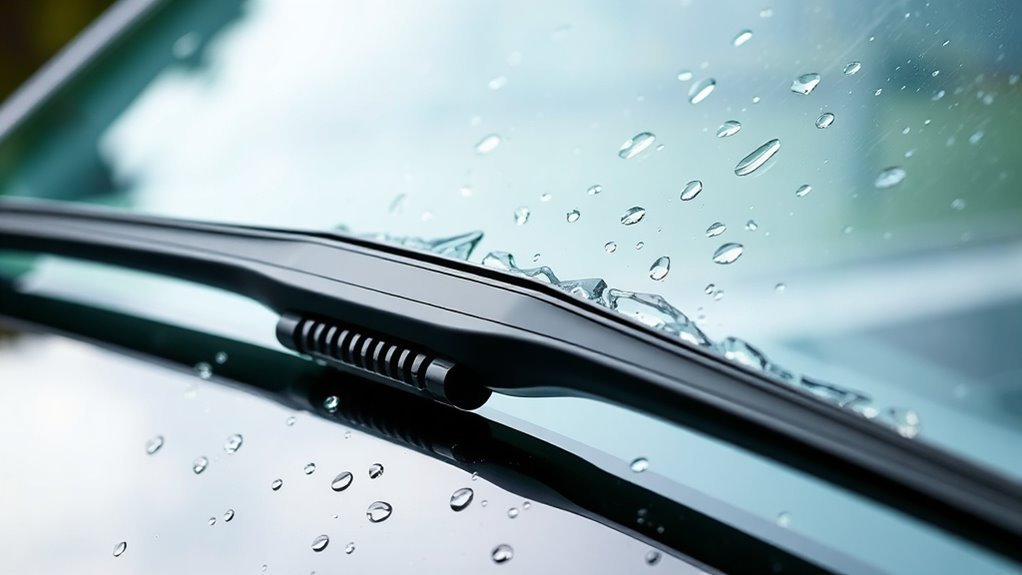
Instead of relying on a metal frame with several pivot points, beam wiper blades use a single flexible strip that follows the curve of your windshield. You’ll notice an internal spring rail applies steady pressure across the entire blade, so it presses evenly as it moves.
This design helps you clear water, snow, and road grime with fewer streaks. Plus, the blade’s low-profile shape lets air pass over it smoothly, which keeps it planted at higher speeds.
| Part | What it does | Result |
|---|---|---|
| Rubber edge | Sweeps glass | Cleaner view |
| Flex beam | Shapes to glass | Even contact |
| Spring spine | Maintains pressure | Consistent wiping |
When the motor drives the arm, the blade glides in one smooth pass. That gives you reliable visibility no matter how the weather changes.
Beam Wiper Blades vs. Traditional Blades

When you compare beam wiper blades with traditional blades, the biggest difference is in how they press against your windshield. Traditional blades use a metal frame with several pressure points, while beam blades use a single flexible design that follows the glass more closely.
You’ll usually notice that traditional blades can lift, chatter, or leave spots when the frame flexes or wears out. Beam blades don’t rely on that frame, so they look sleeker and fit more snugly.
You also won’t have to deal with exposed joints that can collect dirt or ice as easily. If you want a simpler, more streamlined wiper style, beam blades give you a modern alternative to the older framed design you’re probably used to.
Why Beam Blades Perform Better
You’ll notice beam blades press evenly across the windshield, so they clear more consistently than older designs. That even pressure helps them stay in full contact with the glass, even on curved surfaces.
As a result, you get better wiping performance in rain, snow, and other tough conditions. It’s pretty simple—beam blades just do a better job keeping your view clear when the weather gets rough.
Even Pressure Distribution
Beam wiper blades stand out because they spread pressure evenly across the windshield, helping the rubber contact glass more consistently from end to end. You get this balanced force from their flexible frame, which lets the blade keep steady tension instead of relying on a few hard points.
That means you won’t see one section pressing too lightly while another pushes too hard. The result is smoother wiping action across the full sweep of your windshield.
When pressure stays uniform, the blade can clear water, dirt, and light debris with fewer skips and streaks. You also reduce uneven wear on the rubber, so the blade keeps performing better over time.
If you want a cleaner, more reliable wipe, even pressure distribution makes a real difference.
Better Windshield Contact
Better windshield contact is one of the main reasons beam wiper blades work so well. You get a closer, more consistent sweep because the blade follows the glass instead of riding on a hinged frame.
Its flexible design lets it hug the windshield’s curve from edge to edge, so you don’t see missed spots or streaky arcs. That tighter fit helps the rubber edge stay aligned as it moves, which means the blade wipes more of the surface in a single pass.
You’ll notice cleaner visibility because the blade doesn’t lift or twist as easily under pressure. When your wipers stay matched to the glass, you get a smoother wipe and a clearer view every time you turn them on.
Improved All-Weather Performance
When weather turns rough, beam wiper blades keep working more reliably than traditional framed blades. You get steadier wiping in rain, sleet, snow, and road spray because the blade flexes evenly across the glass.
Its one-piece design resists ice buildup, so it doesn’t lose pressure the way exposed joints can. You also benefit from smoother motion in high winds, which helps reduce chatter and streaking at highway speeds.
In freezing conditions, beam blades keep the rubber planted against the windshield instead of lifting or skipping. In heavy rain, they clear water faster, so your view stays sharper.
That consistent performance means you can drive with more confidence when the forecast changes fast. And you won’t have to fight your wipers to see clearly.
When Beam Wiper Blades Are Worth It
Beam wiper blades are worth it when you face heavy rain, snow, or ice and need steady, reliable clearing. You’ll also notice the upgrade if you drive at highway speeds, since they stay planted better and wipe more smoothly.
If your windshield has a curve, beam blades can match it more closely and give you more even contact across the glass. It’s a small change that makes a big difference in how well you see.
Harsh Weather Performance
In harsh weather, beam wiper blades can be worth the upgrade because their one-piece design keeps steady pressure on the windshield when rain, snow, sleet, or road spray would cause traditional blades to lift, chatter, or streak. You’ll notice better contact across curved glass, so the blades clear water more evenly and leave fewer blind spots.
Their flexible frame also helps shed slush and ice buildup instead of trapping it in exposed joints. If you drive through freezing rain, heavy downpours, or messy winter roads, that reliable wipe can make a real difference in visibility and confidence.
You still need a clean windshield and proper washer fluid, but beam blades give you a stronger chance of seeing clearly when the weather turns ugly. It’s a simple upgrade that can really pay off when conditions get tough.
High-Speed Stability
At highway speeds, beam wiper blades can stay planted better than many traditional blades because their one-piece design and consistent pressure help resist wind lift. You notice the difference when rain hits hard and fast: the blade keeps sweeping evenly instead of fluttering or skipping across the glass.
That steady contact gives you a clearer view, which matters when traffic is moving quickly and visibility drops. Because beam blades flex as a unit, they’re less likely to bounce at higher speeds, so you get more predictable wiping.
If you drive on open roads often, this stability can be worth the upgrade. You’re not just buying durability; you’re buying confidence when speed, water, and airflow all work against your windshield.
Curved Windshields
Curved windshields can make some wiper blades lose even contact near the edges, but beam wiper blades are built to flex along the glass and keep pressure more consistently across that shape.
You’ll notice the difference when rain beads at the corners and standard frames skip spots. Beam blades follow the arc, so you get smoother wiping and fewer streaks.
| Curve trait | Beam blade benefit |
|---|---|
| Deep sweep | Better edge contact |
| Sloped glass | Even pressure |
| Wide windshield | Cleaner pass |
| Low drag | Less lift |
| Winter buildup | Reduced clogging |
If your windshield has a pronounced curve, you’ll likely benefit from this design. You’ll get more reliable visibility, especially during heavy rain, snow, or highway driving.
How to Choose the Right Beam Wipers
Choosing the right beam wiper blades starts with getting the exact size your vehicle needs, since even a small mismatch can hurt visibility and performance. Check your owner’s manual or use an online fit guide, and confirm both blade lengths match your driver and passenger sides.
Next, look at your windshield shape and climate. Beam wipers handle curved glass well, and they often perform better in snow, rain, and road grime.
You should also inspect the attachment style, because the connector must lock in securely. If you drive in harsh weather, choose blades with a durable rubber or silicone edge and a low-profile frame.
Finally, replace both blades at the same time so you keep even pressure, quiet operation, and clear, streak-free wiping. It’s a small step that makes a big difference!
Frequently Asked Questions
How Long Do Beam Wiper Blades Typically Last?
Typically, you’ll get 6 to 12 months from beam wiper blades.
Why wait until streaks appear? You should replace them sooner if they squeak, skip, or leave spots, especially in harsh weather.
Are Beam Wiper Blades Compatible With All Vehicles?
No, you can’t assume beam wiper blades fit every vehicle. You’ll need the correct size and adapter for your specific make, model, and wiper arm type.
Do Beam Wiper Blades Make More Noise in Heavy Rain?
No, you usually won’t hear more noise in heavy rain; you’ll often hear less. You can get better contact and smoother wiping.
That said, worn blades or dirty glass can still cause chatter and squeaks sometimes. So, it’s always good to keep your wipers and windshield clean for the best performance.
Can Beam Wiper Blades Be Installed Without Special Tools?
Yes, you can usually install them without special tools. Like slipping on a raincoat before a storm, you’ll just unclip the old blade and snap the new one into place.
It’s pretty straightforward, thanks to your vehicle’s simple connector design. No need to stress or hunt for extra gear!
Are Beam Wiper Blades More Expensive Than Regular Wipers?
Yes, you’ll usually pay more for beam wiper blades than regular wipers, because they use a sleeker design and better performance.
You may save money long term if they last longer and clear better. It’s kind of like paying a bit extra upfront for something that works smoother and sticks around.
Conclusion
When you choose beam wiper blades, you’re giving your vehicle a cleaner, steadier touch on the road ahead. They hug the windshield with quiet confidence, helping you see clearly when the weather turns unkind.
If your current blades have started to lose their grace, this upgrade can feel like a small change with a big payoff. In the end, you’re not just replacing a part—you’re helping your drive stay safer, smoother, and a little more composed.
Beam wiper blades are designed to provide consistent pressure across the windshield, which means better wiping performance and less streaking. They are flexible and contour to the shape of your windshield, making them ideal for all weather conditions.
Choosing beam wiper blades improves visibility during heavy rain, snow, or fog, enhancing your safety on the road. So, upgrading to beam wiper blades isn’t just about maintenance—it’s about investing in a safer, clearer, and more comfortable driving experience every time you get behind the wheel.