What Is a Beam Wiper Blade?
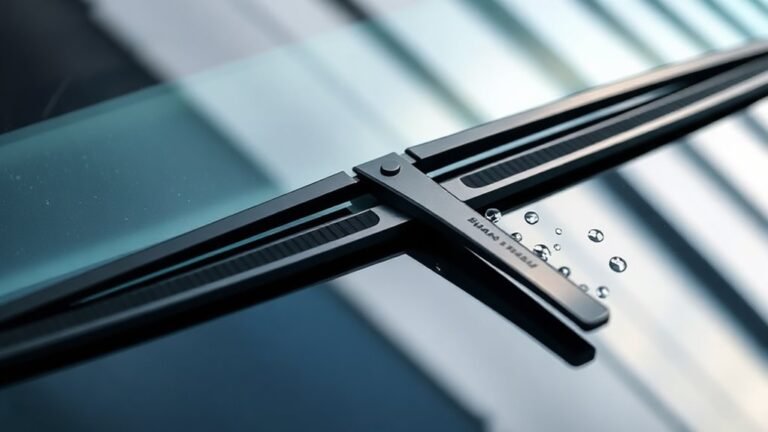
A beam wiper blade is a one-piece windshield wiper that uses a flexible steel spine to press the rubber edge evenly against your glass. This design gives you a sleeker look compared to a traditional framed blade. Plus, it provides steadier contact on curved windshields, which is a big win.
Because of its design, beam wiper blades help reduce chatter, streaking, and lift when you’re driving through rain, snow, or road spray. They’re a smart upgrade for many vehicles looking for better performance and durability.
If you keep reading, you’ll see how beam wiper blades work and learn when it’s time to replace them. It’s pretty simple but makes a noticeable difference in your driving experience.
Key Takeaways
- A beam wiper blade is a one-piece windshield wiper that presses evenly against the glass. Its flexible spring steel design follows the windshield’s curve for better contact.
- Beam blades reduce streaking, chatter, and skipped spots compared with traditional framed wipers. They have fewer joints and a sleeker, lower-profile look that resists debris buildup.
- Beam wiper blades often perform better in rain, snow, and at higher driving speeds. So, if you want reliable wiping in tough conditions, these might be the way to go.
What Is a Beam Wiper Blade?

A beam wiper blade is a one-piece windshield wiper designed to press evenly against the glass for a smoother, more consistent wipe. You’ll notice it looks sleeker than traditional framed blades because it uses a flexible design instead of a bulky metal structure.
That shape helps you keep your windshield clear while reducing chatter, streaking, and visible gaps. You can choose beam blades for a cleaner appearance and dependable everyday performance.
They’re common on modern vehicles, but you can also use them as an upgrade on many older cars. If you want a wiper that feels refined and stays closely matched to your windshield’s curve, a beam wiper blade offers a simple, practical solution.
How Beam Wiper Blades Work

Beam wiper blades work by using a flexible spring steel spine or tensioned beam to press the rubber edge evenly across your windshield. You get steady contact because the blade bends to match the glass curve, so it can sweep water, snow, and grime with less skipping.
When your wiper arm moves, the internal frame distributes pressure along the whole length, helping the rubber stay planted at every point. That consistent force improves visibility in rain and reduces streaking.
| Part | Job | Result |
|---|---|---|
| Spine | Holds shape | Even pressure |
| Rubber edge | Clears water | Cleaner view |
| Beam design | Follows glass | Smooth wipe |
You’ll notice the blade keeps contact better at higher speeds and in changing weather, so your drive feels safer and more controlled.
Beam Wiper Blade vs. Traditional Wipers
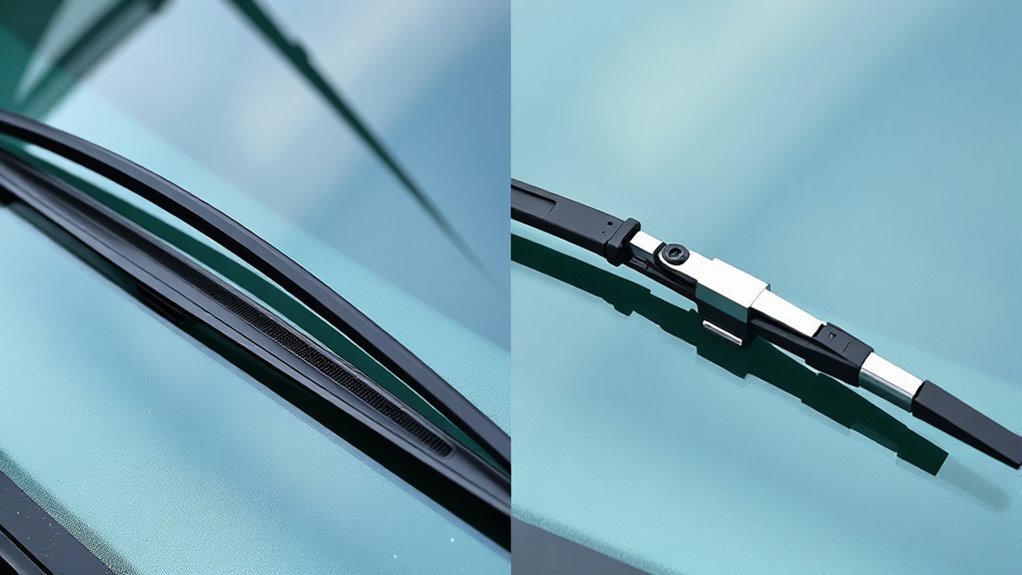
When you compare beam wiper blades with traditional wipers, you’ll notice a key design difference: beam blades use a flexible one-piece frame, while traditional wipers rely on a hinged metal structure. That design helps beam blades maintain more even pressure on your windshield, which can improve contact and wiping performance.
You may find that beam blades handle rain, snow, and curved glass better than older-style wipers. They’re pretty good at adapting to different conditions, making them a solid upgrade if you want clearer visibility.
Design Differences
Unlike traditional wipers that use an external metal frame with multiple pressure points, beam wiper blades rely on a one-piece, curved spring steel design that hugs the windshield more evenly. You’ll notice fewer joints, hinges, and exposed parts, which gives the blade a sleeker, lower-profile look.
The rubber edge sits inside a flexible beam instead of hanging from a rigid frame, so the whole assembly feels simpler. That streamlined shape also lets manufacturers build in a built-in spoiler and integrated connector.
- No bulky frame to trap debris
- Fewer moving parts to inspect
- A smoother, unified blade profile
Performance Comparison
In everyday driving, beam wiper blades often outperform traditional wipers because their flexible, one-piece design maintains more even contact across the windshield, especially in rain, snow, and at higher speeds. You’ll usually notice fewer streaks, less chatter, and steadier clearing when weather turns rough.
Traditional wipers can lift at the edges, and their exposed frames may collect ice or debris, which weakens wiping performance. Beam blades also press more consistently on curved glass, so you get better visibility with less effort.
If you drive in mixed conditions, that improved contact can make a real difference. Traditional blades still work well in mild weather, but beam wipers tend to last longer and deliver more reliable results when conditions get demanding.
How Beam Wiper Blades Improve Wet-Weather Performance
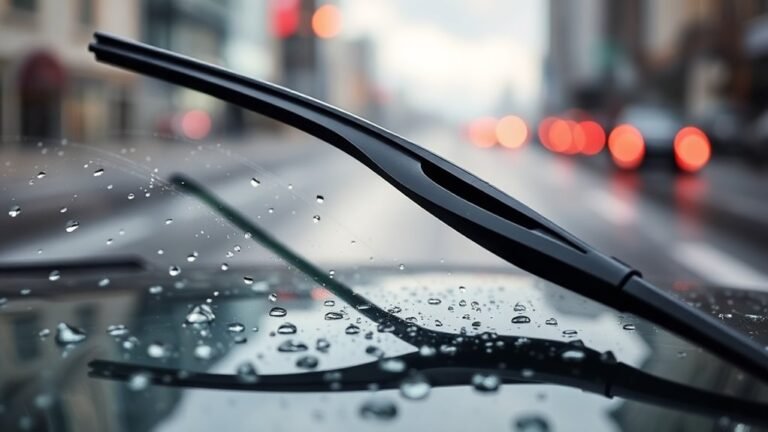
As rain builds up on the windshield, beam wiper blades keep maintaining even pressure across the glass, which helps them clear water more consistently than traditional framed blades.
You get steadier contact because the blade’s flexible spine follows the windshield’s curve and resists lift at speed. That means fewer streaks, less chatter, and better visibility when the weather turns rough.
- You’ll notice the blade wipes more evenly across the full sweep.
- You’ll get stronger contact in heavy rain, so water clears faster.
- You’ll keep clearer sightlines in wind, where ordinary blades can flex away.
Because beam designs spread force smoothly, they help you drive with more confidence in wet conditions, especially during sudden downpours or highway spray.
When to Replace a Beam Wiper Blade
You should replace your beam wiper blade when you see visible wear like streaking, skipping, cracking, or torn rubber. If the blade starts missing spots or making noise, it’s no longer clearing your windshield well.
Many drivers also swap them seasonally, especially before heavy rain or winter weather hits. It just makes sense to keep your view clear when the weather turns rough.
Visible Wear Signs
Most beam wiper blades give clear warning signs before they fail. You’ll usually notice streaks, skipped patches, or a hazy film that doesn’t clear after several passes.
If the blade chatters, squeaks, or hops across the glass, the rubber may be worn, hardened, or uneven. You should also check for visible damage on the blade itself.
- Cracked or split rubber: tiny tears can quickly spread and reduce contact.
- Bent frame or warped beam: the blade won’t press evenly, so water stays behind.
- Loose, peeling, or missing rubber edges: exposed areas can’t wipe cleanly and may scratch the windshield.
When you see these signs, replace the blade soon. Waiting too long can reduce visibility and make wet driving more stressful and unsafe.
It’s better to be safe than sorry, right? A quick blade swap can make a big difference out there.
Seasonal Replacement Timing
Those wear signs often show up just when the seasons start changing, and that’s usually your cue to replace the blade.
You should plan ahead before winter slush, spring pollen, or summer heat beats up the rubber. If you drive through extreme weather, swap them every six to twelve months.
Check them at each season change, especially after heavy storms or long dry spells.
| Season | What to Do |
|---|---|
| Winter | Replace before ice and road salt |
| Spring | Check after pollen and rain |
| Summer | Inspect for heat cracking |
| Fall | Replace before cold snaps |
| Year-round | Change at the first streaks |
Fresh blades help you keep a clear view and reduce glare, smearing, and skipping. It really makes a difference when you’re driving in tough weather.
How to Choose the Right Beam Wiper Blade
Choosing the right beam wiper blade starts with getting the correct size for your vehicle. Even a high-quality blade won’t perform well if it doesn’t match the windshield.
Check your owner’s manual or measure the old blade, then confirm the connector type before you buy. You should also compare blade materials, because rubber, silicone, and coated designs each handle weather differently.
- Pick the exact length for each side.
- Match the attachment style to your wiper arm.
- Choose a blade built for your climate and driving habits.
If you drive in heavy rain, snow, or road salt, select a beam wiper blade with a durable frame and even pressure across the glass. That way, you get quieter, cleaner wipes and better visibility every time.
Frequently Asked Questions
Do Beam Wiper Blades Work in Heavy Snow and Ice?
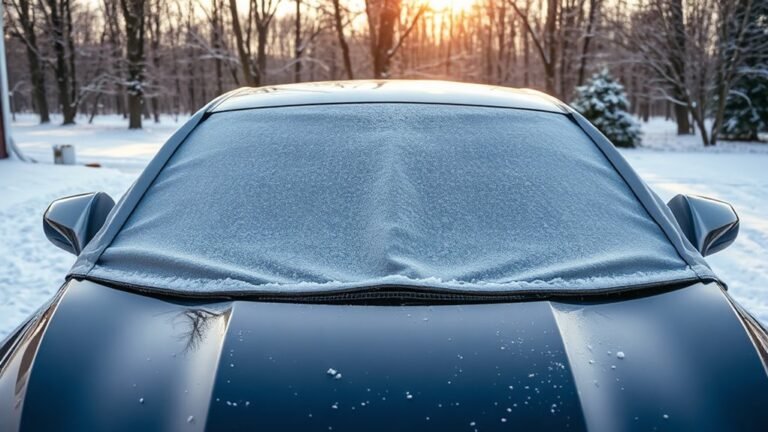
Yes, they can work better than traditional blades in heavy snow and ice, but you’ll still need to clear buildup regularly. Their flexible design helps a lot.
That said, extreme freezing can still reduce performance and visibility. So, it’s good to keep an eye on them and clear any heavy buildup when you can.
Are Beam Wiper Blades Compatible With All Vehicle Models?
Not always—your vehicle’s arm style, blade length, and connector type must match.
Check your owner’s manual or fitment guide; otherwise, why imagine a flawless swipe when the wrong blade can leave streaks?
How Do I Install Beam Wiper Blades Myself?
You can install beam wiper blades yourself by lifting the arm and releasing the old blade. Next, attach the new adapter and snap it in place.
After that, simply lower the arm and test the blades carefully. It’s pretty straightforward once you get the hang of it!
Can Beam Wiper Blades Reduce Windshield Streaking?
Yes, you can reduce streaking with beam wiper blades. They hug your windshield more evenly, so you’ll likely see cleaner swipes.
That is, unless the glass’s dirty, the rubber’s worn, or you’ve installed them incorrectly. Those things can still cause streaks despite the blades.
Do Beam Wiper Blades Last Longer in Extreme Heat?
Yes, you’ll usually get longer life from beam wiper blades in extreme heat because they resist warping and cracking better.
Still, sun and high temperatures can shorten any blade’s lifespan, so you should inspect them regularly.
It’s a good idea to keep an eye on how they’re holding up, especially if you live somewhere really hot. That way, you can swap them out before they start messing with your visibility.
Conclusion
So, when you choose a beam wiper blade, you’re giving your windshield a sleek little shield that clings like a champ and wipes away rain with near-superhero precision. Unlike old-school wipers that can flop and skip, these curve-hugging blades sweep smoothly across your glass.
They help you see clearly in a downpour that feels bigger than a splash zone. When yours start streaking or squeaking, replace them fast and keep your view crystal clear.
Beam wiper blades are designed to provide consistent pressure along the entire blade, ensuring a spotless wipe every time. This makes them perfect for tough weather conditions where visibility is key. So, upgrading to beam wiper blades means safer driving with a streak-free windshield, even in heavy rain or snow. Don’t wait for your old blades to fail—switch to beam wiper blades and enjoy clearer, safer drives every day.