How Often Should You Get Tires Rotated?
You should rotate your tires every 5,000 to 7,500 miles to keep them in good shape. Your owner’s manual might suggest a different interval, so it’s worth checking that too. Tire rotation is key for even wear, better handling, and improved traction.
If you often drive in stop-and-go traffic, haul heavy loads, tow frequently, or travel on rough roads, you might need to rotate your tires more often. Regular rotation can really extend the life of your tires and save you money in the long run.
Keep an eye out for uneven tread wear, vibrations, or if your car pulls to one side. These signs show why using the right rotation pattern matters just as much as how often you do it. Taking a little time for tire care goes a long way!
Key Takeaways
- Rotate tires every 5,000 to 7,500 miles, or follow your owner’s manual if it recommends differently. It’s a good idea to keep an eye on what your car’s guide suggests.
- Try to match tire rotations with oil changes. Doing both at the same time makes maintenance easier and helps you stay consistent.
- If you often drive in stop-and-go traffic, haul heavy loads, or hit rough roads a lot, consider rotating your tires sooner. These conditions can wear your tires out faster.
- Rotating your tires prevents uneven wear, improves handling, and helps your tires last longer. It’s a simple step that goes a long way.
- Watch out for signs like uneven tread, vibrations, pulling to one side, or extra noise. These might mean you need to rotate your tires earlier than planned.
How Often Should You Rotate Tires?
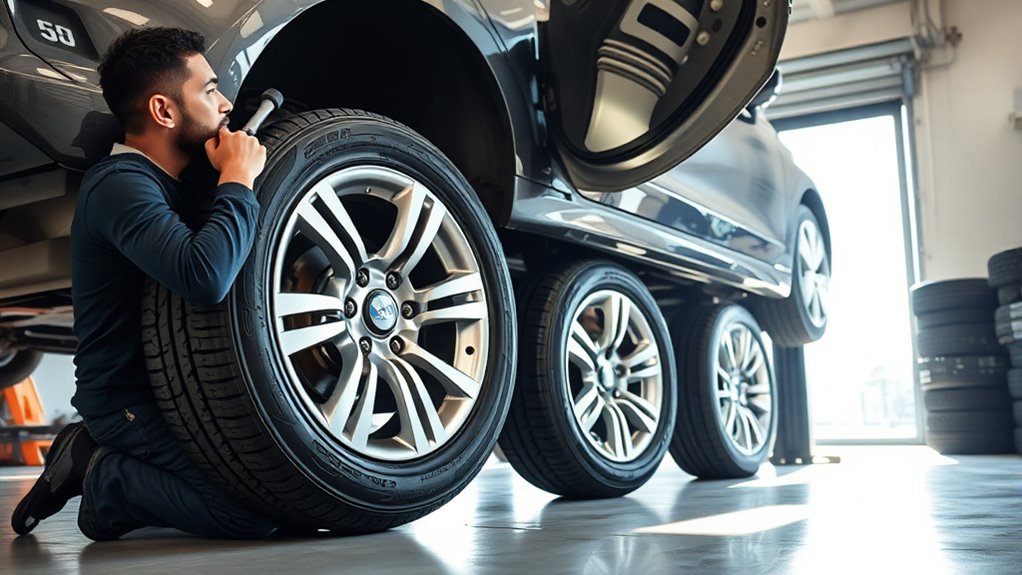
Most drivers should rotate their tires every 5,000 to 8,000 miles, though your owner’s manual may recommend a different interval. You can often match this schedule with each oil change, which makes it easier to remember.
If you drive mostly on highways, your tires may wear more evenly, but you still shouldn’t skip routine rotations. On the other hand, if you commute in stop-and-go traffic, tow heavy loads, or drive on rough roads, you might need to rotate them more often.
Check your manual for your vehicle’s specific guidance, and follow any mileage or time limits it lists. If you’re unsure, just ask a trusted mechanic to inspect your tires and help figure out the best rotation schedule for your driving habits and tire type.
Why Tire Rotation Matters
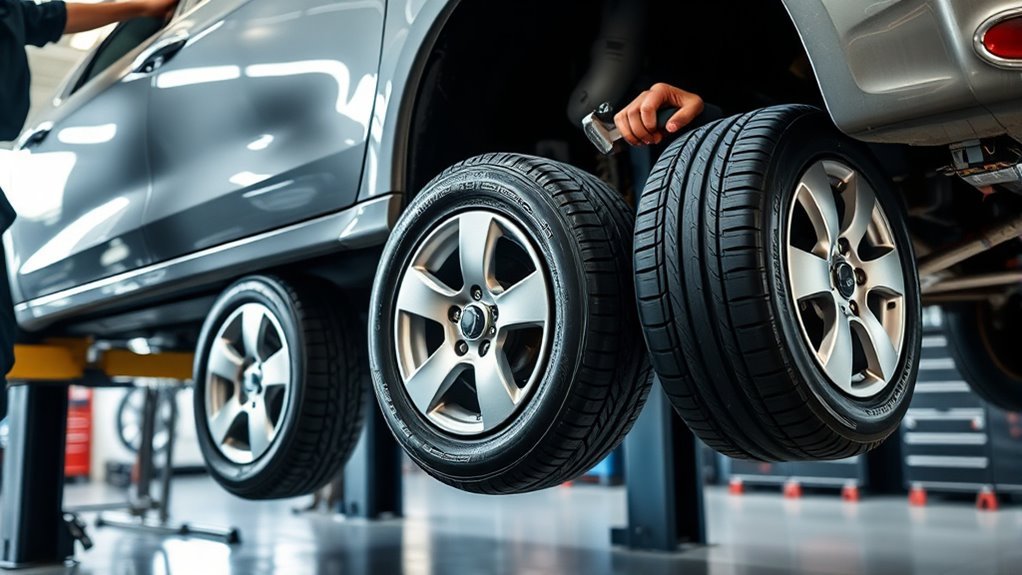
Tire rotation matters because it helps your tires wear more evenly, which can improve handling, traction, and overall safety. When you rotate them, you spread the load across all four tires instead of letting one pair take the hardest hit.
That balance can help you keep better control in turns, braking, and wet conditions. It can also extend tire life, so you get more value from your investment.
Uneven wear can make your ride noisier and less comfortable, too. By staying on top of rotation, you give your vehicle a better chance to perform the way it should.
It’s a simple maintenance step, but it plays a big role in keeping you safer and your tires working properly.
What Changes Your Tire Rotation Interval
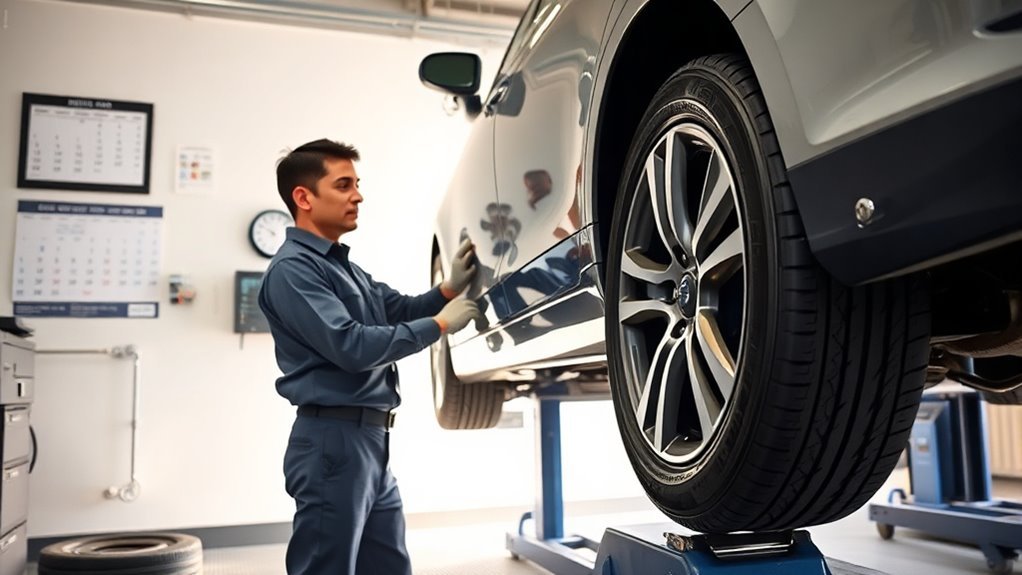
Your tire rotation interval can change based on how you drive, the type of vehicle you own, and the roads you face.
If you spend a lot of time in stop-and-go traffic, tow heavy loads, or drive a performance vehicle, you’ll likely need rotations more often.
You should also watch your tire wear patterns, since uneven wear can signal it’s time to rotate sooner. Keep an eye on those tires!
Driving Conditions
If you drive in stop-and-go traffic, haul heavy loads, or spend a lot of time on rough roads, your tires can wear unevenly faster and may need rotation sooner than the standard interval. Frequent braking and accelerating put extra stress on the front tires, while potholes, gravel, and construction zones can speed up wear on every tire.
Hot weather and long highway trips can also affect tread life, especially if you drive aggressively. It’s a good idea to check your tires regularly for uneven wear, vibration, or low tread. Don’t just rely on mileage alone to decide when to rotate.
When your driving conditions are tough, rotating sooner helps balance wear, improve traction, and extend tire life. If you notice rapid wear, make sure to follow the maintenance schedule in your owner’s manual closely.
Vehicle Type
Vehicle type also plays a big role in how often you should rotate your tires. If you drive a front-wheel-drive car, the front tires usually take more stress from steering, braking, and power delivery, so you’ll often need rotations sooner.
Rear-wheel-drive and all-wheel-drive vehicles can also wear tires differently, especially when weight and traction demands shift across all four corners. Trucks and SUVs may need closer attention too, since heavier loads and towing can speed up tire wear.
Performance vehicles can be even more demanding because wider tires and aggressive setups often wear faster. Your owner’s manual gives the best interval for your specific vehicle, so check it before you guess.
Tailoring rotations to your vehicle type helps extend tire life and supports safer handling overall.
Tire Wear Patterns
Tire wear patterns can tell you a lot about when to rotate your tires, since uneven wear often means you need to do it sooner than the standard schedule. If you notice more wear on the front tires, shoulders, center, or one side, your tires aren’t sharing load evenly.
That can happen when you brake hard, carry heavy loads, drive in sharp corners, or keep improper pressure. You should check tread depth regularly and watch for cupping, feathering, or bald spots.
If one tire looks different from the others, rotate sooner and inspect alignment, balancing, and suspension. Catching these signs early helps you extend tire life, maintain traction, and avoid costly replacements.
If wear stays even, you can usually follow the normal interval. So, keep an eye on your tires and don’t wait too long to take action!
Which Tire Rotation Pattern Fits Your Drivetrain?
Your drivetrain helps determine the right rotation pattern for your tires. If you drive a FWD vehicle, a RWD vehicle, or an AWD vehicle, you’ll need a pattern that matches how your tires wear.
Choosing the correct pattern helps you get more even wear and better tire life. It’s all about making your tires last longer and perform better on the road.
Fwd Rotation Pattern
Front-wheel-drive cars usually use a forward tire rotation pattern because the front tires do most of the steering, braking, and power delivery. You move the front tires straight back to the rear axle, then cross the rear tires to the front.
This pattern helps spread wear more evenly, especially on vehicles that chew through front tread faster. By rotating this way, you can reduce uneven wear, improve traction, and extend tire life.
Check your owner’s manual before you start, since some tires, wheel sizes, or directional tread designs may require a different setup. If your tires show irregular wear, don’t wait for the next service interval.
Rotate them on schedule, inspect pressure, and keep your alignment in good shape. It’s all about staying ahead and keeping your ride smooth and safe.
Rwd Rotation Pattern
For rear-wheel-drive vehicles, the rotation pattern usually works in reverse from a front-wheel-drive setup: move the rear tires straight up to the front axle, then cross the front tires to the rear.
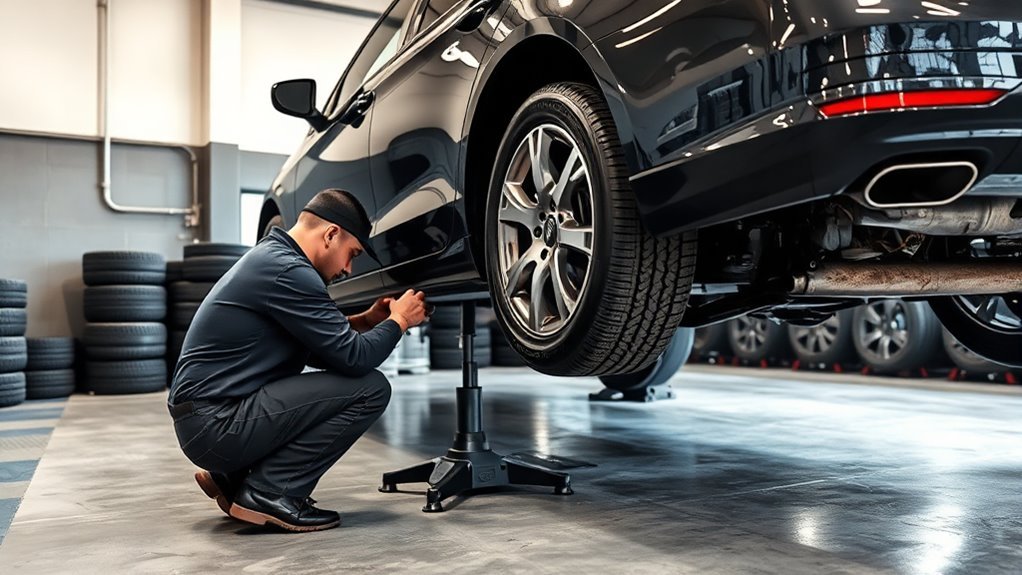
You’ll still need to match the pattern to your tire type and wear, but this layout helps even out the extra load on the rear pair. Follow these steps:
- Lift the vehicle safely and remove all four wheels.
- Send the rear tires to the front, same side.
- Cross each front tire to the opposite rear corner.
- Check pressure, tread depth, and torque before driving.
This pattern keeps wear balanced, improves handling consistency, and helps you get more miles from your set without overcomplicating routine maintenance.
Awd Rotation Pattern
All-wheel-drive vehicles usually need a rotation pattern that moves all four tires through every position to help balance wear across the drivetrain. You’ll usually follow a cross-rotation or a modified X pattern, depending on whether your tires are directional or staggered.
If your tires are non-directional, move the front tires to the rear on opposite sides and bring the rear tires forward. That helps even out wear from steering, braking, and power delivery.
If your tires are directional, keep each tire on the same side and swap front to rear. Check your owner’s manual before you rotate, because AWD systems can be sensitive to mismatched tread depths.
Rotating on time protects handling, reduces strain, and can help your tires last longer. It’s a simple step, but it really makes a difference in how your vehicle performs.
Signs Your Tires Need Rotation Sooner
If you notice uneven tread wear, vibration at highway speeds, or your car pulling to one side, your tires may need rotation sooner than the usual interval. Check them now if you spot:
- More wear on one edge than the rest
- A noisy ride that wasn’t there before
- Steering that feels off-center
- Tread depth differences between front and rear
These clues can point to uneven load distribution or alignment issues that wear tires faster. Don’t wait for the next scheduled service if the problem keeps getting worse.
Inspect all four tires, including the spare if you use it in rotation. A quick look can help you catch imbalance early and protect your tires from premature damage.
How to Get More Life From Tire Rotations
Once you’ve spotted uneven wear or other early warning signs, you can stretch the life of your tires by making each rotation count. Stick to your vehicle’s recommended pattern, because front-wheel, rear-wheel, and all-wheel-drive setups wear differently.
Ask your mechanic to inspect tread depth, air pressure, and alignment during each service so small problems don’t shorten tire life. Keep tires inflated to the listed PSI, since underinflation builds heat and overinflation reduces grip.
Rotate on schedule, usually every 5,000 to 7,500 miles, and don’t wait for visible damage. If you drive hard, haul heavy loads, or hit rough roads often, shorten the interval.
Consistent care helps each tire wear evenly, improve handling, and last as long as possible. So, keep an eye on your tires and rotate them regularly—it really makes a difference!
Frequently Asked Questions
Can Tire Rotation Affect Fuel Economy?
Yes, tire rotation can improve your fuel economy by promoting even wear, reducing rolling resistance, and helping your tires stay properly aligned.
You’ll usually see the best results when you rotate them regularly and maintain correct pressure. It’s a simple step that can make a noticeable difference over time.
Is Tire Rotation Covered by a Warranty?
You’ll usually find tire rotation coverage in your warranty if you buy a maintenance package; otherwise, you probably won’t.
Check your terms, ask your dealer, and track service records to avoid surprises.
It’s always a good idea to double-check so you know exactly what’s covered.
Should New Tires Be Rotated Immediately?
No, you don’t need to rotate new tires right away.
It’s a good idea to drive on them a bit first. Then, rotate them at your vehicle’s recommended interval.
This helps keep wear even and extends the life of your tires.
Can I Rotate Tires Myself at Home?
Yes, you can rotate tires yourself at home if you’ve got a jack, stands, lug wrench, and a safe flat space.
Just make sure you follow your vehicle’s pattern, torque the lugs properly, and inspect the tread while you work.
It’s not too tricky once you get the hang of it! Just take your time and be safe.
Does Tire Pressure Impact Rotation Timing?
Yes—tire pressure can quietly skew wear patterns, so you should check it before rotating.
Think of underinflated tires as slow-burning candles; they’ll wear unevenly and can make your rotation schedule less effective.
Keeping the right pressure helps your tires wear evenly and last longer. It’s a simple step that makes a big difference when you rotate.
Conclusion
So, how often should you get your tires rotated? For most vehicles, you should rotate them every 5,000 to 8,000 miles. But honestly, your owner’s manual is the best guide to follow.
For example, if you drive a front-wheel-drive sedan and notice the front tires wearing faster, a rotation can help even things out and save you money. It’s a simple step that makes a big difference.
Stay on top of tire rotations, and you’ll enjoy safer handling on the road. Plus, you’ll get longer tread life, which means fewer surprise repairs down the line. Regular tire rotation is key to keeping your vehicle running smoothly and protecting your investment over time.