How Far Can I Drive on a Flat Tire?
You shouldn’t drive on a flat tire any farther than needed to reach a safe place off the road. Driving on a flat tire can be risky because it can quickly damage your tire and vehicle. If you must move, keep it very slow, steady, and only far enough to escape traffic or a dangerous spot.
Driving farther on a flat can shred the tire, damage the rim, and affect your steering and braking. So, it’s really best to avoid going any distance unless absolutely necessary.
If your car has run-flat tires, you might be able to drive about 50 miles at up to 50 mph, but that depends on road and weather conditions.
There’s definitely more to know before you decide to drive on a flat tire. Taking care of it promptly is always the safest choice.
Key Takeaways
- On a standard flat tire, drive only far enough to reach a safe spot off the road, then stop immediately.
- Driving on a flat can quickly destroy the tire, damage the rim, and affect steering, braking, suspension, and alignment.
- If the rim is scraping or the tire has no shape, do not continue driving at all.
- Move only in emergencies at very low speed, with hazards on, avoiding potholes, curbs, and sharp turns.
- Run-flat tires may go about 50 miles at up to 50 mph, but check your manual and tire guidance.
How Far Can You Drive on a Flat Tire?

In most cases, you shouldn’t drive on a flat tire at all, because even a short distance can ruin the tire, damage the wheel, and make your car harder to control.
Once air pressure drops too low, the tire’s sidewall flexes far beyond its design limits. That creates heat, weakens internal structure, and can cause the rubber to shred quickly.
If you keep rolling, you also risk scraping the rim against the road, which can bend or crack the wheel and lead to costly repairs.
Your steering may feel sluggish, your braking distance can increase, and your vehicle may pull to one side. Even driving a few hundred feet can turn a simple tire problem into damage affecting multiple parts, including sensors, suspension components, and alignment.
When Can You Safely Move a Flat Tire?

Although you shouldn’t continue driving on a flat, you can safely move the vehicle a very short distance in limited situations. For example, rolling onto a wide shoulder, out of an active lane, or into a nearby parking lot to avoid immediate danger.
If a flat leaves you exposed, move only far enough to reach a safer spot off the road.
Move only to escape traffic or blind curves. Keep your speed extremely low and steady.
Drive the shortest possible distance, then stop. Avoid potholes, curbs, and sharp steering inputs.
Turn on hazards so other drivers see you.
If the tire still holds a little shape, you may creep forward briefly. But if the wheel rim is already scraping, stop immediately.
You should also avoid hills, heavy braking, and sudden acceleration because they can worsen damage fast and reduce control.
Once you’re safe, inspect the tire or call roadside assistance.
How Far Can You Go on Run-Flat Tires?

Run-flat tires let you keep going after a puncture, but only within strict limits. Most manufacturers rate them for about 50 miles at speeds up to 50 mph. Your exact limit depends on the tire design, load, and road conditions.
You should check your owner’s manual or the tire sidewall for the manufacturer’s guidance.
If your vehicle has run-flats, you can usually drive far enough to reach a repair shop or a safe stopping place without changing the tire roadside. Still, you shouldn’t treat them like normal tires.
Heavy cargo, fast driving, hot weather, and rough pavement can shorten the distance you can safely cover. Use the tire pressure monitoring warning as your cue to slow down, avoid sharp turns, and head directly to service as soon as possible.
What Happens If You Drive on a Flat Tire?
Driving on a flat tire quickly damages both the tire and the wheel. When air pressure disappears, the sidewall collapses and gets pinched between the road and rim. You lose stability, steering becomes sluggish, and braking distances can increase.
A flat tire can ruin both tire and wheel fast, while making steering weaker and stopping distances longer.
Even a short drive can turn a simple puncture into a ruined tire and expensive wheel damage. The tire’s sidewall flexes excessively, overheats, and tears. The rim can bend, crack, or scrape against pavement.
Your car may pull to one side and feel harder to control. Plus, extra rolling resistance strains suspension parts and reduces fuel economy. Heat and friction can damage internal tire layers beyond repair.
You also risk harming nearby components if shredded rubber whips around inside the wheel well while you keep driving. So really, it’s best to avoid driving on a flat whenever possible.
What Should You Do Right After a Flat Tire?
If you suspect a flat tire, ease off the gas and keep a firm grip on the wheel. Then, move to a safe, level spot away from traffic.
Turn on your hazard lights, set the parking brake, and try to stay calm. If you’re on a narrow shoulder or near fast traffic, it’s best to stay inside with your seat belt on and call for roadside assistance.
Once you’re safely stopped, take a look at the tire from a distance. Look for obvious damage, but don’t put yourself in danger.
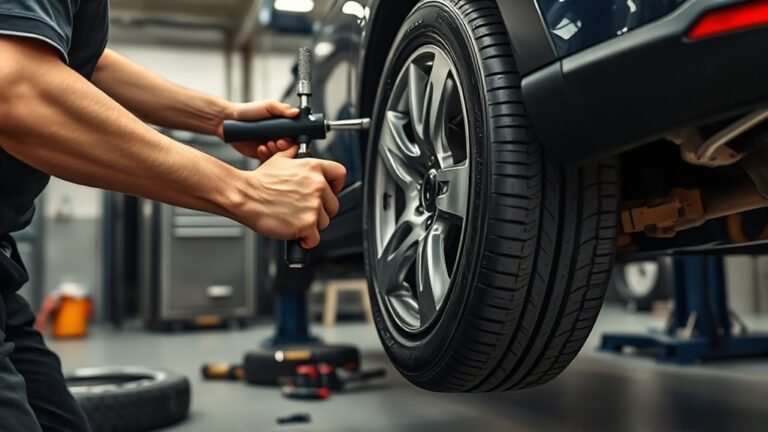
If conditions feel safe, place warning triangles or flares behind your vehicle. Check your owner’s manual for jack points and spare-tire instructions. Gather your tools before you begin.
If you don’t feel confident changing the tire yourself, just call for help instead. And remember, don’t drive any farther than you have to — it can make the damage worse, fast.
Should You Repair or Replace the Tire?
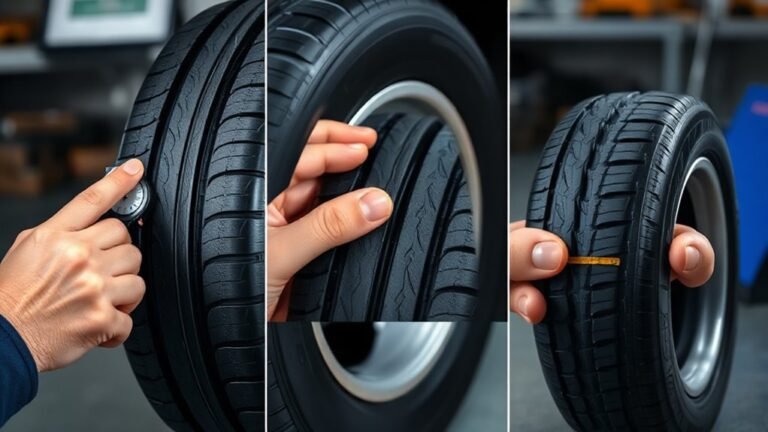
Before you decide, take a close look at the tire and the kind of damage it has. Small punctures in the tread can often be patched or plugged, but sidewall cuts, blowouts, and long cracks usually mean you need a replacement.
If you drove on the flat tire, the internal structure may be ruined even if the outside looks fine. Check the tire’s age and tread depth too, since an old or worn tire isn’t worth repairing.
- Repair tread punctures under 1/4 inch
- Replace tires with sidewall damage
- Don’t repair if cords are exposed
- Replace old tires with low tread
- Ask a technician to inspect hidden damage
When you’re unsure, choose safety first. A weak tire can fail again and put you at risk unexpectedly later.
Frequently Asked Questions
Can Weather Conditions Increase the Risk of Getting a Flat Tire?
Yes, weather conditions can increase your risk of getting a flat tire. Heat raises pressure, cold lowers it, and rain, snow, or potholes can damage tires.
You should check pressure often and inspect tread regularly. It’s a simple way to keep your tires in good shape and avoid surprises on the road.
Does Tire Age Affect the Chances of Sudden Tire Failure?
Yes—like an old rope on your bridge, aging tires weaken and crack, making sudden failure more likely.
You can’t always see the danger, so check manufacture dates, inspect sidewalls, and replace tires before age betrays you.
Can Overloaded Vehicles Cause Tires to Go Flat More Easily?
Yes, overloaded vehicles can make your tires go flat more easily. You increase heat and stress on the sidewalls, which isn’t good for the tires.
This also ups the risk of punctures or blowouts. So, it’s important to check your vehicle’s load rating before loading up.
Make sure to distribute the weight evenly, too. And don’t forget to keep your tires properly inflated for the best protection.
How Can I Tell if My Car Has Run-Flat Tires?
You can tell if your car has run-flat tires by checking the sidewall for “Run Flat,” “RFT,” or “SSR.” These markings are a good initial clue.
You can also take a look at your owner’s manual. It usually has detailed info about your tire type.
Or, if you’re unsure, just ask a tire shop to confirm what kind of tires you have. They’ll be able to help you out quickly.
Will Insurance or Roadside Assistance Cover a Flat Tire?
Yes, your insurance or roadside assistance might cover a flat tire, but you’ll need to check your policy. You may get towing, tire changes, or repairs.
That said, standard auto insurance often won’t pay for tire damage. So, it really depends on what coverage you have. Always good to double-check before you need it!
Conclusion
A flat tire isn’t a “just a few more miles” problem. In most cases, you should drive as little as possible—ideally under a few hundred feet to reach safety—unless you’ve got run-flat tires, which often last about 50 miles at reduced speed.
Think of it like flying with one engine out: Sully landed on the Hudson in 208 seconds because waiting makes damage worse. Pull over, protect the wheel, and then decide whether repair or replacement makes sense.
When you’re dealing with a flat tire, the key is to minimize driving to prevent further damage to your wheel and vehicle. Run-flat tires can give you some extra miles, but they’re not a long-term fix. So, always prioritize safety by pulling over quickly and assessing your options. Remember, driving on a flat tire can lead to costly repairs, so stop as soon as you can and get that tire repaired or replaced.