What Do Tire Numbers Mean?
Tire numbers tell you the tire’s size, type, load capacity, and speed rating, so you can choose one that fits your vehicle safely.
These numbers are really important when you’re picking out new tires because they help ensure the right fit and performance. You’ll usually see a code like P215/65R16 on the sidewall.
The numbers show width, aspect ratio, construction, and wheel diameter, while the load index and speed rating show how much weight and speed the tire can handle.
Matching these specs helps prevent fit and safety problems. And there’s actually more to know after that, so it’s good to get familiar with what all the numbers mean.
Key Takeaways
- Tire numbers identify the tire’s size, type, and compatibility with a vehicle.
- A code like P215/65R16 reads as type, width, aspect ratio, construction, and wheel diameter.
- The first number is tire width in millimeters, and the second is sidewall height as a percentage.
- The letter shows construction type, such as R for radial, and the last number is wheel diameter in inches.
- Load index and speed rating show how much weight and speed the tire can safely handle.
What Tire Numbers Mean
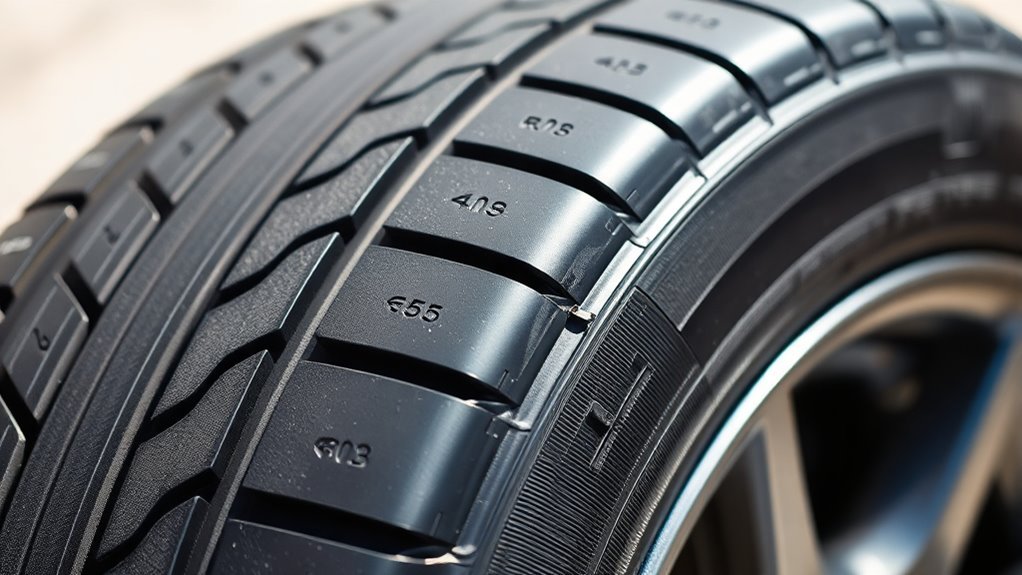
Tire numbers tell you the size and type of tire you need, and they’re usually printed on the sidewall in a format like P215/65R16. You use these numbers to match your vehicle with a tire that fits safely and performs as expected.
They show the tire’s category, width, construction, aspect ratio, and wheel diameter, so you can compare options without guessing. When you know what they mean, you can pick a replacement that supports proper handling, ride comfort, and load capacity.
You also avoid buying a tire that’s too small, too large, or incompatible with your wheels. Reading these markings helps you shop smarter and keep your car running smoothly.
How to Read a Tire Size Code
A tire size code may look confusing at first, but you can break it down piece by piece. You’ll usually find it printed on the sidewall, where it appears as a mix of letters and numbers.
Read it from left to right, and don’t rush. The first part tells you the tire’s general size format, while the middle numbers show the tire’s width and shape relationship.
After that, you’ll see another number that connects the tire to your wheel size. Some codes also include a final letter or extra markings that help identify performance details.
When you learn the pattern, you can quickly compare tires and choose one that fits your vehicle properly without guessing. Always match the code to your owner’s manual for accuracy.
What Each Tire Number and Letter Means
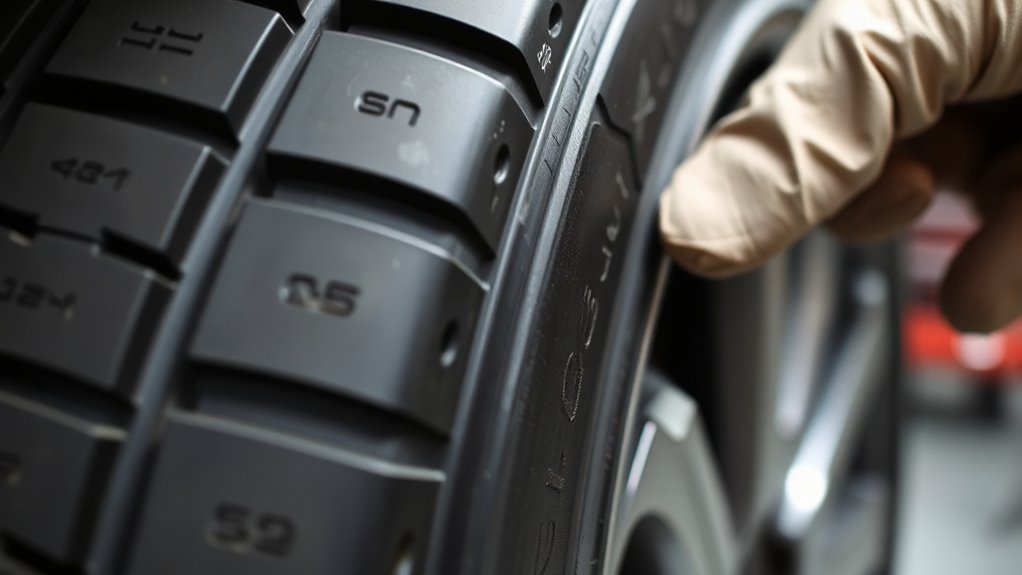
Each number and letter in a tire code tells you something specific about the tire’s size, shape, and performance. You’ll usually see a format like 225/65R17. The first number shows the tire’s width in millimeters, so you know how wide the tread is.
The next number gives the aspect ratio, which tells you the sidewall height as a percentage of the width. The letter tells you the tire’s construction type; “R” means radial, the most common design. The final number indicates the wheel diameter in inches, so you can match the tire to your rim.
Other letters may appear too, and they can signal extra features or intended use. By decoding each part, you can choose a tire that fits your vehicle correctly. It’s pretty handy once you get the hang of it!
How Load Index and Speed Rating Work
Once you’ve decoded the size numbers, the next things to check are the load index and speed rating. The load index tells you how much weight each tire can safely carry when properly inflated.
After size, check the load index and speed rating to ensure the tire fits your vehicle’s needs.
A higher number means the tire supports more load, so you should match it to your vehicle’s requirements. The speed rating shows the maximum speed the tire can handle under ideal conditions.
You’ll usually see a letter after the load index, such as H, T, or V, and each letter represents a different speed limit. You shouldn’t treat either number as decorative; both help you choose a tire that meets your vehicle’s demands and driving style.
Check the sidewall label or owner’s manual, and compare the values before you buy replacements.
How Tire Numbers Affect Fit and Safety
Those numbers do more than identify a tire; they affect how safely it fits and performs on your vehicle. When you match the correct width, aspect ratio, diameter, load index, and speed rating, you help the tire support your car the way the manufacturer intended.
If the numbers are off, the tire may rub, sit too loose, or change how your vehicle handles, brakes, and responds in corners. You can also throw off the speedometer and stress suspension parts.
Even a tire that looks close enough can reduce grip or stability if its specs don’t suit your vehicle. By reading the numbers carefully, you protect ride quality, maintain control, and lower the risk of a dangerous mismatch on the road.
What to Check Before Buying New Tires
Before you buy new tires, check the tread depth to make sure they still have enough grip for safe driving. You should also inspect the sidewalls for cracks, bulges, or other damage that could signal a problem.
These two checks can help you spot tires that aren’t worth the purchase. It’s always better to be safe than sorry when it comes to your tires!
Tread Depth Inspection
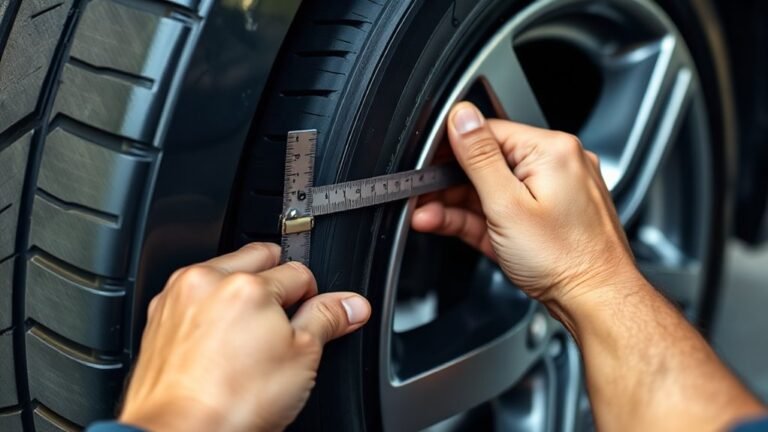
A quick tread-depth check can tell you a lot about a tire’s remaining life and safety. You can use a tread-depth gauge or a simple penny test to see how much rubber is left.
Just insert the coin into several grooves across each tire, not just one spot, because wear can vary. If the tread barely covers Lincoln’s head, the tire may need replacement soon.
Deeper, even tread usually means better grip, shorter braking distances, and improved wet-road traction. Uneven wear can also signal alignment or inflation issues that deserve attention before you buy.
Make sure to check all four tires, including the spare if it’s included. That way, you know exactly what you’re getting and can compare remaining service life fairly.
Sidewall Condition Check
Next, inspect the tire sidewalls for cuts, cracks, bulges, or punctures. Damage there can weaken the tire even if the tread looks good.
You should also look for scuffs, exposed cords, and repairs that suggest the tire’s structure has been stressed. Sidewall damage often comes from curbs, potholes, or underinflation. It can lead to sudden failure.
Use this quick check:
| Sign | What it means | Action |
|---|---|---|
| Cracks | Dry rot or aging | Replace soon |
| Bulges | Internal damage | Don’t buy |
| Cuts | Possible cord injury | Reject if deep |
| Punctures | Air loss risk | Verify repair history |
If you spot anything suspicious, choose another tire. A clean sidewall helps you buy safer, longer-lasting tires.
Frequently Asked Questions
How Do Tire Numbers Differ Between Car and Truck Tires?
You’ll see truck tires use higher load ratings, tougher construction, and often larger size codes. Car tires usually have lighter-duty numbers and lower load capacities.
This helps you match them to the vehicle’s weight and use. So, it’s important to pick the right tire to keep things safe and running smoothly.
Can I Use Tires With a Slightly Different Size Code?
Yes, you can, but only if you enjoy gambling with handling, clearance, and speedometer accuracy.
Check your owner’s manual, match load and speed ratings, and consult a tire professional before you trade precision for convenience.
Do Tire Numbers Affect Fuel Economy?
Yes, they can. You’ll usually get better fuel economy with lower rolling resistance, narrower tires, and proper inflation.
Larger or wider tire numbers can increase drag and weight, so you’ll burn more fuel overall. It’s all about finding the right balance for your ride.
Where Is the Tire Manufacturing Date Located?
You’ll find it on the tire sidewall in the DOT code; the last four digits show the week and year.
It’s small, but you can read it with a flashlight and a clean surface.
Just take your time, and you’ll spot it without any trouble.
What Does the DOT Code on a Tire Mean?
You’ll find the DOT code identifies your tire’s manufacturer, plant, size, and production date. You can use it to check recall status and age.
The last four digits show the week and year it was made. So, it’s a handy way to know exactly when your tire rolled off the line.
Conclusion
Now that you know what tire numbers mean, you can read that sidewall code with confidence and pick the right fit for your vehicle. It may seem like just a string of letters and numbers, but each one tells you something important about size, load, and speed.
Even if tire shopping feels confusing, you don’t need to guess anymore. Check the code, match your vehicle’s needs, and you’ll drive away safer and smarter.
Understanding tire numbers helps you choose the best tires for your car, truck, or SUV. When you decode the size, load capacity, and speed rating, you ensure better performance and safety on the road. So, next time you shop for tires, remember these numbers—they’re your key to making an informed, confident decision.