Do You Need a Rear Dash Cam?
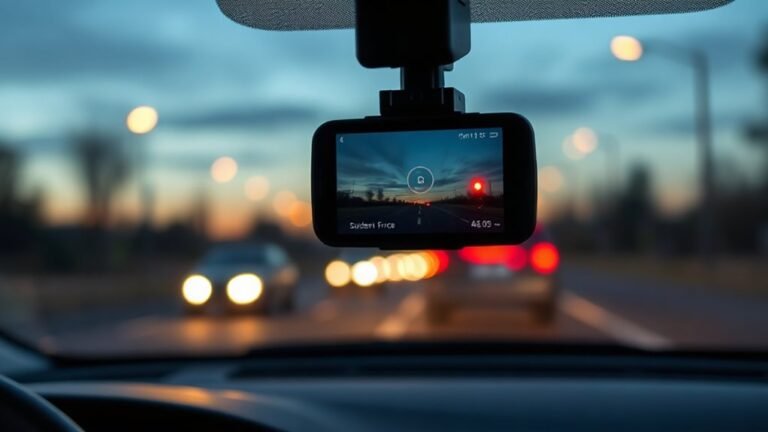
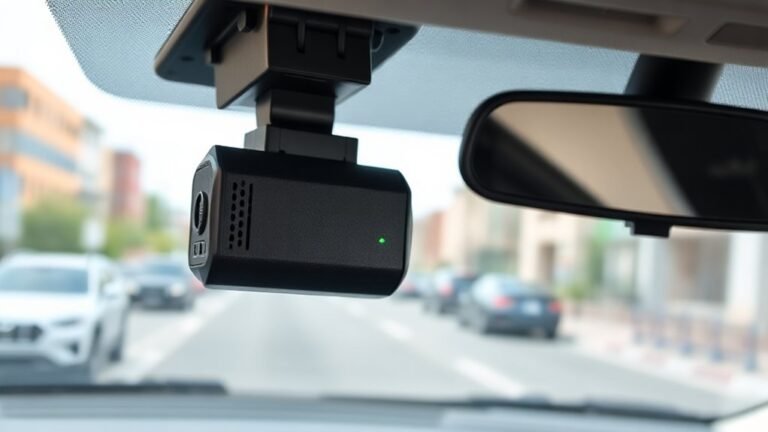
You need a rear dash cam to capture incidents your front camera misses, like rear-end collisions, hit-and-runs, and parking lot mishaps.
Having a rear dash cam is essential for comprehensive car security because it records everything happening behind your vehicle. This added layer of protection is crucial for providing solid evidence that can speed up insurance claims and protect you legally.
Rear cams also offer peace of mind against tailgating and vandalism, especially in busy urban areas. Plus, they can help catch unexpected events that might otherwise go unnoticed.
While there are some installation and maintenance considerations, a rear dash cam can be a smart, cost-effective choice.
Keep exploring to see if it fits your needs and how it might improve your overall driving safety. It’s definitely worth thinking about!
Key Takeaways
- A rear dash cam captures rear-end collisions, hit-and-runs, and parking lot incidents that front cameras often miss.
- It provides clear evidence which can help reduce disputes, speed up insurance claims, and support any legal action you might need.
- Rear cameras also give you peace of mind by keeping an eye on aggressive driving and suspicious activity behind your vehicle.
- Features like night vision and parking mode boost recording quality and protection when it’s dark or your car is parked.
- If you drive a lot in the city, especially in heavy traffic or crowded parking lots, a rear dash cam is a cost-effective way to stay protected.
Is a Rear Dash Cam Worth It Compared to a Front One?
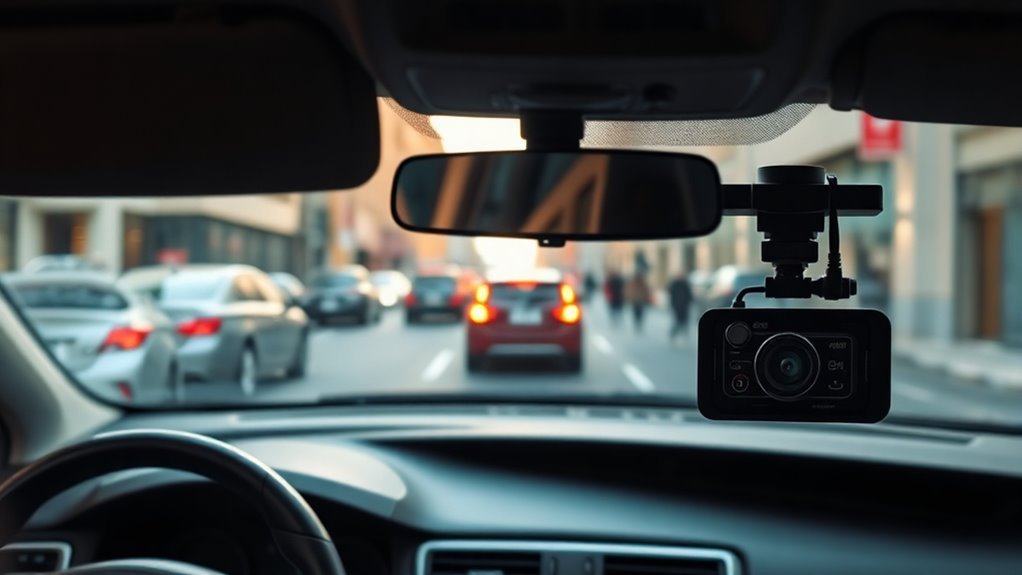
Although front dash cams capture most incidents, a rear dash cam is worth considering because it provides essential coverage behind your vehicle. You might think the front camera is enough, but rear cameras record events that the front one simply can’t see.
They help document rear-end collisions, hit-and-runs, or even parking lot mishaps. If someone tails you too closely or causes trouble from behind, having that footage can protect you.
Plus, rear dash cams are becoming more affordable and easier to install, so adding one doesn’t have to be complicated. While you rely on the front camera for what’s ahead, the rear dash cam makes sure you’re covered from both directions.
This gives you a fuller picture of your surroundings and better peace of mind on the road.
What Unique Benefits Does a Rear Dash Cam Offer?
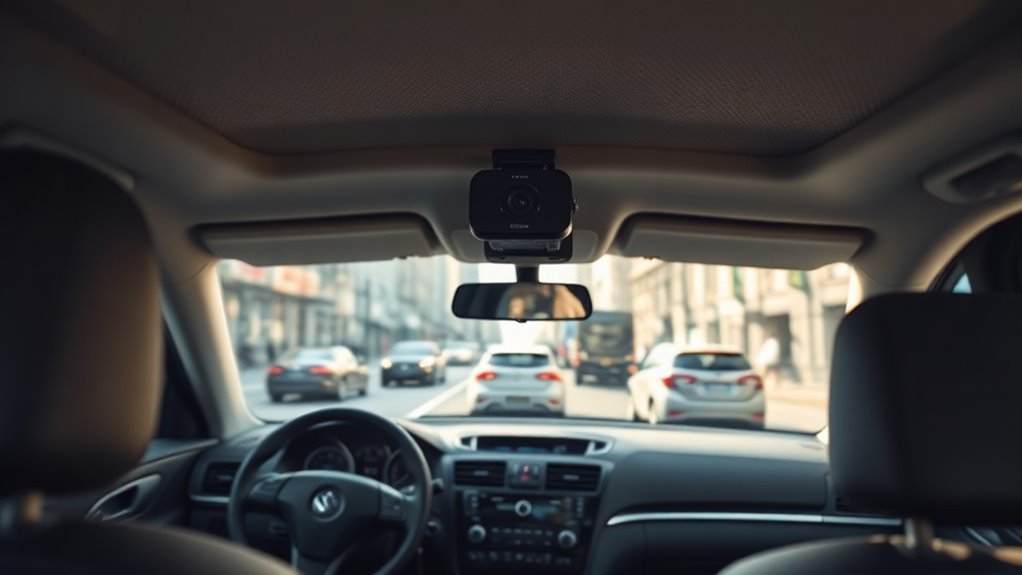
You’ll get clear evidence if someone hits you from behind, which can be a lifesaver during insurance claims.
A rear dash cam also keeps an eye on your car while you’re parked, catching any suspicious activity.
Plus, it gives you full coverage of incidents happening all around your vehicle, not just in front.
Enhanced Rear Collision Evidence
When a rear collision happens, having a rear dash cam can give you clear, indisputable footage that protects your interests. This footage captures the exact moment of impact, showing details like the other driver’s speed, position, and behavior.
It cuts out all those “he said, she said” disputes, making insurance claims way smoother and faster. You won’t have to rely only on witness statements or your memory, which can get fuzzy under stress.
Plus, the video acts as strong evidence if legal action becomes necessary. By documenting the incident from behind, you get peace of mind knowing you’ve got solid proof to back your case.
This helps you avoid unfair liability and potential financial loss. Honestly, a rear dash cam is a smart safeguard every driver should consider.
Improved Parking Surveillance
Rear dash cams frequently capture essential footage while your vehicle is parked, giving you an extra layer of protection against hit-and-runs, vandalism, or theft. You don’t have to rely on chance or witnesses; the camera records real events, helping you prove what happened.
This surveillance can deter criminals, knowing they’re being watched. Plus, it can save you money by easing insurance claims.
| Benefit | Description | Why It Matters |
|---|---|---|
| Hit-and-Run Proof | Records incidents around your car | Supports insurance and police |
| Vandalism Deterrent | Discourages damage to your vehicle | Reduces repair costs |
| Theft Monitoring | Captures suspicious activity | Helps recover stolen items |
A rear dash cam keeps you covered even when you’re not behind the wheel.
Comprehensive Incident Coverage
Although front-facing cameras capture much of the action on the road, a rear dash cam fills critical gaps by recording incidents behind your vehicle. It provides you with a full view of events, especially during rear-end collisions or hit-and-runs, where front cameras can’t help.
With a rear dash cam, you get clear, timestamped evidence that can protect you from false claims and speed up insurance claims. It also captures unexpected situations like tailgating or aggressive driving behind you, giving you peace of mind.
When Does a Rear Dash Cam Make the Most Sense?
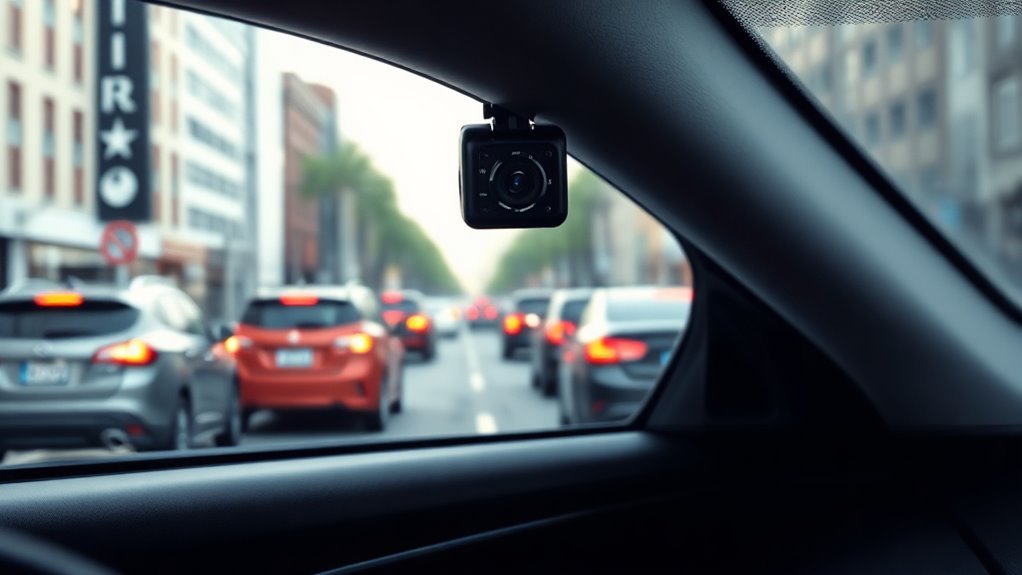
You’ll find a rear dash cam especially useful in busy urban areas where traffic can get unpredictable. It’s also a smart choice if you often park in crowded lots, adding an extra layer of security.
Plus, it can provide vital evidence during multi-vehicle accidents that happen from behind. It’s a simple way to protect yourself and your vehicle in situations that can get complicated fast.
Urban Driving Challenges
When negotiating crowded city streets, you often face unpredictable traffic patterns and frequent stops that increase the risk of rear-end collisions. In these situations, a rear dash cam becomes invaluable.
It records any incidents that happen behind you, providing clear evidence if another driver hits you from the rear. This can save you from lengthy disputes or unfair insurance claims.
Additionally, urban environments expose you to aggressive tailgating and sudden braking, making rear footage essential to protect yourself legally. You can also capture hit-and-run events that occur while you’re in traffic.
Given the constant stop-and-go nature of city driving, having a rear dash cam makes certain you’re covered from all angles. It helps you stay safe and defend yourself against unexpected incidents on busy streets.
Parking Lot Security
Parking lots often turn into hotspots for minor accidents and suspicious activity, making a rear dash cam a smart investment.
When you’re parked, a rear dash cam can capture hit-and-run incidents, vandalism, or theft attempts that might otherwise go unnoticed. It records vital evidence to protect your vehicle and provide peace of mind.
| Situation | How a Rear Dash Cam Helps |
|---|---|
| Hit-and-run incidents | Captures license plates and impact |
| Vandalism | Records suspicious behavior |
| Theft attempts | Provides visual proof for authorities |
| Parking disputes | Clarifies fault and supports claims |
A rear dash cam keeps you covered even when you’re not behind the wheel.
Multi-Vehicle Accidents
Multi-vehicle accidents often create confusing scenes where fault is hard to determine. When multiple cars collide, each driver may blame the others, making it tough to prove who caused the crash.
That’s where a rear dash cam really helps. It captures clear footage of what happens behind you, providing unbiased evidence of impact and timing. If another vehicle hits you from behind or causes a chain reaction, your rear cam can clarify the sequence of events.
This makes insurance claims smoother and disputes easier to resolve. So, if you often drive in heavy traffic or busy roads, investing in a rear dash cam makes a lot of sense. It protects you from uncertainty when accidents get complicated.
What Are the Drawbacks of Installing a Rear Dash Cam?
Although rear dash cams offer valuable footage, they come with some drawbacks you should consider before installation. You might face issues like complicated wiring, which can be tricky if your car lacks a dedicated power source at the back.
Also, some models can obstruct your rearview or become a distraction. In addition, rear cameras can be vulnerable to dirt and weather, reducing footage clarity.
Finally, the extra expense and effort might not be worth it if you rarely drive in heavy traffic or bad weather.
| Drawback | Description |
|---|---|
| Installation | Complex wiring and setup |
| Visibility | Potential obstruction or distraction |
| Maintenance | Lens can get dirty or fogged |
| Cost | Extra expense for purchase and installation |
How to Choose the Best Rear Dash Cam for Your Car
While rear dash cams come with some challenges like installation complexity and maintenance, choosing the right one can make a big difference in your driving safety and peace of mind. Start by considering video quality—look for at least 1080p resolution to guarantee clear footage.
Check the camera’s field of view to capture as much behind your car as possible. Night vision is vital for low-light conditions, so prioritize models with good infrared capabilities.
You’ll want a reliable power source; some plug into your cigarette lighter, while others hardwire to your car’s battery. Also, consider features like parking mode, loop recording, and G-sensors, which protect your footage during incidents.
Finally, pick a model that fits your car’s size and your budget without compromising essential features. It’s all about finding the right balance for your needs!
Is a Rear Dash Cam a Smart Investment for Your Budget?
Wondering if a rear dash cam fits your budget? Rear dash cams have become more affordable, offering valuable protection without breaking the bank. You get peace of mind knowing your vehicle is recorded from behind, which helps in hit-and-run cases or disputed accidents.
Installation costs are usually reasonable, and some models are easy to install yourself, saving money. While upfront expenses exist, the potential savings on insurance claims and legal fees can outweigh these. Plus, some insurers offer discounts if you have dash cams installed.
Assess your driving habits and risk factors—if you often drive in busy areas or park on the street, a rear dash cam is a smart, cost-effective choice that can protect your wallet in the long run.
Frequently Asked Questions
How Do Rear Dash Cams Impact Vehicle Insurance Premiums?
Rear dash cams can lower your insurance premiums by providing clear evidence in accidents. They help prove fault and prevent fraudulent claims.
Insurers often reward drivers who have video proof. So, installing one could actually save you money on your coverage.
Can Rear Dash Cams Record Audio Inside the Car?
Yes, rear dash cams can record audio inside the car, but while they capture conversations and sounds, they primarily focus on video.
You’ll want to check local laws since recording audio might require consent in some areas. It’s always better to be safe than sorry!
Are Rear Dash Cams Compatible With All Car Models?
Most rear dash cams are compatible with nearly all car models, but you’ll want to check your vehicle’s specifications and the cam’s installation requirements.
Some may need adapters or professional installation for a perfect fit. It’s always a good idea to double-check before making a purchase. That way, you avoid any surprises during installation.
Do Rear Dash Cams Require Professional Installation?
Installing a rear dash cam is like planting a garden—you can do it yourself with patience, but sometimes you’ll want an expert to guarantee it thrives.
You don’t always need pros, but they make it easier.
How Is Footage From Rear Dash Cams Typically Stored and Accessed?
You typically store rear dash cam footage on a microSD card inside the camera.
You can access it by removing the card or connecting the camera to your phone or computer via Wi-Fi or USB.
This makes viewing and downloading the footage super easy. Just pick the method that works best for you!
Conclusion
Imagine driving with a clear view of both the road ahead and the world behind you, like having eyes in the back of your head. A rear dash cam offers that extra layer of protection, capturing vital moments others might miss.
While it’s an added expense, the peace of mind from knowing you’re covered from every angle often outweighs the cost. If you value safety and evidence, a rear dash cam is a smart move for your car and your budget.
Having a rear dash cam means you’re not just relying on your mirrors or your instincts. It records everything behind you, which can be crucial in accidents or disputes. Plus, it’s a great way to protect yourself from hit-and-run situations and fraudulent claims.
In the end, investing in a rear dash cam enhances your overall driving safety. It provides clear video evidence, supports insurance claims, and helps protect your vehicle’s value. For anyone serious about road safety and protecting their investment, a rear dash cam is definitely worth considering.