Do Dash Cams Record When the Car Is Off?
Yes, your dash cam can record when your car is off by using parking mode, a handy feature that activates recording only when motion or impact is detected. This means your dash cam isn’t running constantly, which helps conserve both your car’s battery and the dash cam’s storage space.
To keep this feature working safely, you’ll need the right power setup, like a hardwire kit with a low-voltage cutoff or an external battery. These options prevent your car battery from draining too much while still allowing your dash cam to monitor your vehicle.
With the right settings and power solutions, your vehicle stays protected even when you’re not around. It’s worth looking into how different power setups, dash cam models, and storage options affect this parking mode feature. That way, you can choose the best setup for your needs and keep your car safe 24/7.
Key Takeaways
- Dash cams record when the car is off only if they have parking mode activated by motion or impact detection. This means they stay alert for any movement or bumps around the vehicle.
- Parking mode uses a low-power standby to save the car battery. It only records when something triggers it, like a bump or nearby movement.
- If you want continuous recording even when the engine is off, you’ll need a hardwire kit. This kit usually has a low-voltage cutoff to protect your car battery from draining.
- Some dash cams have built-in batteries or can connect to external power packs. These provide limited recording time after you shut off the car, without using the vehicle’s battery.
- But if your dash cam doesn’t have parking mode or external power, it usually stops recording as soon as the engine goes off. So, no recording when the car is parked.
Do Dash Cams Record When the Car Is Off?
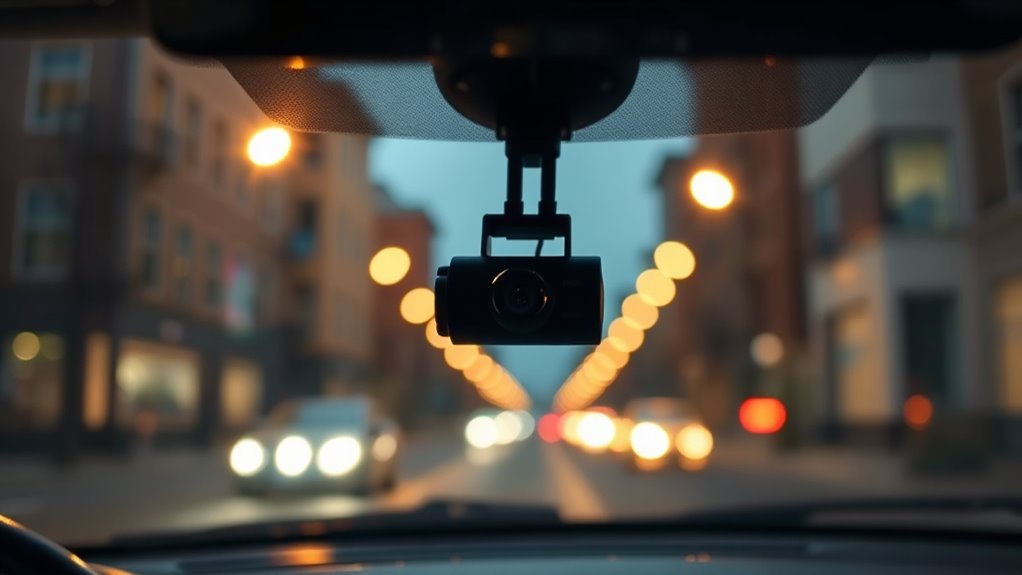
Usually, dash cams don’t record when your car is off unless they have a parking mode feature. If your dash cam lacks this, it simply powers down with your vehicle, stopping any recording.
You won’t capture any incidents that happen while parked or unattended. However, with parking mode, the dash cam switches to a low-power state, ready to record if it detects motion or impact.
This means it can protect your car even when you’re not inside. Without parking mode, you’d miss valuable footage in parking lot bumps or vandalism.
How Do Dash Cams Stay Powered When Your Car’s Off?

If your dash cam supports parking mode, it needs a way to keep running even when your car is off. Typically, dash cams draw power from your car’s battery through the cigarette lighter socket or a hardwired connection. When the engine shuts off, power usually cuts off too.
To stay powered, you can install a hardwire kit that connects the dash cam directly to the fuse box with a low-voltage cutoff feature. This prevents your car battery from draining.
Alternatively, some dash cams include built-in batteries or capacitors that provide short-term power during engine-off moments. You might also use an external battery pack designed specifically for dash cams.
These solutions let your dash cam stay on for a limited time, making sure it captures footage even when you’re not driving.
How Parking Mode Keeps Dash Cams Recording Off-Engine
Parking mode lets your dash cam keep recording even when your car is off by using motion detection to catch any activity nearby.
You’ll find different power source options, like built-in batteries or hardwiring to your car’s electrical system, to keep it running.
Understanding these features helps you choose the best setup for continuous protection.
What Is Parking Mode
How can your dash cam keep recording even when your car’s engine is off? That’s where Parking Mode comes in. Parking Mode lets your dash cam stay on standby, monitoring your vehicle while it’s parked.
It uses a low-power state, activating recording only when triggered by events like impacts or vibrations.
Here’s a quick look at Parking Mode features:
| Feature | Purpose | Benefit |
|---|---|---|
| Low Power Usage | Saves battery | Prevents draining car battery |
| Event-triggered | Records on impact or shock | Captures incidents when parked |
| Continuous Standby | Monitors constantly | Offers 24/7 protection |
| Auto Shutoff | Turns off after inactivity | Extends dash cam lifespan |
Parking Mode guarantees your dash cam watches over your car, even when the engine is off. So, you can have peace of mind knowing your vehicle is protected around the clock.
Motion Detection Features
While your car sits idle, motion detection features in dash cams activate recording only when they sense movement near your vehicle. This means your dash cam won’t waste memory or battery by recording empty surroundings.
Instead, it stays in standby mode, ready to capture any activity like a passerby, a collision, or vandalism. When triggered, the camera starts recording automatically, ensuring you have evidence if something happens while your car is parked.
You don’t have to turn anything on manually—motion detection works seamlessly as part of parking mode. This smart feature helps protect your vehicle without draining power unnecessarily.
It gives you peace of mind knowing your dash cam is watching over your car even when you’re not in it.
Power Source Options
Keeping your dash cam recording even when the engine is off relies on smart power source options. Most dash cams use parking mode, which taps into your car’s battery or an external power supply to keep recording.
You can connect the dash cam to a hardwire kit that links directly to your car’s fuse box. This allows it to draw minimal power without draining the battery.
Some models come with built-in batteries or capacitors that enable short-term recording after you turn off the engine. Others rely on external battery packs for extended parking mode use.
When choosing a power source, consider your vehicle’s electrical system and how long you want the dash cam to stay active after shutting off the engine. This guarantees continuous protection, even when you’re parked.
Dash Cam Models That Record When Your Car Is Off
If you want your dash cam to keep recording when your car is off, look for models with parking mode capabilities. These cams use motion or impact sensors to start recording automatically.
Also, consider ones with built-in battery backup systems so they don’t drain your car’s battery. That way, you won’t have to worry about your car dying while your dash cam is still watching.
Parking Mode Capabilities
Many dash cams today include parking mode capabilities, allowing them to keep recording even when your car is off. This feature activates the camera when it detects motion or impact, ensuring your vehicle’s safety when unattended.
Not all models handle this the same way, so choosing one with reliable parking mode is essential. You want something that works well when you’re not around.
Here’s a quick comparison:
| Model | Parking Mode Type | Trigger Mechanism |
|---|---|---|
| Viofo A129 Pro | Time-lapse & Event | Motion & Impact |
| Thinkware F800 | Event Recording | Impact Sensors |
| BlackVue DR900X | Event & Time-lapse | Motion & Impact |
With these options, you’ll find a dash cam that suits your parking monitoring needs perfectly. It’s all about keeping your car safe, hassle-free.
Battery Backup Systems
Battery backup systems provide dash cams with the power they need to keep recording even when your car is off. These systems include built-in batteries or external power packs that supply energy independently from your vehicle’s battery.
This means you won’t miss vital footage, like hit-and-run incidents or vandalism, while your car is parked. When choosing a dash cam with a battery backup, consider its capacity and how long it can record without draining your car’s battery.
Some models automatically switch to a low-power mode to conserve energy, extending recording time. By using a dash cam with a reliable battery backup, you guarantee continuous protection and peace of mind, no matter if your engine’s running or not.
Pros and Cons of Continuous Dash Cam Recording
Although continuous dash cam recording offers the advantage of capturing every moment on the road, it also comes with some drawbacks you’ll want to take into account. On the plus side, you’ll have a complete record of events, which can be invaluable in accidents or disputes. It guarantees nothing is missed, providing peace of mind.
However, continuous recording can quickly fill up your storage, forcing frequent data management. It can also drain your car’s battery if the dash cam runs when the engine is off, potentially causing power issues. Additionally, constant footage might be overwhelming to review if you need specific clips.
Weighing these pros and cons will help you decide if continuous recording suits your needs and driving habits.
How to Manage Battery and Storage for Off-Engine Dash Cams
If you want your dash cam to keep recording even when your car is off, you’ll need to carefully manage both power consumption and storage capacity. First, consider using a hardwire kit with a voltage cutoff to prevent your car battery from draining.
To record with your dash cam when the car is off, manage power wisely using a hardwire kit with voltage cutoff.
This setup lets your dash cam draw power safely without risking a dead battery. Next, choose a dash cam with parking mode features that activate only when motion or impact is detected, reducing unnecessary recording.
For storage, invest in a high-capacity microSD card designed for continuous video recording, and regularly format it to maintain performance. You should also enable loop recording so the oldest footage gets overwritten automatically.
That way, you never run out of space while your car is parked. It’s a simple way to keep everything running smoothly without any hassle.
Frequently Asked Questions
Can Dash Cams Record Audio Along With Video Footage?
Yes, dash cams can record audio along with video footage if they have a built-in microphone. You’ll need to enable audio recording in the settings.
But keep in mind, some places have legal restrictions on recording conversations. So, it’s a good idea to check the laws in your area before turning on audio.
How Do Dash Cams Handle Nighttime Recording Quality?
You’ll find most dash cams improve nighttime recording with infrared or wide-aperture lenses.
In fact, 70% of models boast enhanced low-light sensors, ensuring clear footage even in dark conditions.
This helps keep you safer after sunset.
Are Dash Cam Videos Admissible as Legal Evidence?
Yes, dash cam videos are usually admissible as legal evidence. You’ll need clear, unaltered footage with a reliable timestamp.
Laws vary, so check local regulations to make certain your recordings hold up in court. It’s always a good idea to be sure before relying on them.
What Is the Average Lifespan of a Dash Cam?
You’d think dash cams last forever, but they usually last about 3 to 5 years before their batteries or components start acting up.
With proper care, you can stretch their life and keep recording smoothly. It’s kind of like any other gadget—you just need to treat it right!
Can Dash Cams Connect to Smartphones for Live Viewing?
Yes, many dash cams connect to your smartphone via Wi-Fi or an app, letting you view live footage instantly. This way, you can check recordings or adjust settings without removing the camera or memory card.
It’s super convenient because you don’t have to fumble with cables or take the dash cam apart. Plus, having everything right on your phone makes managing your footage way easier.
Conclusion
Did you know that over 60% of dash cam users rely on parking mode to capture incidents when their car is off? This feature keeps you protected even when you’re away, recording any suspicious activity or accidents.
While it uses extra battery and storage, the peace of mind you get is worth it. By managing power wisely and choosing the right model, you can make certain your dash cam always has your back—on or off the road.
In fact, dash cams that record when the car is off provide continuous security. This means your vehicle is monitored 24/7, helping to catch hit-and-runs, vandalism, or theft attempts. So, if you want reliable protection and valuable evidence even when parked, parking mode is a game-changer. Just remember to pick a dash cam with smart power management to avoid draining your battery.