Do I Need a Rear Dash Cam?
You need a rear dash cam if you want clear proof in rear-end crashes, tailgating disputes, and parking lot hits. It’s all about capturing what happens behind you, from sudden braking to lane changes and even what happens after a crash. This way, you’re not stuck in a he-said-she-said argument when it comes to insurance claims or fault.
If you drive often, commute in traffic, or park on busy streets, having extra footage can be really worth it. It gives you peace of mind knowing that everything behind your car is recorded clearly. Plus, it can protect you against unfair accusations or hit-and-runs.
That said, there’s more to consider if you want the best setup for your car. Choosing the right rear dash cam involves thinking about features, installation, and compatibility with your vehicle. So, it’s good to weigh your options before deciding.
Key Takeaways
- A rear dash cam records vehicles behind you and helps document tailgaters, sudden braking, and rear-end crashes. It’s especially useful in stop-and-go traffic, parking lots, and crowded streets where rear impacts are common.
- Rear footage can prove who struck whom and reduce those frustrating “he said, she said” disputes after an accident. Plus, it helps capture hit-and-runs, backing collisions, and post-crash behavior for insurance claims.
- If you drive often, a rear dash cam can add peace of mind and offer cost-effective protection. It’s a simple way to keep an extra eye on what’s happening behind you.
What a Rear Dash Cam Does
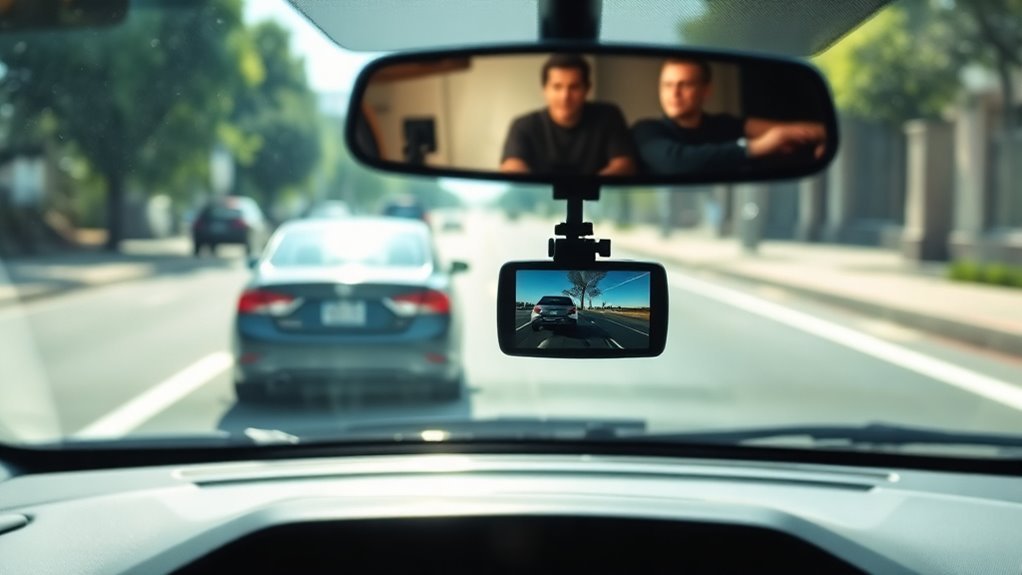
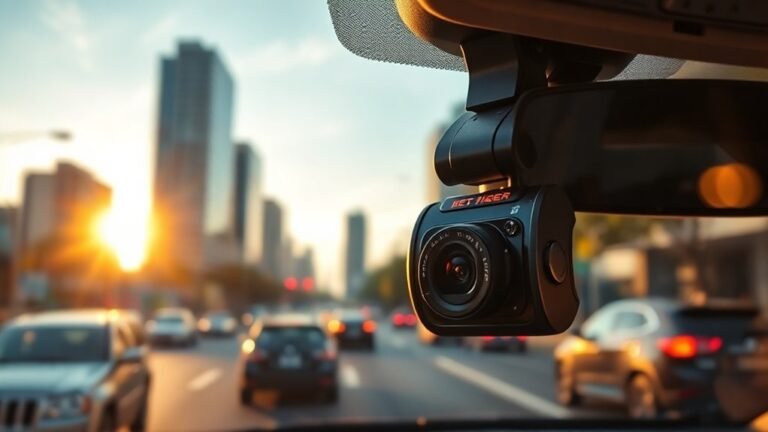
A rear dash cam keeps an eye on what happens behind your car, recording the road and any vehicles that follow you. You get a clear view of tailgaters, sudden braking, lane changes, and rear-end impacts.
A rear dash cam watches behind your car, capturing tailgaters, sudden braking, lane changes, and rear-end impacts.
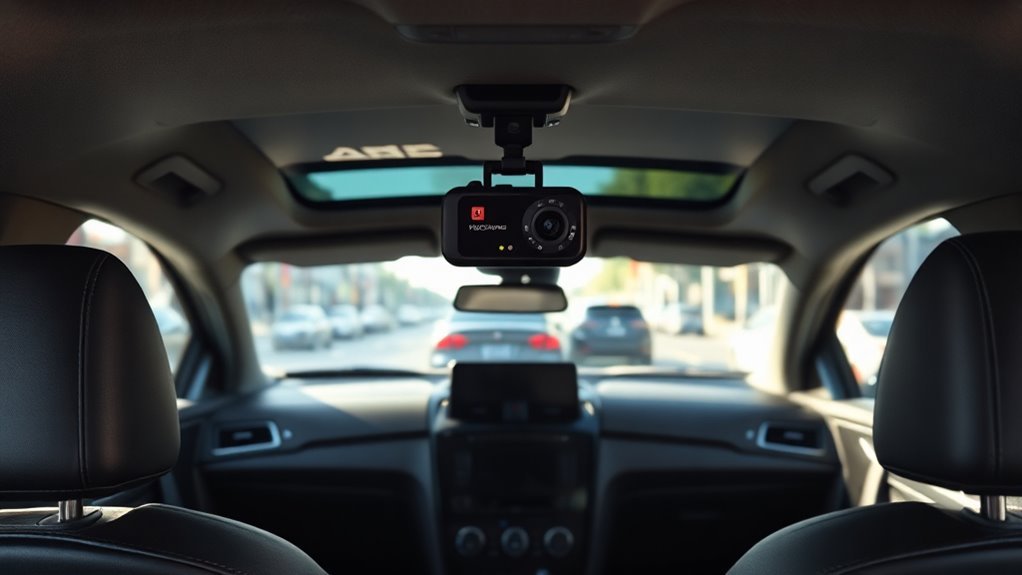
The camera mounts on your rear window, parcel shelf, or license plate area, depending on the model, and it captures video while you drive. Many units work with a front dash cam, so you can document both directions at once.
Some models also record audio, detect motion, or save footage when they sense a shock. You can review the video later to understand what happened, spot details you missed, and support a claim if needed.
It gives you extra visual context from the back of your vehicle. Pretty handy, right?
Do You Need One for Daily Driving?

If you commute every day, a rear dash cam can give you useful evidence if someone rear-ends you or disputes what happened. It can also help protect your car in parking lots, where minor collisions and hit-and-runs often happen when you’re away.
For daily driving, that extra coverage can make a real difference. It’s definitely worth considering if you want a bit more peace of mind on the road.
Daily Commuting Evidence
For daily commuting, a rear dash cam can be surprisingly useful, especially if you spend time in heavy traffic, on crowded city streets, or in parking lots.
If another driver taps your bumper, cuts in too closely, or claims you brake-checked them, rear footage gives you a clear record of what actually happened. It can also support your insurer’s review by showing lane position, speed changes, and nearby vehicles.
On a routine commute, that evidence can save you time, stress, and money after a minor crash or dispute. You don’t need one to drive safely, but you may appreciate the extra proof if you face frequent stop-and-go traffic or unpredictable drivers.
For many commuters, that peace of mind makes it worth considering.
Parking Lot Protection
Parking lots are another place where a rear dash cam can pay off during daily driving. You might not witness a bump, scrape, or hit-and-run, but the camera can capture the moment another driver backs into you or leaves without a note.
That footage gives you clear evidence for insurance claims and can speed up repairs. It also helps if someone accuses you of causing damage you didn’t create.
If you often park on crowded streets, at malls, or in apartment lots, rear coverage adds real peace of mind. You don’t need it for every trip, but it’s valuable when your car sits unattended.
For daily driving, it’s a practical safeguard, especially if rear-end incidents worry you.
When a Rear Dash Cam Helps Most

A rear dash cam helps most when you’re hit from behind, sideswiped while changing lanes, or dealing with a driver who backs into you and then disputes fault. You’ll appreciate it in stop-and-go traffic, where tailgaters leave little room for error, and on busy roads where lane changes happen fast.
It can also matter when someone follows too closely during rain, glare, or night driving, making it harder for you to prove what happened. If you often park on crowded streets or use ride-share pickups, a rear view adds another angle on the action behind your car.
You get clearer context, fewer he-said-she-said arguments, and more confidence when the unexpected happens. It’s like having an extra set of eyes watching your back.
How a Rear Dash Cam Protects You in Crashes
In a crash, a rear dash cam can capture the moments that matter most: the other driver closing in too fast, failing to stop, or hitting you and then trying to shift blame.
You get a clear record of impact, lane position, and traffic flow, which can back up your account when memories conflict. That footage can also show whether you braked properly or were rear-ended without warning.
| Crash detail | What it shows | Why it helps |
|---|---|---|
| Impact point | Where the hit happened | Confirms who struck whom |
| Vehicle motion | Speed and following distance | Challenges false claims |
| Post-crash behavior | Stop, flee, or argue | Supports your report |
With video, you don’t rely on guesses. You protect yourself with facts that are hard to dispute.
What to Look for in a Rear Dash Cam
When you’re choosing a rear dash cam, focus on image quality, night performance, and a wide enough view to capture what’s happening behind you. You want crisp footage, because blurry details won’t help when you need to read a plate or see a lane change.
Look for reliable low-light recording, so tail lights and shadows don’t wash out the scene. A good mounting angle also matters, since glare and vibration can ruin clarity.
- A clear lens that keeps taillights sharp
- A broad rear view like a parking-lot mirror
- Night vision that shows dark roads clearly
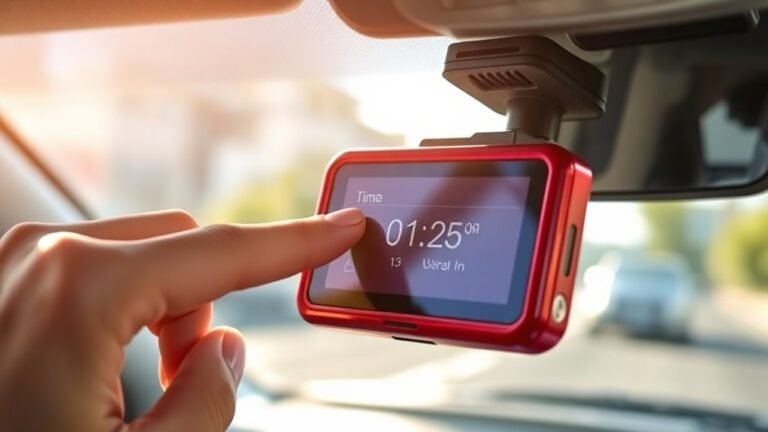
- Easy controls so you can check footage fast
Also, choose a design that fits your car neatly and stays steady on rough roads. It makes a big difference when you’re driving on bumpy streets or parking in tight spots.
Is a Rear Dash Cam Worth the Cost?
You might wonder if a rear dash cam is worth the price, and for many drivers, it is.
It can give you added collision evidence and help document parking incidents that a front camera might miss.
For a small cost, you can get big protection and far more peace of mind.
Added Collision Evidence
A rear dash cam adds a second angle that can turn a he-said-she-said crash into clear, usable evidence. You’ll capture the tailgater’s bumper, lane position, and impact timing, which can help explain who changed lanes, who braked suddenly, and how the collision unfolded.
That extra view can also support your memory when stress blurs details after a wreck.
- A sedan swerves in behind you at a red light
- Brake lights flare just before the jolt
- Skid marks stretch across wet pavement
- Two vehicles sit angled in a crowded intersection
With both front and rear footage, you’re less likely to rely on guesses or conflicting stories. And if the other driver challenges your account, the video can back you up fast.
Parking Incident Coverage
Rear footage matters just as much after you park, especially if you’re worried about door dings, hit-and-runs, or a driver backing into your car and driving off.
A rear dash cam can capture the plate, impact, and direction of travel when you’re away from the vehicle. That evidence helps you show what happened instead of guessing.
| Parking event | Rear cam helps | Why it matters |
|---|---|---|
| Backed into | Yes | Shows impact details |
| Hit-and-run | Yes | Captures fleeing vehicle |
| Door ding | Sometimes | Records nearby movement |
You’ll appreciate this coverage most in crowded lots, street parking, and apartment garages.
If you often leave your car exposed, rear recording can turn a vague complaint into usable proof. It won’t stop every incident, but it gives you a clearer record when trouble starts behind you.
Small Cost, Big Protection
Even a modest rear dash cam can pay for itself the first time it captures a hit-and-run, a backing collision, or clear evidence that saves you from a dispute. You’re buying peace of mind, not just a gadget.
Compared with repair bills, insurance headaches, and lost time, the price is usually small. A rear camera can also discourage tailgaters and make you feel steadier in crowded parking lots.
- A compact lens watching your bumper in traffic
- A parking lot fender-bender frozen in sharp footage
- A license plate caught in dim brake-light glow
- A simple screen showing who backed into you
If you drive often, the value adds up fast. One reliable clip can turn a denial into a resolved claim, and that protection feels worth every dollar.
Frequently Asked Questions
Can a Rear Dash Cam Record While the Car Is Parked?
Yes, your rear dash cam can record while parked if it has parking mode and constant power. You’ll need hardwiring or a battery pack.
Some models only start recording when they detect motion or impact. That way, they save power and storage space.
Do Rear Dash Cams Work in Bad Weather?
Yes, rear dash cams usually work in bad weather, and you’ll still capture useful footage. Rain, snow, and fog can reduce clarity, but quality models with good lenses and infrared handling perform better.
That said, it’s normal for visibility to drop a bit when the weather gets rough. So, while your cam will keep recording, the details might not be as sharp as on a clear day. Still, having that footage is way better than nothing!
Will a Rear Dash Cam Drain My Car Battery?
Yes, it can, but only if you leave it running while parked.
You’ll usually avoid battery drain by using an automatic shutdown, hardwire kit, or parking mode with voltage protection.
These features help make sure your battery doesn’t get drained while the car is off. So, with the right setup, you’re pretty safe.
Can I Install a Rear Dash Cam Myself?
Yes, you can install a rear dash cam yourself if you’re comfortable routing cables and mounting hardware. You’ll need basic tools, patience, and your camera’s instructions.
If that sounds like a lot, no worries—a professional can handle it quickly and hassle-free. It all depends on how hands-on you want to be!
Do Rear Dash Cams Record Audio Inside the Car?
Yes, many rear dash cams can record audio inside your car—if you enable it. Some models capture cabin sounds through the front unit, while others don’t.
Make sure to check your settings, because privacy laws may limit recording. It’s always good to know what your specific dash cam can and cannot do!
Conclusion
So, do you need a rear dash cam? If you drive often, it can be as useful as an extra set of eyes watching your back. It helps you capture tailgaters, rear-end crashes, and shady parking lot incidents that front cameras miss.
If you want more peace of mind and stronger evidence after an accident, a rear dash cam is worth considering. It’s a small investment that can save you big headaches later.
In the end, a rear dash cam offers added security and valuable footage that can protect you from false claims. Whether it’s capturing unexpected rear collisions or recording suspicious activity while parked, having a rear dash cam truly enhances your overall driving safety. So, if you’re serious about protecting yourself on the road, a rear dash cam is definitely something to think about.