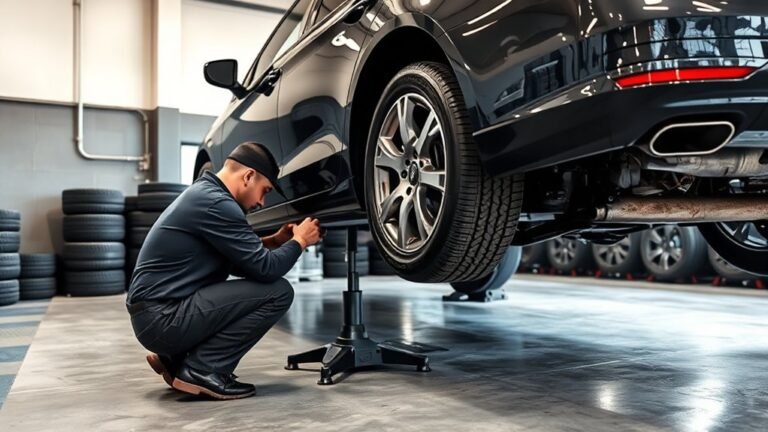
Are Bridgestone Tires Good for You?
Yes—Bridgestone tires can be a great fit if you want dependable grip, strong brand confidence, and options for commuting, family driving, or performance.
They’re especially appealing if you drive often, keep your vehicle long term, or want better wet and all-season traction.
You might pay more than with budget brands, but the comfort, tread life, and variety can justify it.
Your best match depends on your vehicle, climate, and driving style, as you’ll see below.
So, if you’re looking for reliable tires that handle different conditions well, Bridgestone is definitely worth considering.
Key Takeaways
- Bridgestone tires are generally dependable, with a strong brand reputation and reliable performance. They also offer broad options for many vehicles and driving styles.
- They provide good all-around traction, predictable handling, and confident braking. Some models, though, prioritize comfort over a sporty feel.
- Choosing the right model really matters. For example, Turanza is great for smooth commuting, Dueler is made for SUVs, Duravis suits trucks, and Potenza is all about performance driving.
- They can be worth the higher price if you drive a lot or plan to keep them long-term. This is especially true when tread life and fuel efficiency matter to you.
- You’ll get the best results by matching the tire to your climate, vehicle, and load needs. This is important if you deal with rain, snow, or want something for year-round use.
Are Bridgestone Tires Good for You?

Bridgestone tires can be a good fit if you want dependable performance, solid safety, and a wide range of options for different vehicles and driving conditions. You’ll find choices for daily commuting, family travel, sportier driving, and trucks or SUVs, so you can match tires to your needs.
The brand also has a strong reputation, which can help you feel confident about your purchase. If you value a tire maker with broad selection and consistent quality, Bridgestone deserves your attention.
You should still compare specific models, because each one offers different strengths, tread life, and price points. If your priority is balance instead of the cheapest option, Bridgestone often makes sense.
You’ll likely appreciate its blend of reliability, comfort, and variety.
How Bridgestone Tires Handle Wet, Dry, and Snowy Roads
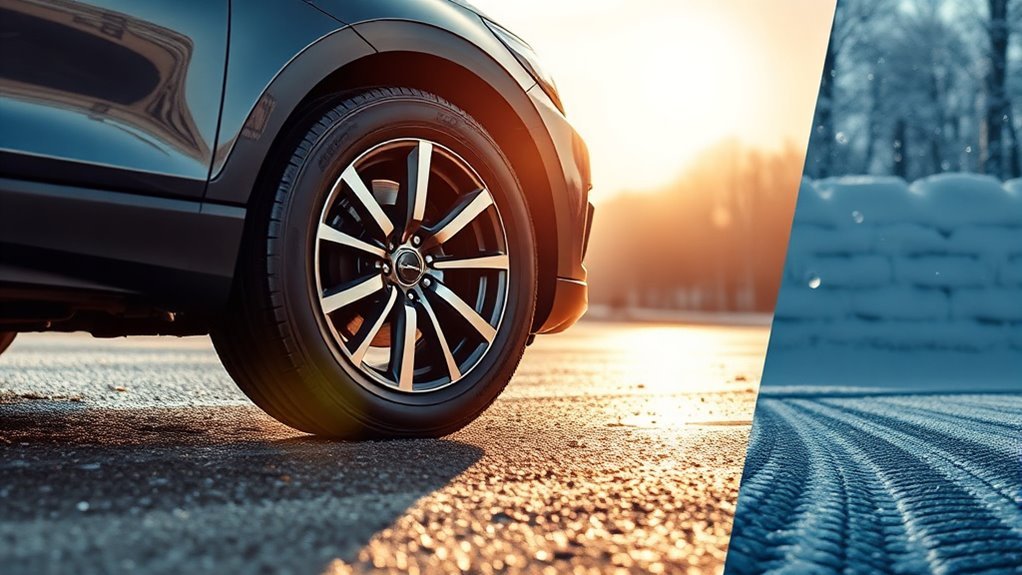
Whether you’re driving in rain, on dry pavement, or through light snow, Bridgestone tires are designed to deliver steady, confident traction.
You’ll notice responsive steering on dry roads, where the tread stays planted and helps you corner with control. In wet weather, the grooves and channels move water away to reduce hydroplaning and keep your grip more consistent.
If you face light snow, many Bridgestone all-season and winter options use tread patterns and rubber compounds that stay flexible in colder temperatures, so you can keep moving with added stability.
You still need to drive cautiously, but these tires give you a balanced feel across changing conditions. That makes them a practical choice when you want dependable everyday performance throughout the year.
Best Bridgestone Tires by Vehicle
The best Bridgestone tire for you depends on what you drive and how you use it. If you own a sedan, the Turanza line can give you a smooth, quiet ride.
For SUVs and crossovers, the Dueler range usually fits your daily driving and light off-road needs. If you drive a truck, look at Duravis or Dueler options for stronger load support.
For performance cars, Potenza tires can sharpen steering and grip.
| Vehicle type | Good Bridgestone pick |
|---|---|
| Sedan | Turanza |
| SUV/Crossover | Dueler |
| Truck | Duravis |
| Performance car | Potenza |
You should match the tire to your load, road habits, and weather. That way, you’ll get better comfort, control, and tread life from your set.
How Bridgestone Compares to Other Brands
When you compare Bridgestone to other brands, you’ll notice it often stands out for balanced performance, especially in wet grip, handling, and ride comfort.
You’ll also want to weigh its price against the value you get, since some competitors may cost less but offer fewer premium features.
Beyond that, you should check warranty coverage and tread life, because those factors can make a big difference in long-term value.
Performance Versus Competitors
Compared with many mainstream tire brands, Bridgestone usually stands out for balanced all-around performance rather than a single extreme strength. You’ll notice steady grip, predictable handling, and confident braking across wet and dry roads.
Compared with sportier rivals, it may feel a touch less aggressive, but it often delivers smoother everyday control and better refinement. Against other premium brands, it competes closely in traction and steering response, especially when you want a tire that feels composed in changing conditions.
- Stable cornering
- Reliable wet-road grip
- Comfortable ride quality
- Consistent tread wear
If you drive daily, you’ll likely appreciate how Bridgestone blends control and comfort without asking you to trade one for the other.
Price And Value
Bridgestone often sits in the premium tier, so you’ll usually pay more than you would for many budget or mid-range brands. But that higher price often comes with stronger wet traction, better ride comfort, and longer-lasting performance.
You’re paying for refined engineering, not just the logo. That can make sense if you want dependable everyday driving.
Compared with competitors, Bridgestone often feels like a smart middle ground between ultra-premium pricing and lower-cost compromises. If you drive in mixed weather or value a calmer cabin, the extra cost may feel justified.
If you mostly want the cheapest option, you’ll likely find better deals elsewhere. For many drivers, Bridgestone’s value comes from balancing price, confidence, and comfort.
Warranty And Longevity
Warranty is another area where Bridgestone can feel worth the extra spend, especially if you want tires that hold up well over time. You’ll often get solid treadwear coverage, and many Bridgestone models are built to last longer than budget options.
That means fewer replacements and better long-term value for you.
- You can expect strong mileage from many touring and highway tires.
- You’ll find warranties that compete well with major premium brands.
- You may notice less performance drop as the tread wears down.
- You’ll benefit from a reputation for durability in everyday driving.
Compared with other brands, Bridgestone usually sits near the top for longevity, though exact coverage depends on the model.
If you drive a lot and want dependable wear, Bridgestone gives you a practical edge.
What Bridgestone Tires Cost and Last
Bridgestone tires usually sit in the mid to higher price range, so you’ll often pay a bit more up front than with budget brands.
But in return, you can expect solid tread life, with many models lasting well if you keep up with rotations and alignment.
Over time, that balance of cost and durability can make them a strong value for your money.
Tire Price Range
When you shop Bridgestone tires, you’ll usually find a wide price range that reflects the model, size, and performance level you need. You might pay less for a basic all-season option, while touring, performance, and truck tires can cost more.
Larger sizes and specialized designs also push prices up. That said, you can still match your budget to the driving you do.
- Entry-level tires: budget-friendly for everyday commuting
- Midrange tires: a balance of comfort and value
- Premium tires: higher prices for advanced features
- Specialty sizes: often the most expensive option
If you compare dealers and look for rebates, you can often lower your out-of-pocket cost. Bridgestone gives you choices, so you can shop for the mix of price, fit, and performance that works best for your vehicle.
Tread Life Expectations
Beyond the sticker price, you’ll also want to think about how long Bridgestone tires are likely to last. Your mileage depends on the exact model, your driving habits, road conditions, and how well you maintain them.
Many Bridgestone touring and highway tires can deliver strong tread life. Performance-oriented options usually wear faster because they trade longevity for grip.
You can help your tires last longer by keeping them properly inflated, rotating them on schedule, and maintaining correct alignment. If you drive aggressively, carry heavy loads, or face rough pavement, expect shorter tread life.
Bridgestone offers treadwear warranties on many models, so check the coverage before you buy. That way, you’ll know what kind of lifespan to expect from your choice.
Value Over Time
What you pay upfront for Bridgestone tires can look higher than some budget brands, but the real value often shows up over time. You may spend more at purchase, yet you’re often buying longer tread life, steadier wet grip, and fewer replacements.
That can lower your cost per mile and reduce hassle.
- You replace tires less often.
- You may get better fuel efficiency.
- You can feel more confidence in rain.
- You might save money on long-term ownership.
If you drive often, commute year-round, or keep your vehicle for years, Bridgestone’s higher price can make sense. But if you only drive short distances or plan to trade soon, the payoff may be smaller.
Which Bridgestone Tire Is Best for You?
The best Bridgestone tire for you depends on how and where you drive, since Bridgestone offers options for comfort, tread life, wet grip, winter traction, and sporty handling.
If you mainly commute on dry roads, a touring tire like the Turanza can give you a quiet, smooth ride. It’s all about making your daily drive comfortable.
If you want longer life and all-season confidence, the Ecopia or Alenza line may fit better. These tires are great if you want something reliable year-round.
If you drive in snow, choose a Bridgestone winter tire for stronger cold-weather traction. Safety first, right?
And if you enjoy sharper steering and higher grip, look at Potenza performance models. They’re perfect for when you want a bit more excitement behind the wheel.
Just match the tire to your vehicle, climate, and driving style, and you’ll get the most from your purchase. Easy as that!
Frequently Asked Questions
Do Bridgestone Tires Reduce Road Noise on Highways?
Yes, many Bridgestone tires can reduce highway road noise, especially touring models with sound-dampening tread designs.
You’ll notice a quieter ride if you choose the right line, maintain proper inflation, and rotate them regularly.
It really makes a difference when you take good care of your tires!
How Often Should Bridgestone Tires Be Rotated?
You should rotate Bridgestone tires every 5,000 to 7,500 miles, or as your vehicle’s manual recommends.
Doing this helps them wear evenly, which is great for handling. Plus, it can really extend the life of your tires if you stay consistent with it.
Are Bridgestone Tires Available With Run-Flat Technology?
Yes, you can get Bridgestone tires with run-flat technology. You’ll find select models designed to keep you moving after a puncture.
But, it’s a good idea to check specific tire lines and vehicle compatibility before you buy. That way, you make sure they’re the right fit for your ride.
Can Bridgestone Tires Improve Fuel Efficiency?
Yes, Bridgestone tires can improve your fuel efficiency. Want less drag and better mileage?
You’ll benefit from models designed for low rolling resistance. These help your vehicle use less energy and save fuel.
Do Bridgestone Tires Come With a Road Hazard Warranty?
Yes, some Bridgestone tires come with a road hazard warranty, but coverage varies by model and retailer. You should check your specific tire’s warranty terms and ask your dealer about any included protection.
It’s always a good idea to double-check before you buy. That way, you know exactly what kind of coverage you’re getting.
Conclusion
So, are Bridgestone tires good for you? If you want dependable grip and solid comfort, they’re a strong pick. Plus, they offer a wide range of options to suit different needs.
Like a well-built bridge, Bridgestone tires help carry you safely through wet streets, dry highways, and even snowy roads. You’ll get quality performance that you can count on.
But remember, the right Bridgestone tire depends on your vehicle and driving style. Choose carefully, and you’ll get real value mile after mile. Overall, Bridgestone tires are a great choice for drivers looking for reliable traction, durability, and comfort. Whether you’re commuting daily or taking long road trips, these tires deliver consistent performance and safety. So, if dependable tires with excellent grip and lasting quality are what you need, Bridgestone is definitely worth considering.