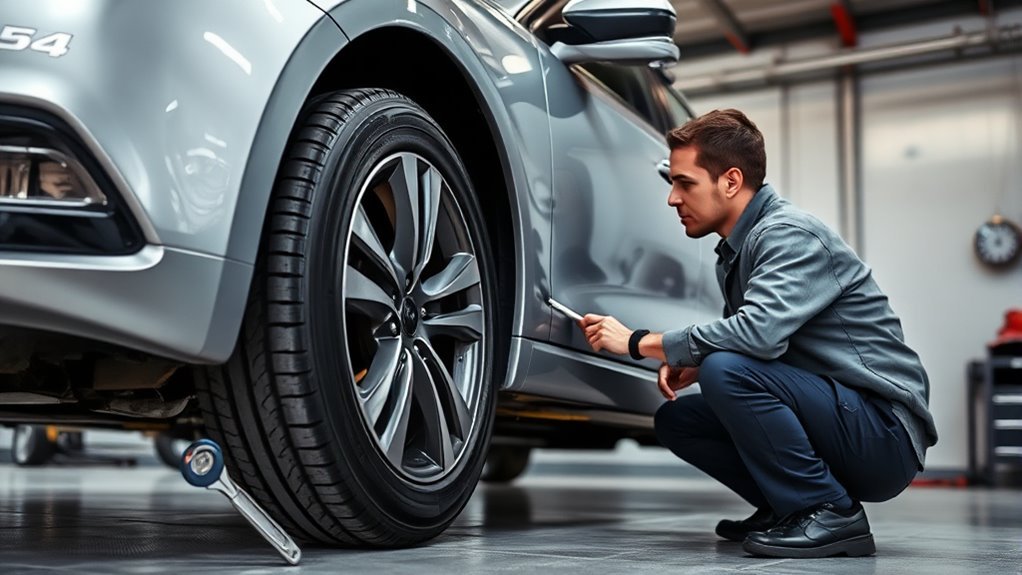
How Often Do I Rotate My Tires?
You should rotate your tires every 5,000 to 8,000 miles to keep them wearing evenly and extend their life. Many manufacturers suggest rotating between 5,000 and 7,500 miles, so checking your owner’s manual for the exact interval is a smart move. Tire rotation is especially important if you drive a front-wheel-drive or all-wheel-drive vehicle, tow heavy loads, or do a lot of stop-and-go driving, as these conditions can wear tires faster.
If you notice uneven tread wear, your car pulling to one side, or extra noise while driving, it’s a good idea to rotate your tires sooner rather than later. Skipping tire rotation can shorten your tire’s lifespan and hurt how your car handles on the road. So, there’s definitely more to know about doing it right to keep your ride smooth and safe.
Key Takeaways
- Rotate tires every 5,000 to 8,000 miles, or follow your owner’s manual for the exact interval.
- Many manufacturers recommend rotation every 5,000 to 7,500 miles, often alongside oil changes.
- You might need to rotate more often if you drive hard, tow heavy loads, or spend a lot of time in stop-and-go traffic.
- Front-wheel-drive, all-wheel-drive, and four-wheel-drive vehicles usually require more frequent rotations.
- If you notice uneven wear, your car pulling to one side, vibrations, or extra road noise, it’s a good sign your tires need rotation now.
How Often Should You Rotate Your Tires?
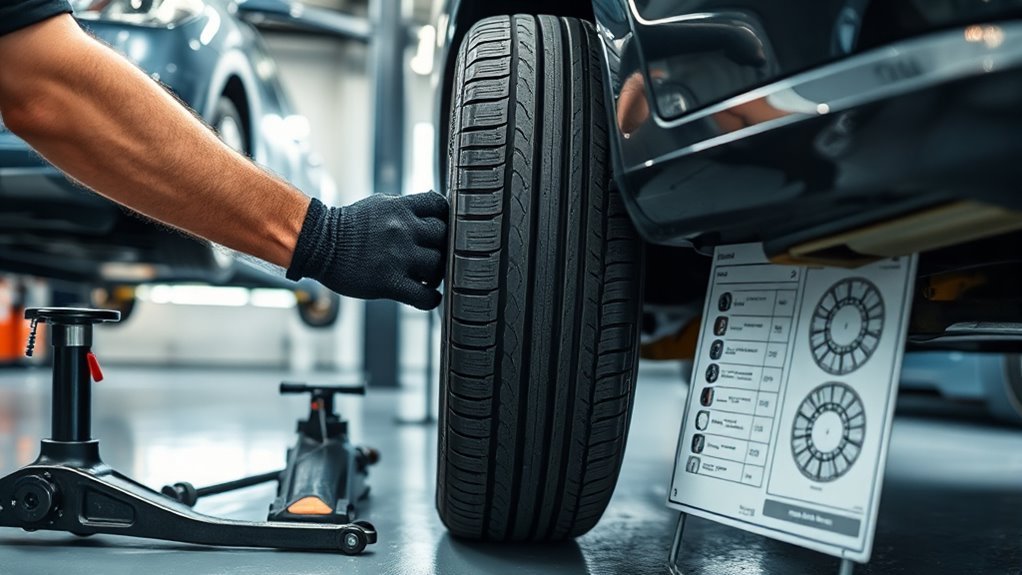
A good rule of thumb is to rotate your tires every 5,000 to 8,000 miles, though you should always check your owner’s manual for the exact interval. You’ll help your tires wear more evenly when you keep this routine on schedule.
If you drive hard, haul heavy loads, or spend lots of time in stop-and-go traffic, you may need to inspect them more often. Watch for uneven tread wear, vibrations, or pulling, since those signs can tell you it’s time sooner than planned.
Don’t wait until one tire looks badly worn. Regular rotations can improve handling, extend tire life, and support safer driving. Set a reminder after each oil change so you don’t miss the service interval.
Tire Rotation Schedules for Different Vehicles
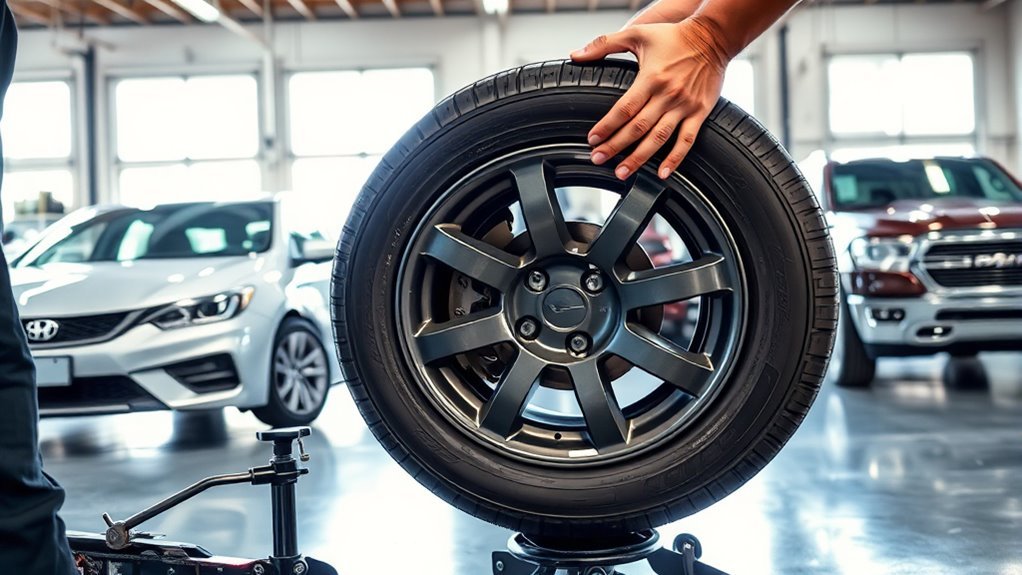
Your rotation schedule can change depending on the vehicle you drive, since tire wear patterns vary by layout and use. If you drive a front-wheel-drive car, you’ll usually rotate more often because the front tires handle steering and most braking.
Rear-wheel-drive vehicles often need the same attention, but the wear balance differs. All-wheel-drive and four-wheel-drive models can demand stricter schedules, since mismatched tire wear can strain the drivetrain.
Many manufacturers recommend rotating every 5,000 to 7,500 miles, but you should check your owner’s manual for your exact model. Some vehicles need a cross pattern, while others use a front-to-back swap only.
Matching the schedule to your vehicle helps you keep tread wear even, improve handling, and extend tire life. It’s worth paying attention to so your tires last longer and your ride stays smooth.
Driving Habits That Affect Tire Rotation
Aggressive driving can wear tires down faster, so you may need to rotate them more often. If you brake hard, corner fast, or speed up quickly, you can scrub tread from one axle sooner than the other.
Your daily routes matter too: stop-and-go traffic, steep hills, and long highway commutes all affect wear patterns differently. Keep these habits in mind:
- Hard braking shifts extra load to the front tires.
- Fast acceleration can increase wear on drive tires.
- Sharp turns stress outer tread more than gentle turns.
- Heavy loads and towing can speed uneven wear.
When you drive smoothly, your tires usually wear more evenly, and rotations can stay on the normal schedule. It really pays off to take it easy on the gas and brakes!
Signs Your Tires Need Rotation Now
You can often tell when tire rotation is overdue by the way your tires start to wear. Check for uneven tread depth, especially if the front tires look smoother than the rear, or if one edge is wearing faster than the other.
You might also notice your vehicle pulling slightly to one side, or a steering wheel that doesn’t feel as steady as usual. Road noise can change too, with a humming or thumping sound becoming more noticeable as wear patterns shift.
If you spot vibration at higher speeds, inspect your tires soon. Don’t wait for a warning light; most tires don’t have one.
A quick visual check and a tread depth gauge can help you decide when it’s time to rotate. It’s easier than you think, and it can save you from bigger problems down the road.
What Happens When You Skip Tire Rotation
If you skip tire rotation, your tires can wear unevenly, with some spots breaking down faster than others. That uneven wear shortens tire life and can force you to replace them sooner.
You’ll also notice weaker handling, which can make your vehicle feel less stable on the road. So, it’s really worth keeping up with rotations to keep things smooth and safe.
Uneven Tread Wear
Over time, skipping tire rotation lets certain tires wear faster than others, creating uneven tread depth across your vehicle. You’ll notice this uneven wear most on the drive tires, the front tires on many cars, or the outer edges if you corner hard.
That mismatch changes how your vehicle grips the road and can make your ride feel less balanced.
- More wear on one axle: One pair of tires can lose tread faster than the other.
- Patchy tread patterns: You may see cupping, feathering, or bald spots.
- Different traction levels: Some tires won’t hold the road the same way.
- Steering pull: Your car may drift or respond unevenly when you turn.
Rotate on schedule so each tire wears more evenly and stays predictable. It really makes a difference in how your car handles.
Reduced Tire Life
Skipping tire rotation doesn’t just create uneven tread—it shortens the overall life of your tires. When you let one set of tires work harder than the others, you burn through usable rubber faster and force replacements sooner.
That means you end up spending more money over time and get less value from each tire you buy.
| Tire Care Choice | Result | Cost Impact |
|---|---|---|
| Rotate on schedule | Even wear | Longer service life |
| Skip rotations | Faster wear | Earlier replacement |
| Follow tire checks | Better tracking | Smarter spending |
You can protect your investment by rotating tires at the intervals your vehicle maker recommends. Small maintenance steps really add up, and this one helps your tires last as long as possible.
Weaker Handling Performance
When you skip tire rotation, your vehicle can start to feel less predictable on the road. Uneven tread wear changes how each tire grips, so you may notice slower steering response, more pull during turns, and less confidence in wet weather.
Your front and rear tires won’t share the workload evenly, and that imbalance can make handling feel sloppy.
- Steering may feel vague.
- Braking distances can increase.
- Cornering stability may drop.
- Traction can vary from one tire to another.
If you ignore rotation for too long, you’re more likely to overcorrect or lose control during sudden maneuvers. Regular rotation keeps tread wear balanced, so your car responds more consistently and safely.
How to Rotate Your Tires the Right Way
To rotate your tires the right way, start by checking your owner’s manual for the correct pattern. The right method depends on whether your vehicle has front-wheel, rear-wheel, all-wheel, or directional tires.
Start by checking your owner’s manual for the correct tire rotation pattern.
Once you know the pattern, loosen the lug nuts slightly, lift the vehicle with a jack, and secure it on stands. Move each tire to its new position exactly as recommended, keeping directional tires on the correct side.
While the wheels are off, inspect tread depth, sidewalls, and uneven wear. It’s a good time to clean the wheel hubs before reinstalling the tires.
Then, tighten the lug nuts by hand. Lower the vehicle and torque the nuts to spec in a star pattern.
After driving a short distance, go ahead and recheck the torque for safety. It’s a small step that makes a big difference.
Frequently Asked Questions
Can I Rotate Tires Myself at Home?
Yes, you can rotate tires yourself at home if you’ve got a jack, jack stands, a lug wrench, and a safe, level spot.
Just make sure to follow your owner’s manual for the pattern. Torque the lugs properly, and double-check everything.
It’s not too hard once you get the hang of it! Just take your time and be safe.
Do Tire Rotations Need Wheel Balancing Too?
No, you don’t usually need wheel balancing with tire rotations; think of them as dance partners, not twins.
You’ll only need balancing if you feel vibration, spot uneven wear, or replace tires.
Does Tire Pressure Affect Rotation Timing?
Yes, tire pressure can affect rotation timing because uneven inflation changes wear patterns. You should check and correct pressure regularly.
Then, rotate sooner if you notice uneven wear, vibrations, or handling changes. Keeping an eye on your tires helps keep everything running smoothly.
Should Spare Tires Be Rotated as Well?
About 60% of drivers ignore spares, but you should rotate yours only if it’s a full-size matching tire.
Doing this helps protect wear balance and extend the tire’s life. Compact doughnuts, on the other hand, aren’t meant for regular rotation.
How Much Does a Tire Rotation Cost?
You’ll usually pay about $20 to $50 for a tire rotation, though some shops include it free with service packages.
You can save money by checking your warranty, membership perks, or dealership promotions. It’s always worth a quick look before you book!
Conclusion
Rotating your tires every 5,000 to 8,000 miles helps you get the most out of them and keeps your ride safe and smooth. It’s a simple step that can make a big difference in tire life and vehicle performance.
If you drive hard, carry heavy loads, or notice uneven wear, don’t wait—take action sooner. Ignoring tire rotation can lead to uneven tread wear, which costs you money and reduces traction on the road.
So, keep an eye on your mileage and stick to your vehicle’s recommended rotation schedule. Staying on top of tire maintenance not only improves handling but also extends the life of your tires. Regular tire rotation is an easy way to save money, boost safety, and enjoy a smoother driving experience overall.