
How Long Does It Take to Change Tires?
Changing tires usually takes about 30 to 60 minutes for a simple swap, but your exact time depends on your vehicle, tools, and experience.
The process of changing tires can vary quite a bit depending on several factors.
If you’re new to the job, expect extra time for loosening lug nuts, jacking up the car, swapping the wheel, and tightening everything properly.
Flats can be faster, while SUVs, trucks, and rusted hardware can slow you down.
Keep going to see what changes the timeline most. It’s helpful to know what to expect before you start, so you’re not caught off guard by any delays or difficulties.
Key Takeaways
- A simple tire change usually takes 30 to 60 minutes for a DIYer.
- If you have a flat tire and a spare ready, swapping it out can take about 10 to 20 minutes.
- Tire rotations typically take 20 to 40 minutes.
- Seasonal tire swaps often take 30 to 60 minutes. Sometimes it takes longer if balancing is needed.
- Professional shops can usually change all four tires in 15 to 30 minutes.
How Long Does It Take to Change Tires?
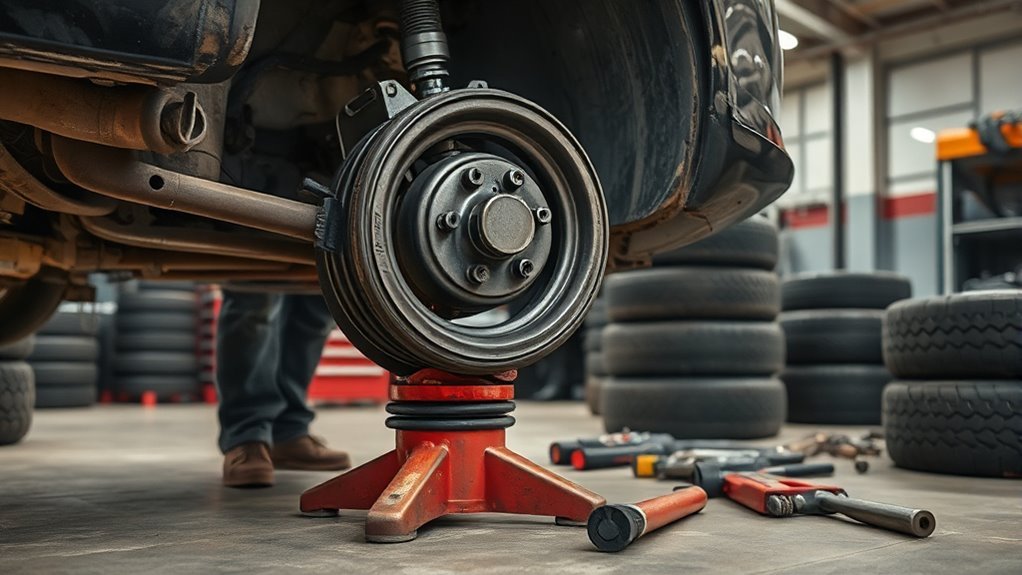
How long it takes to change tires depends on your experience, tools, and the type of tire job, but a simple tire swap usually takes about 30 to 60 minutes. If you’ve done it before, you can often finish faster, especially when you work methodically and stay organized.
If you’re new to it, expect to spend extra time loosening lug nuts, raising the car, removing the wheel, mounting the new tire, and tightening everything properly. You should also set aside a little extra time for checking each wheel after installation.
With a floor jack, lug wrench, and ready-to-use spare, you can handle the job efficiently. Rushing isn’t worth it, because careful work helps you leave with safer, properly secured tires.
What Affects Tire Change Time?

Several factors can change how long a tire swap takes, including your skill level, the tools you’ve got, the vehicle you’re working on, and whether you’re replacing one tire or all four.
If you’ve done it before, you’ll likely move faster because you already know the jacking points, lug pattern, and torque steps.
Experience speeds things up because you already know the jacking points, lug pattern, and torque steps.
Basic tools can slow you down if they’re missing, stuck, or awkward to use. Weather, lighting, and a cramped workspace can also add time because you’ll work more carefully.
Tire condition matters, too; rusted lug nuts or damaged hardware can make the job drag.
If you’re changing all four tires, plan for extra minutes since you’ll repeat the same steps several times and check the final torque on each wheel.
How Long Tire Changes Take by Vehicle

The vehicle you’re working on can change tire swap time just as much as your skill or tools. On a compact sedan, you can usually finish a basic tire change in 20 to 40 minutes because the wheels are easy to reach and the hardware is simple.
On an SUV or truck, you’ll often need 30 to 60 minutes, since the tires are heavier and the vehicle may sit higher off the ground. A sports car can take less time if you have low-clearance access, but tight wheel wells may slow you down.
If you drive a luxury or electric vehicle, special jacking points, locking lugs, or larger wheel assemblies can add extra minutes. Overall, your vehicle’s size, weight, and design shape the pace.
DIY vs. Professional Tire Change Times
Tackling a tire change yourself usually takes longer than having a shop do it, especially if you’re working with a jack, lug wrench, and no lift. You might spend 30 to 60 minutes on one wheel if everything goes smoothly, while a trained technician can often finish all four in 15 to 30 minutes.
At home, you handle every step, from loosening lug nuts to tightening them again, so each pause adds time. In a shop, you benefit from team workflow, proper tools, and muscle memory.
If you’re changing tires for the first time, expect extra minutes as you check each step carefully. Even so, DIY can still make sense when you value convenience, privacy, or learning the process yourself.
What Makes a Tire Change Take Longer?
Even a routine tire change can take longer when rusted lug nuts, uneven ground, or a stubborn wheel slow you down. If you’re working with the wrong tools, you’ll lose time searching for a socket, jack, or torque wrench.
You can also hit delays when your spare is buried under cargo or your wheel lock key isn’t handy. Poor lighting makes each step slower, and cold weather stiffens rubber and metal, which can make parts harder to handle.
If you’re new to the process, you may pause to double-check each move, and that caution adds minutes. Even tire pressure checks and proper tightening take extra time when you’re careful.
Small problems stack up fast, turning a quick job into a longer one. It’s those little things that really slow you down more than you might expect.
Tire Change Time for Flats, Rotations, and Seasonal Swaps
How long a tire change takes also depends on the job you’re doing. A flat replacement can be quick if you’ve got the spare ready and the lug nuts cooperate.
A tire rotation usually takes longer because you move all four tires and check wear patterns. Seasonal swaps often sit in the middle, especially if you’re changing from winter to summer tires and balancing them too.
| Job | Typical Time | Notes |
|---|---|---|
| Flat tire | 10-20 min | Faster with tools ready |
| Tire rotation | 20-40 min | Includes repositioning all tires |
| Seasonal swap | 30-60 min | May need balancing |
You’ll save time by keeping your tools handy, but shops often work faster because they lift, loosen, and torque everything with efficient equipment.
Frequently Asked Questions
Can Tire Changes Be Done in Bad Weather?
Yes, you can change tires in bad weather, but you should use caution. You’ll want stable ground, proper lighting, and dry traction if possible.
If conditions feel unsafe, wait for help instead. It’s better to be safe than sorry.
Do Run-Flat Tires Take Longer to Change?
Yes, you’ll usually spend more time on run-flat tires, not less. Their stiffer sidewalls fight you, so the job feels like tugging at steel instead of rubber.
You may also need specialized tools to get the job done right. It’s definitely not as straightforward as changing regular tires.
Should Tire Pressure Be Checked After Installation?
Yes, you should check tire pressure after installation. You’ll want to verify each tire matches the recommended PSI, since handling and safety depend on it.
It’s a good idea to recheck after a short drive, too, just to make sure the readings are accurate. Better safe than sorry!
How Often Should Lug Nuts Be Retorqued?
You should retorque lug nuts after 50 to 100 miles, then check them again at your next tire rotation.
Doing this helps prevent loosening and protects the wheel. Plus, it keeps your ride safe.
Can Tire Sensors Be Damaged During a Tire Change?
Yes, you can damage tire sensors during a tire change if you’re careless. You should handle them gently and avoid prying on the valve stem.
Also, make sure the shop knows they’re there. That way, they can take extra care during the process.
Conclusion
So, when you’re wondering how long it takes to change tires, the answer is usually not long at all—but it can vary a bit. Your vehicle, the tools you’ve got, and whether you’re handling a flat, a rotation, or a seasonal swap all play a part.
In the end, you’ll find the job often moves along nicely. With a little care, you can get back on the road without much fuss. Changing tires is generally quick and straightforward, especially if you have the right equipment and some experience.
Whether you’re dealing with a simple tire rotation or swapping out winter tires for summer ones, it usually won’t take more than 30 to 45 minutes. So don’t stress—changing tires is a manageable task that helps keep your vehicle safe and running smoothly.