How Do You Know You Need New Tires
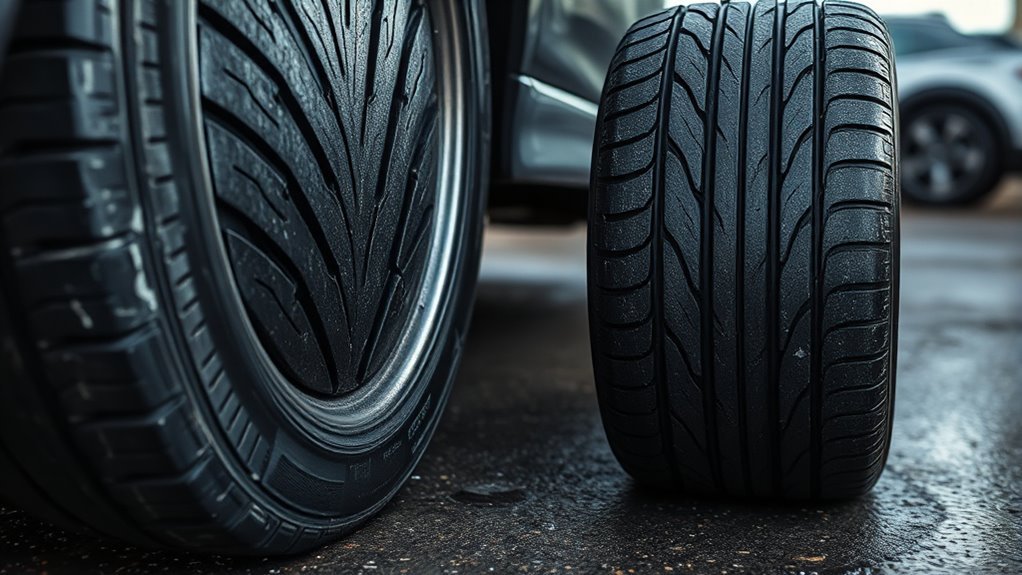
You need new tires when the tread is low, wear looks uneven, or the rubber shows cracks, bulges, or sidewall damage. These signs mean your tires aren’t safe anymore and could cause problems while driving. It’s important to regularly check your tires to avoid unexpected issues on the road.
If your car pulls to one side, vibrates, or makes new humming or thumping noises, your tires may be worn or damaged. These symptoms are often the first clues that your tires need attention.
Check tread depth in several spots, and don’t ignore age either. Even if the tread seems fine, old tires can lose grip fast, and there’s more to spot. Keeping an eye on your tires helps keep you safe and your ride smooth.
Key Takeaways
- Tires need replacement when tread is below safe depth. Especially if the penny test shows Lincoln’s head, it’s time to change them.
- Uneven wear patterns, like bald edges or feathered tread, often signal alignment or suspension problems. You’ll want to get those checked out to avoid further damage.
- Cracks, bulges, cuts, or sidewall bubbles mean the tire may be structurally unsafe. Don’t ignore these signs because they can lead to serious issues.
- Vibration, shaking, or unusual humming while driving can indicate tire damage or imbalance. If you notice these, it’s a good idea to have your tires inspected.
- Tires older than six to ten years may need replacement even if the tread still looks acceptable. Age affects rubber quality, so better safe than sorry!
Signs of Uneven Tire Wear
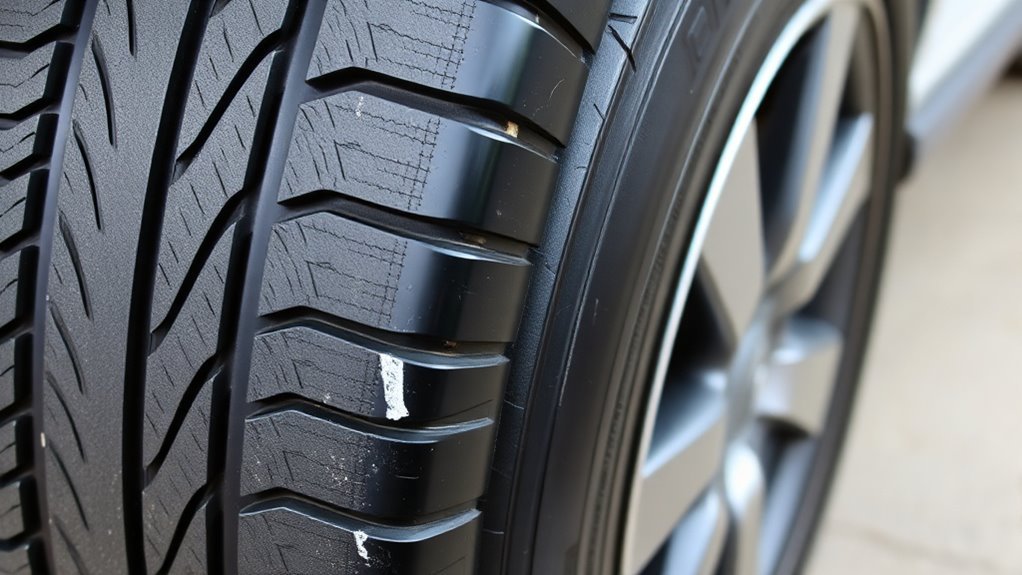
Uneven tire wear often shows up before your tires are fully worn out, and it’s one of the clearest signs that something’s off. You might notice the edges wearing faster than the center, one tire looking more bald than the others, or a patchy, feathered surface across the tread.
Uneven tire wear often appears early, with edges, patches, or one tire wearing faster than the rest.
These patterns usually point to alignment issues, incorrect inflation, or suspension problems. If your car pulls to one side, the wear can get worse quickly and affect handling.
You shouldn’t ignore it, because the problem often spreads to other tires and shortens their life. Check all four tires regularly, especially after rough roads or curb impacts.
When the wear looks uneven, you need to have your vehicle inspected soon, before the issue gets more expensive. It’s better to catch it early and save yourself some trouble down the road.
Check Tire Tread Depth
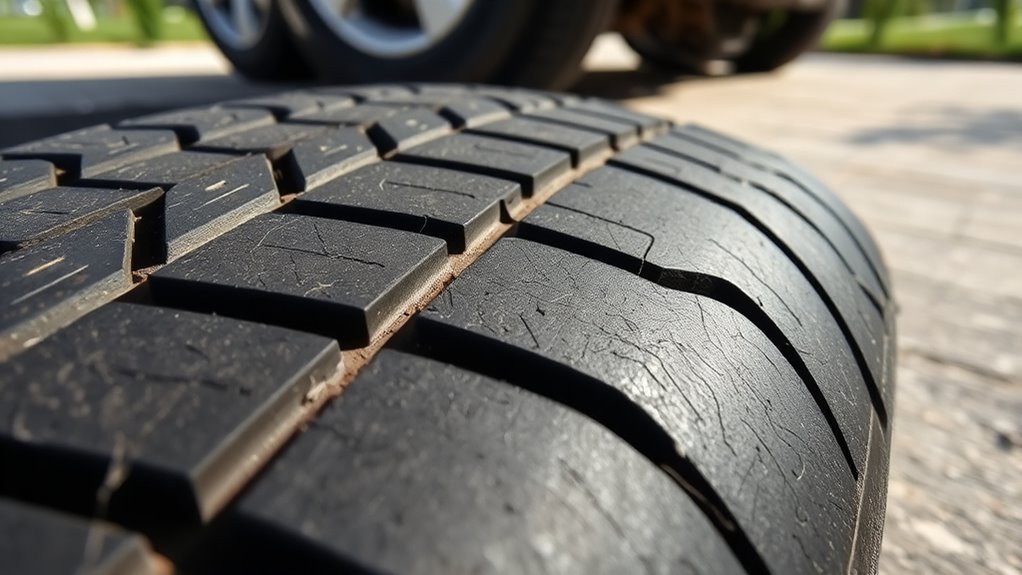
Another way to judge tire condition is by checking tread depth, since worn tread can be just as risky as uneven wear. You can use a tread depth gauge, or try the penny test: insert a penny into the grooves with Lincoln’s head down.
If you can see the top of his head, your tread is too shallow. Adequate tread helps your tires grip wet roads, brake effectively, and resist hydroplaning.
Check several spots across each tire, because tread can wear at different rates. If one or more tires fall below the safe limit, it’s time to replace them.
Even if the tires still look serviceable, low tread means less control and longer stopping distances. So, don’t wait until traction becomes a problem.
Spot Cracks, Bulges, and Sidewall Damage
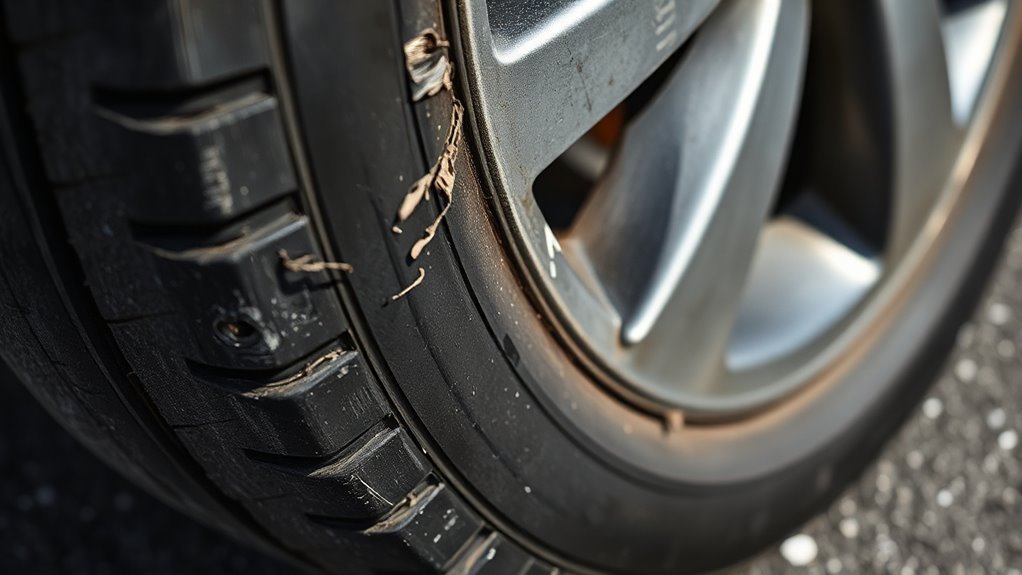
Cracks, bulges, and sidewall damage are clear warning signs that your tires may be unsafe, even if the tread still looks okay. You should inspect the sidewalls every few weeks and after hitting potholes or curbs.
Look for dry rot, cuts, punctures, or any raised area that suggests internal damage. If you see cracks spreading across the rubber or a bubble on the sidewall, replace the tire right away.
These flaws weaken the tire’s structure and can lead to a sudden failure. Don’t ignore small marks, either, because they can grow quickly.
If you’re unsure whether the damage is serious, have a tire professional check it before you drive farther. A damaged sidewall usually means it’s time for a new tire.
Watch for Vibration or Road Noise
Even if your tires look fine on the outside, odd vibrations or unusual road noise can point to trouble. If you feel shaking in the steering wheel, seat, or floorboard, your tires may be worn, out of balance, or damaged internally.
Listen for humming, thumping, or scraping that gets louder as you drive. These sounds often mean the tread isn’t wearing evenly or the tire can’t roll smoothly.
Don’t ignore changes that appear after hitting a pothole or curb. Check all four tires for embedded debris, uneven wear, or visible distortion.
If the vibration keeps returning, schedule an inspection soon. A tire professional can tell whether you need balancing, rotation, or replacement before the problem affects your safety and comfort on the road.
How Old Is Too Old for Tires?
Tires don’t last forever, even if they still look fine. You should check the DOT date on the sidewall to see when they were made. Age can make tires unsafe before the tread wears out.
A common tire age limit is around six to ten years. So, older tires may need replacement. It’s better to be safe than sorry!
Tire Age Limit
Although tire tread may still look decent, age can make a tire unsafe long before it wears out. You should treat old tires as a real safety risk because rubber hardens, cracks, and loses flexibility over time.
Even if you drive lightly, heat, sunlight, and storage conditions still break tire materials down. That means your tires can lose grip, handle poorly, and become more likely to fail suddenly.
In general, you shouldn’t rely on tires that are more than six to ten years old, even if they seem fine. If your tires are aging, schedule an inspection and plan ahead instead of waiting for trouble.
Age alone can justify replacement when you want dependable traction, stable steering, and peace of mind on the road. So, it’s better to be safe and keep an eye on how old your tires really are.
Check DOT Date
To find out how old your tires really are, check the DOT date code on the sidewall. You’ll usually see four digits at the end: the first two show the week, and the last two show the year.
For example, 2521 means the tire was made in the 25th week of 2021. If you can’t find the code, look on the inner sidewall or consult a tire shop.
Even if your tread looks fine, age matters because rubber hardens and weakens over time. Many experts recommend replacing tires around six years old, and you shouldn’t keep them much past ten years, even with light use.
Always inspect for cracks, bulges, or dry rot, since those signs mean you need replacement sooner than expected. It’s better to be safe than sorry!
When Tire Wear Becomes a Safety Risk
You can spot tire wear becoming a safety risk by watching tread depth for warning signs like reduced grip or visible wear bars.
Look for cracks in the sidewalls and uneven wear across the tread, since both can signal trouble.
If you notice either issue, it’s time to inspect your tires closely and replace them if needed.
Tread Depth Warning Signs
As tread wears down, your tires lose the grip they need to handle rain, braking, and sharp turns safely. You can spot warning signs before a failure happens.
If your tires slide more easily on wet roads, take longer to stop, or feel less stable in corners, the tread may be too shallow. Check the tread with a quarter: insert it into the grooves, and if you can see the top of Washington’s head, you likely need new tires.
Many tires also include built-in wear bars that sit flush with the tread when replacement’s due. Don’t wait for poor traction to become a hazard.
Once tread reaches the legal minimum or performance drops noticeably, replace the tires so you can keep control and drive with confidence.
Cracks And Uneven Wear
Cracks in the sidewall or between tread blocks can mean the rubber is drying out and weakening, even if there’s still tread left. When you spot these splits, don’t ignore them.
Sun, heat, and age can break down the tire compound, and deeper cracks can lead to air loss or a blowout.
Uneven wear is another red flag. If one edge wears faster, your alignment, inflation, or suspension may be off.
If the center wears first, you may be overinflating the tire. Cupping or patchy wear can signal worn shocks or imbalance.
Check all four tires regularly, and compare patterns side to side. If wear looks irregular or cracks keep spreading, you should replace the tire before it compromises grip, braking, and control.
Frequently Asked Questions
What Tire Pressure Should I Keep for Optimal Tire Life?
Keep your tires at the pressure listed on your vehicle’s door placard, usually checked cold. You’ll reduce uneven wear, improve handling, and extend tire life.
It’s a good idea to check your tire pressure monthly and before long trips. That way, you can catch any issues early and keep your ride smooth and safe.
How Often Should I Rotate My Tires?
You should rotate your tires every 5,000 to 8,000 miles. Rough roads wear them unevenly, while smooth highways can lull you into a false sense of confidence.
Check your owner’s manual for specific advice. Doing this will help you keep traction, balance, and tire life strong.
Do Seasonal Temperatures Affect When I Need New Tires?
Yes—seasonal temperatures can change how your tires wear and grip, so you may need replacements sooner. Heat speeds wear, while cold hardens rubber, reducing traction.
It’s a good idea to check tread depth and sidewalls regularly. That way, you can catch any issues early and stay safe on the road.
Can I Replace Only Two Tires Instead of All Four?
Yes, you can replace only two tires, but you should match them closely to the others and put them on the rear axle.
Check your owner’s manual first, because all-wheel-drive vehicles may need four matching tires.
It’s usually best to keep things balanced for safety and performance. So, matching tires really matters!
What Type of Tires Is Best for My Driving Conditions?
You’ll want tires matched to your driving conditions: all-season for everyday use, winter for snow and ice, and performance or all-terrain for specific needs.
Check your climate, road surfaces, and driving habits first. It really helps to know what you’ll be driving on most of the time.
Conclusion
So, if your tires start showing uneven wear, thin tread, ugly cracks, bulges, or they suddenly feel noisy and shaky, that’s your car’s way of quietly begging for help. Ironically, the one part of your vehicle meant to keep you on the road can become the reason you leave it.
Don’t wait for “just a little longer” to turn into a dangerous mistake. Check them now—because worn tires never improve with time.
Remember, tires are the only contact between your vehicle and the road, so their condition directly affects your safety. Driving on worn or damaged tires increases the risk of accidents and poor vehicle handling. Regularly inspecting your tires for signs like uneven wear, low tread depth, cracks, or bulges is essential. If you notice any of these warning signs, it’s time to replace your tires to ensure a smooth, safe ride. Don’t ignore the warning signals—new tires can save you from unexpected breakdowns and keep you confidently on the road.