What Is Tire Rotation?
Tire rotation is when you move your tires to different wheel positions so they wear more evenly. It’s an important part of regular vehicle maintenance that helps your tires last longer and perform better. By rotating your tires, you can avoid uneven wear that might lead to premature tire replacement.
You might shift the front tires to the rear, or swap them side to side, depending on your vehicle and tire type. This simple process helps extend tire life, improve handling, and keep traction more consistent. It’s kind of like giving your tires a chance to rest and work in different spots.
Your owner’s manual should show the right pattern and interval for tire rotation. If you keep going with regular rotations, you’ll see how it protects your tires even more over time. It’s an easy way to get the most out of your tires and drive safely.
Key Takeaways
- Tire rotation is the practice of moving tires between wheel positions to promote even wear. It helps tires last longer by spreading steering, braking, and load stress across all four tires.
- Rotation patterns depend on drivetrain, tread type, and tire size, so the owner’s manual should be checked. Most vehicles benefit from rotation every 5,000 to 8,000 miles, or at regular oil-change intervals.
- Uneven wear, vibration, or pulling can signal it is time to rotate tires sooner. So, keep an eye out for these signs to make sure your tires stay in good shape.
What Is Tire Rotation?

Tire rotation is the process of moving your tires from one position on your vehicle to another so they wear more evenly. You might switch the front tires to the rear, or move them side to side, depending on your vehicle’s layout and the tread pattern.
Because each wheel position handles different loads, steering, and braking forces, your tires don’t wear at the same rate. When you rotate them on a regular schedule, you help keep tread wear balanced across all four tires.
That means you can maintain a smoother ride and better handling. Your owner’s manual usually lists the recommended rotation pattern and interval, so you should follow those directions closely for your specific car, truck, or SUV.
Why Tire Rotation Extends Tire Life

When you rotate your tires regularly, you spread wear more evenly across all four, which helps prevent one set from wearing out much faster than the others. You also reduce the strain that uneven tread depth puts on your suspension and steering components.
By changing each tire’s position, you give every tire a chance to handle different loads and road forces, which slows down premature damage. That means you can keep the same set on your vehicle longer before you need replacements.
Rotation also helps maintain balanced traction, so your tires can perform more consistently as they age. If you skip it, certain tires can lose tread quickly and force you into an earlier, more expensive replacement.
Regular rotation protects your investment and helps you get more miles from every tire. It’s a simple step that makes a big difference in how long your tires last.
Common Tire Rotation Patterns
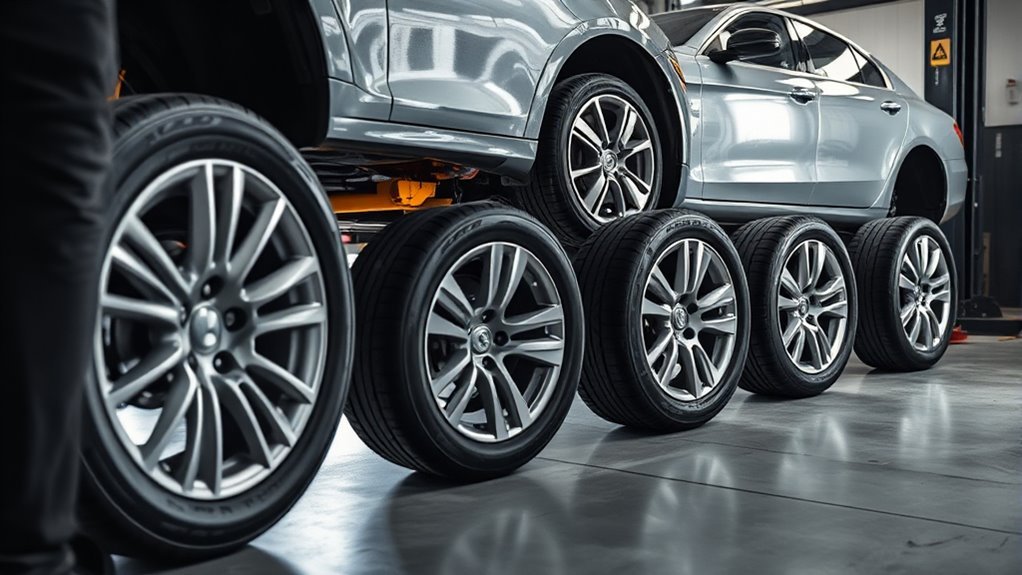
Several tire rotation patterns can help you keep wear even, but the right one depends on your vehicle, tire type, and drivetrain. On many front-wheel-drive vehicles, you’ll move the front tires straight back and bring the rear tires forward to the opposite sides.
For rear-wheel-drive or all-wheel-drive setups, you may cross the tires differently to balance the load. If you use directional tires, you’ll usually keep them on the same side and switch front to rear.
If you have staggered sizes, you often can’t rotate them in the usual way. Check your owner’s manual for the approved pattern, because mismatching a tire’s direction or position can hurt performance and shorten tire life.
When to Rotate Your Tires
You should rotate your tires at the mileage interval your vehicle maker recommends, often every 5,000 to 8,000 miles. Watch for warning signs like uneven wear, vibration, or pulling. These can mean it’s time sooner.
You can also plan rotations around seasonal changes. Especially when you switch between winter and summer tires, it’s a good idea to rotate them.
Mileage Rotation Intervals
Most vehicles benefit from a tire rotation every 5,000 to 7,500 miles, though your owner’s manual may call for a different interval based on the drivetrain and tire type. You can plan the service around routine maintenance so you don’t forget it.
If you drive mainly in the city, tow often, or travel on rough roads, you may need earlier rotations to keep wear even.
- Check your owner’s manual first.
- Match the interval to your driving habits.
- Rotate at every other oil change, if that fits the mileage.
- Keep a log so you stay on schedule.
Sticking to a regular mileage interval helps your tires wear more evenly and can support smoother handling over time. It’s definitely worth the effort!
Warning Signs To Watch
Keep an eye out for uneven tread wear, because it often signals it’s time to rotate your tires sooner rather than later. If you notice the front tires wearing faster than the rear, or one edge looking smoother than the other, your tires may be out of balance in their wear pattern.
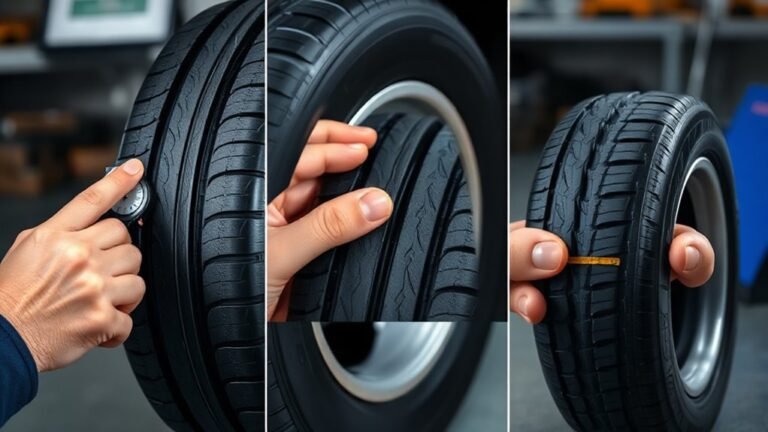
You should also pay attention to vibration, pulling to one side, or noisy rolling, since these signs can point to irregular wear. Check your tread depth regularly with a gauge or the penny test, and compare all four tires for differences.
If one tire looks noticeably more worn, don’t wait for a scheduled service interval. Rotate them promptly so you can help extend tire life, maintain traction, and support safer handling on the road.
Seasonal Rotation Timing
A good rule of thumb is to rotate your tires with the seasons, since changing weather and road conditions can affect wear patterns. You should plan ahead so you don’t miss the best time.
If you drive through winter slush, summer heat, or frequent rain, your tires can wear unevenly faster than you expect. Check your owner’s manual, but use these timing cues:
- Rotate every 5,000 to 8,000 miles.
- Schedule it when you switch from winter to spring tires.
- Do it before long road trips.
- Rotate sooner if you notice uneven tread wear.
Signs It’s Time to Rotate Your Tires
You’ll usually notice it’s time to rotate your tires when the tread starts wearing unevenly, your steering feels slightly off, or the car begins to vibrate at certain speeds.
You might also see more wear on the front tires if you do lots of stopping, turning, or short trips. Check each tire often for bald edges, feathering, or depth differences between the front and rear tires.
If your vehicle pulls to one side even after proper alignment, rotation can help balance wear patterns. Don’t wait for a problem to get obvious; a quick visual check can catch early signs.
When you spot these changes, rotate your tires soon to help them wear evenly, improve handling, and keep your ride smoother for longer.
Tire Rotation Costs and Service Options
Tire rotation is usually one of the more affordable maintenance jobs, and the price often depends on where you go and what’s included. You might pay less at a quick-lube shop, while a dealership or tire retailer may charge more but bundle extra checks.
If you keep up with rotations, you can protect your tires and stretch their lifespan.
- Basic rotation: you pay for the swap only.
- Package service: you get rotation plus inspection.
- Dealership visit: you may get factory-trained techs.
- Mobile service: you save time, but pricing can be higher.
Ask whether balancing, alignment, or pressure checks cost extra. You should compare quotes, then choose the option that fits your budget and maintenance needs.
Frequently Asked Questions
Can Tire Rotation Improve Fuel Efficiency?
Yes, tire rotation can improve fuel efficiency a bit because you’ll spread wear more evenly, reduce rolling resistance, and help your tires work efficiently.
You’ll also extend tire life and maintain better handling overall. It’s a simple maintenance step that really pays off in the long run.
Does Tire Rotation Affect Wheel Alignment?
Absolutely—tire rotation can seem like a magic trick for your car, but it doesn’t change alignment. You’re just swapping tire positions.
Alignment involves adjusting suspension angles, so you’ll still need a separate alignment service. It’s a different process altogether.
Should All-Season and Winter Tires Be Rotated Differently?
Yes, you should rotate them differently if your vehicle and tire types require it. You’ll follow the tread design and drivetrain pattern, so you keep winter and all-season tires wearing evenly and performing safely.
It’s all about making sure your tires last longer and work their best. So, paying attention to how you rotate them can make a big difference.
Can I Rotate Tires Myself at Home?
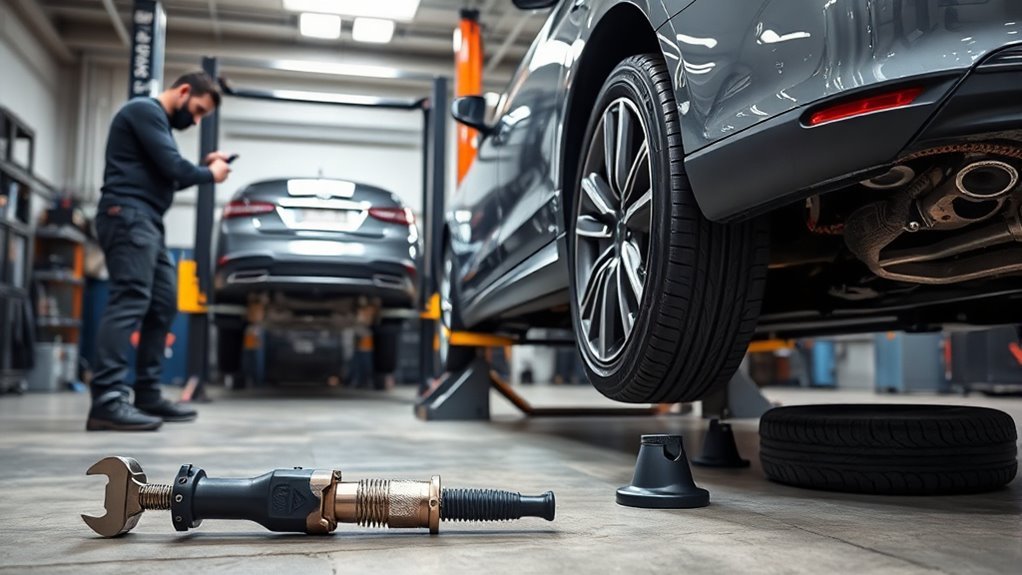
Yes, you can rotate tires yourself at home if you’ve got a jack, stands, lug wrench, and your vehicle’s pattern.
Just make sure to check the torque specs, swap positions carefully, and inspect the tread while you’re at it.
It’s a pretty straightforward job once you get the hang of it. Just take your time and be safe!
Does Tire Rotation Void Any Tire Warranty?
Usually, it doesn’t void your tire warranty, but you’ll need to follow the manufacturer’s rotation schedule and keep records.
If you skip required rotations, you could lose coverage for uneven wear claims later. So, it’s really important to stay on top of it to keep your warranty valid.
Conclusion
So, what happens if you skip tire rotation? Your tires start wearing unevenly, your ride gets rougher, and you may be headed for a costly surprise.
But when you rotate them on time, you help them last longer, grip better, and perform more safely. The difference can be bigger than you think.
Keep an eye on your mileage, watch for the signs, and don’t wait too long—your tires could be telling you something now. Regular tire rotation is key to even tire wear, improving vehicle handling, and extending the life of your tires. By staying on top of this simple maintenance task, you ensure a smoother, safer ride and avoid unexpected expenses down the road. So, remember, tire rotation isn’t just a recommendation—it’s essential for your tires’ performance and your safety.