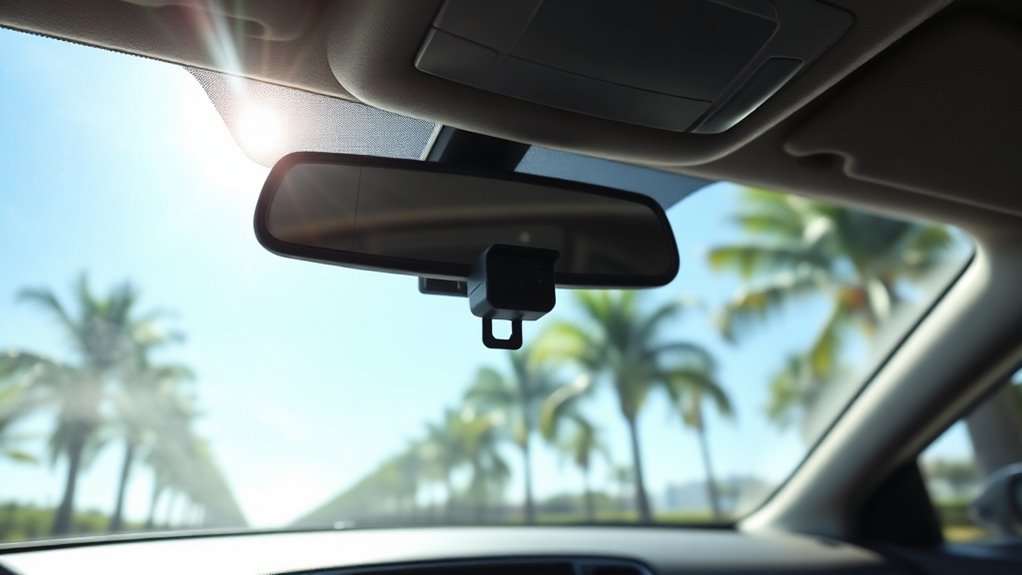
Are Dash Cams Legal in Florida?
Yes, you can legally use dash cams in Florida, but there are a few important rules to keep in mind. Dash cams are a great way to protect yourself on the road by recording video evidence. However, you need to make sure your camera is mounted securely and doesn’t block your windshield or your view while driving.
Typically, placing the camera behind the rearview mirror or low on the dashboard works best. While video recording is allowed, Florida law requires you to get consent before recording any audio. So, if your dash cam records sound, be sure you’re following this rule.
Also, make sure your footage is lawfully obtained and that you respect others’ privacy. This helps keep your recordings admissible in court if you ever need them. Keep these guidelines in mind to stay compliant and protect yourself on the road. For more details on dash cam usage and laws, you can check official resources.
Key Takeaways
– Dash cams are legal for Florida drivers and are commonly used to record driving experiences and provide accident evidence.
They’re a handy tool if you want to keep a record of what happens on the road.
– Florida courts often accept dash cam footage as compelling evidence in disputes and traffic cases.
So, having that video can really help if you ever need to prove what happened.
– Just keep in mind, audio recording requires two-party consent.
Recording video without sound is generally allowed without needing passenger consent.
– When you mount your dash cam, put it on the windshield or dashboard.
But make sure it doesn’t block your view or violate any safety rules.
– Always ensure your recordings are legally obtained, respect privacy, and comply with Florida’s current laws and mounting regulations.
That way, you stay on the right side of the law while protecting yourself.
Are Dash Cams Legal for Florida Drivers?

Although laws vary by state, you’ll find that dash cams are legal for Florida drivers. You can install and use dash cams without worrying about breaking any state laws. These devices are considered helpful tools for recording your driving experiences and providing evidence in case of accidents or disputes.
However, you should make certain your dash cam doesn’t obstruct your view while driving, as Florida law requires a clear windshield. Mount your camera in a way that doesn’t interfere with safety or visibility.
While Florida law allows dash cams, remember they must be used responsibly. You’re allowed to record video footage, but the rules around audio recording are stricter and covered separately.
Can Dash Cams Record Audio Legally in Florida?

Since Florida is a two-party consent state, you need to be careful when recording audio with your dash cam. This law means you must have permission from everyone involved in the conversation before recording their voices. Without consent, recording audio could be illegal and lead to criminal charges.
However, video recording without sound is usually allowed, so many drivers disable audio to stay compliant. If you want to record audio legally, make sure you inform passengers and obtain their consent beforehand.
Be mindful that conversations with other drivers or pedestrians require their permission too. To avoid legal trouble, consider using your dash cam for video only or clearly notify all parties if you intend to capture audio during your drives in Florida.
Where Can You Legally Mount a Dash Cam in Florida?
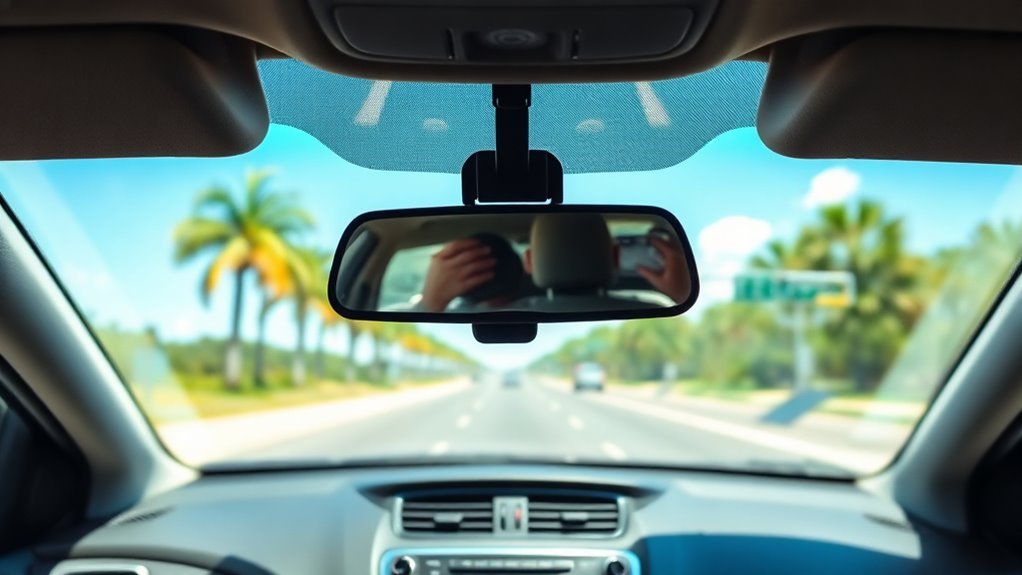
You can mount your dash cam on your windshield or dashboard, but you’ll need to follow specific rules to stay legal in Florida.
Make sure it doesn’t block your view while driving, as obstruction is a key concern.
Let’s look at where exactly you can place your camera without breaking any laws.
Legal Windshield Placement
When mounting a dash cam in Florida, you need to follow specific rules about where it can be placed on your windshield. The law requires that your device doesn’t obstruct your clear view of the road.
This means you can mount the dash cam behind the rearview mirror or within the top 5 inches of the windshield. Placing it here keeps it out of your direct line of sight while still capturing footage effectively.
Avoid positioning the camera in areas covered by windshield wipers or where it might interfere with airbags. Also, don’t place it too low or on the driver’s side where it could distract you.
Following these guidelines guarantees your dash cam stays legal and safe without compromising your visibility.
Dashboard Mounting Rules
Although dash cams are commonly mounted on windshields, Florida law also permits certain dashboard placements, provided they don’t obstruct your view while driving. You can install your dash cam directly on the dashboard, as long as it stays low enough not to block any part of your windshield or interfere with your ability to see the road clearly.
Make sure it’s securely fastened to avoid distractions or falling while driving. Position your device so it captures the road ahead without intruding into your line of sight.
Keep in mind that Florida’s regulations focus on maintaining a clear and safe driving environment, so avoid placing your dash cam where it might cause any visual obstruction or become a hazard. Following these rules helps you stay compliant and safe.
Obstruction Avoidance Guidelines
Since Florida prioritizes clear visibility for drivers, dash cams must be mounted where they won’t obstruct your view of the road. You should place your dash cam low on the windshield, typically behind the rearview mirror, to keep it out of your direct line of sight.
Avoid positioning it too high or in the center where it can block the windshield. Also, make sure the camera doesn’t interfere with airbags or other safety features.
Florida law requires your view to be unobstructed, so mounting on the dashboard might be less ideal if it blocks any part of the windshield. By following these obstruction avoidance guidelines, you’ll stay within legal limits and keep your driving safe and distraction-free.
Florida Privacy Rules for Dash Cam Recordings?
You need to understand Florida’s privacy rules before using a dash cam. Consent requirements vary depending on whether you’re recording in public or private spaces.
Let’s look at when you can record without permission and when you must get consent. It’s pretty important to know this so you don’t accidentally break any laws.
Consent Requirements
When using a dash cam in Florida, understanding consent requirements is essential to guarantee your recordings comply with state privacy laws. Florida is a “one-party consent” state, meaning you only need consent from one party involved in the conversation or recording.
Here’s what you should keep in mind:
- You can legally record audio or video inside your vehicle without notifying passengers since you’re one party to the recording.
- Recording conversations or interactions with others outside your vehicle doesn’t require their consent, as long as it’s in a place where no reasonable expectation of privacy exists.
- Avoid secretly recording private conversations where people expect confidentiality, as this could violate Florida’s wiretapping laws.
Following these rules helps you use your dash cam legally and respectfully. Just keep it straightforward and respectful, and you’ll be good to go!
Public vs. Private Spaces
Understanding consent requirements sets the stage for recognizing how Florida’s privacy laws apply differently depending on where your dash cam recordings take place.
When you record in public spaces, consent is generally not required since there’s no reasonable expectation of privacy. However, in private spaces, the rules tighten. You must be careful not to violate privacy rights, especially in areas where people expect confidentiality.
| Location | Consent Needed? | Privacy Expectation |
|---|---|---|
| Public Roads | No | Low |
| Private Property | Yes | High |
| Enclosed Spaces | Yes | Very High |
| Commercial Areas | Varies | Moderate |
Always respect boundaries to avoid legal trouble with your dash cam footage. It’s better to be safe than sorry!
How Do Florida Courts Use Dash Cam Footage?
Florida courts often rely on dash cam footage as compelling evidence in traffic and criminal cases. When you present dash cam videos, the court views them as objective proof that can clarify disputed events.
Here’s how they typically use this footage: They verify the sequence of events during accidents, helping establish fault. They also support or refute witness testimonies by showing the actual incident.
Plus, dash cam videos provide visual evidence in DUI or reckless driving cases, which can strengthen either the prosecution or the defense.
As you can see, dash cam recordings can strongly influence case outcomes by offering clear, unbiased insight into what really happened. Just remember, the footage must be legally obtained and relevant to the case to be admissible.
Tips for Choosing and Using Dash Cams Legally in Florida
Choosing and using dash cams legally in Florida means knowing the state’s specific rules and privacy considerations. First, pick a dash cam that records only public areas, avoiding audio recording unless you have consent, as Florida is a two-party consent state for audio.
To use dash cams legally in Florida, record public areas and obtain consent before capturing audio.
Mount your camera securely without obstructing your view or violating windshield laws. Always inform passengers if your dash cam records audio to respect their privacy.
Use the footage responsibly—don’t share videos that invade others’ privacy or capture private conversations. Regularly check local laws, as regulations can change.
Finally, make sure your dash cam doesn’t distract you while driving. By following these tips, you can protect yourself legally and enjoy the benefits of your dash cam without risking privacy violations or legal trouble.
Frequently Asked Questions
Can Dash Cams Be Used for Insurance Claims in Florida?
Yes, you can use dash cam footage for insurance claims in Florida. It helps provide clear evidence of accidents, speeding up the claim process and supporting your case effectively.
Just make sure the video is clear and relevant. That way, it’s easier for everyone involved to understand what happened.
Do Dash Cams Drain Car Batteries if Left On?
Yes, dash cams can drain your car battery if left on for long periods without the engine running.
To avoid this, use a hardwire kit with a low-voltage cutoff. Or, simply unplug the dash cam when your car’s off.
Are There Recommended Brands for Dash Cams in Florida?
Imagine a sleek Garmin beside budget-friendly Rexing; you’ll want Garmin or Vantrue for reliability and clear footage.
They offer excellent features without draining your battery, making them perfect for Florida’s sunny, unpredictable roads.
Can Dash Cam Footage Be Submitted in Traffic Ticket Disputes?
Yes, you can submit dash cam footage in traffic ticket disputes. Make sure the video clearly shows the incident, and keep the original file intact.
This evidence can really strengthen your case in court or with the ticketing authority. It’s a good idea to double-check the quality and relevance before submitting it.
How Long Should Dash Cam Recordings Be Stored?
You’ll want to store dash cam recordings for at least 30 days, just in case a surprise accident or ticket shows up.
That way, you’re ready to review or share footage whenever you need it. It’s always better to have it on hand than to wish you did later.
Conclusion
So, are dash cams legal in Florida? Absolutely! You can use them without any legal issues.
But remember, it’s not just about having one—it’s about using it wisely. Recording video is generally fine, but be cautious with audio recordings and where you mount the camera.
Think of your dash cam as your silent co-pilot: it’s super helpful but needs your careful guidance. Follow Florida’s laws, respect privacy, and use your dash cam responsibly.
By doing this, you’ll capture the road’s story just right—providing clear evidence when you need it most. Dash cams in Florida are legal and can protect you in accidents or disputes, so having one is a smart move. Just make sure to comply with mounting rules and audio laws to stay safe and legal on the road.