Who Makes Ironman Tires?
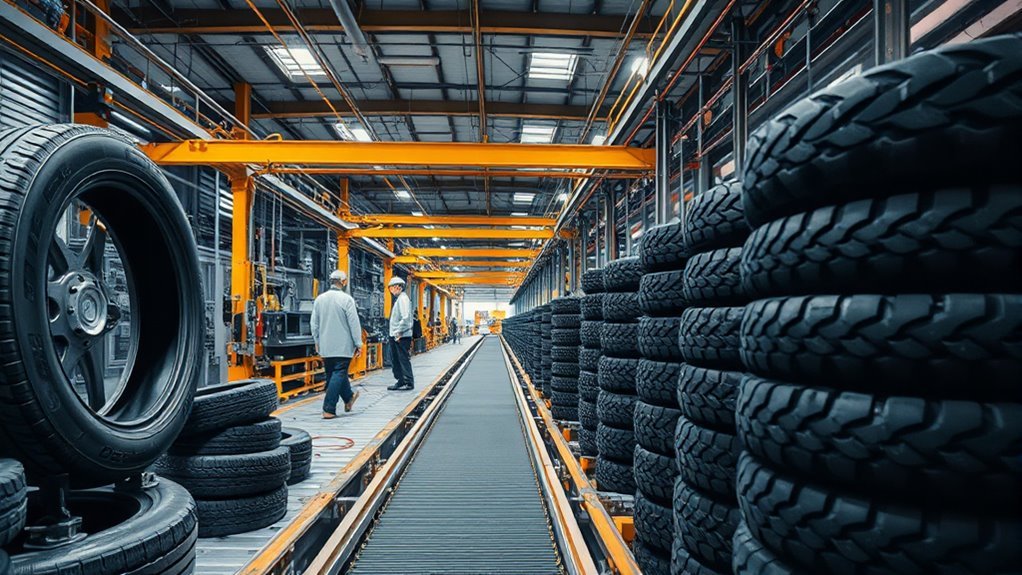
Ironman tires are made and managed by Hercules Tire & Rubber Company, which develops, markets, and distributes the brand. If you’re searching for reliable, budget-friendly tires, Ironman is a solid value option rather than a premium line. They offer a range of tires designed to fit passenger cars, SUVs, crossovers, and light trucks.
You’ll find several types, including touring, all-season, all-terrain, and mud-terrain choices. These tires are built for everyday use, balancing performance and affordability. There’s definitely more to know about how Ironman tires stack up in terms of quality and durability.
Key Takeaways
- Ironman tires are made under Hercules Tire & Rubber Company. Hercules develops, markets, and distributes the Ironman brand.
- They also oversee Ironman’s design standards and manufacturing relationships. So, they keep a close eye on quality and production.
- Ironman is positioned as an economy-focused, value tire line. It’s aimed at those looking for budget-friendly options.
- The brand offers tires for passenger cars, SUVs, and light trucks. Basically, it covers a range of everyday vehicles without breaking the bank.
Who Makes Ironman Tires?
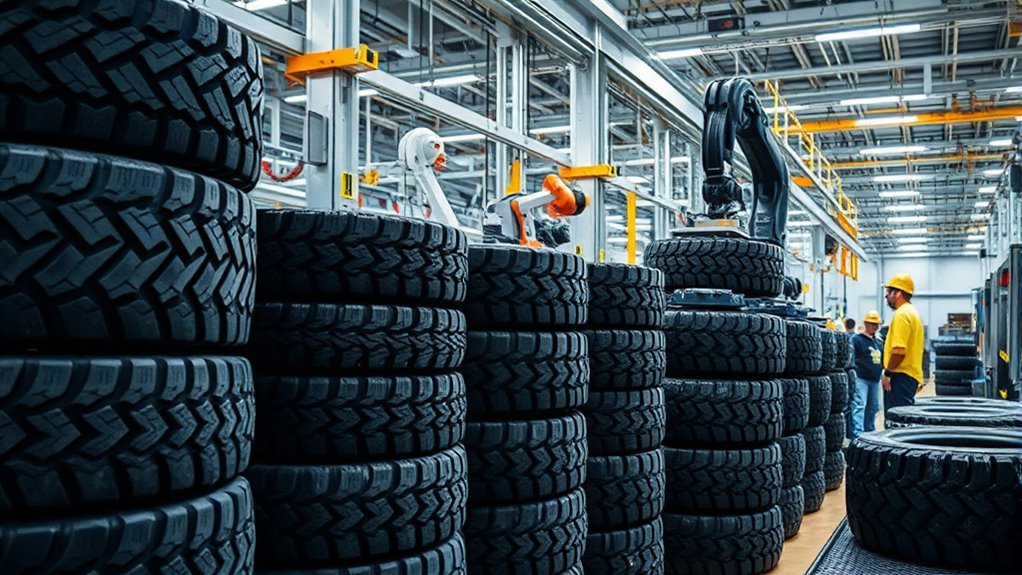
If you’ve ever wondered who makes Ironman tires, the answer is simple: they’re made by Hercules Tire and Rubber Company, a U.S.-based tire manufacturer.
When you buy Ironman tires, you’re choosing a brand that Hercules develops, markets, and distributes for value-focused drivers. You’ll find Ironman products in categories like passenger, SUV, light truck, and commercial use, so you can match a tire to your vehicle and budget.
Hercules oversees the brand’s design standards and manufacturing relationships, which helps keep the lineup consistent.
If you’re comparing options, you can think of Ironman as Hercules’ economy-minded tire line: practical, accessible, and built to deliver dependable everyday performance without pushing you into premium pricing.
What Is Ironman’s Parent Company?
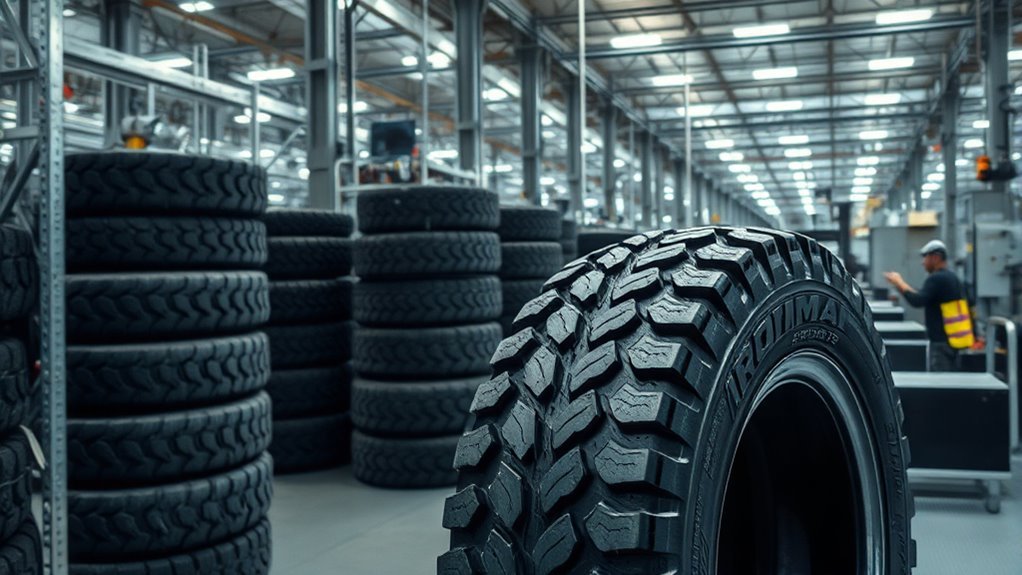
If you’re wondering who stands behind Ironman tires, Hercules Tire is the key name to know. You’ll find that Ironman falls under Hercules Tire ownership, which helps explain how the brand is managed and positioned.
That link gives you a clearer picture of where Ironman fits in the tire market. It’s pretty interesting once you see how it all connects!
Ironman’s Parent Company
Ironman’s parent company is Hercules Tire & Rubber Company, the U.S.-based manufacturer and distributor that owns the Ironman brand. When you shop Ironman tires, you’re really looking at a value-focused label backed by Hercules’ tire industry know-how.
| Fact | Detail | Why It Matters |
|---|---|---|
| Parent company | Hercules Tire & Rubber Company | You can trace the brand to one source |
| Brand role | Ironman | You get a budget-oriented tire line |
| Market focus | Passenger, SUV, and light truck | You can match options to your vehicle |
| Distribution | U.S.-based network | You get easier availability |
| Brand strategy | Value pricing | You can save without giving up basics |
That backing helps you understand why Ironman tires stay accessible, practical, and widely sold. It’s all about giving you solid options without the premium price tag.
Hercules Tire Ownership
Hercules Tire & Rubber Company is the parent company behind Ironman tires, so when you buy this brand, you’re getting a product from a long-established U.S. tire company. You can trace Ironman’s ownership to Hercules Tire, which manages the brand’s development, marketing, and distribution.
That means you’re not dealing with a standalone startup; you’re looking at a company with industry experience and a broad tire portfolio. Hercules has built its reputation by offering value-focused tires for drivers who want dependable performance without paying premium-brand prices.
When you choose Ironman, you benefit from that backing, including access to established supply chains and technical resources. In short, Hercules Tire owns Ironman, and that ownership shapes the brand’s pricing, positioning, and everyday market presence.
What Vehicles Are Ironman Tires Made For?
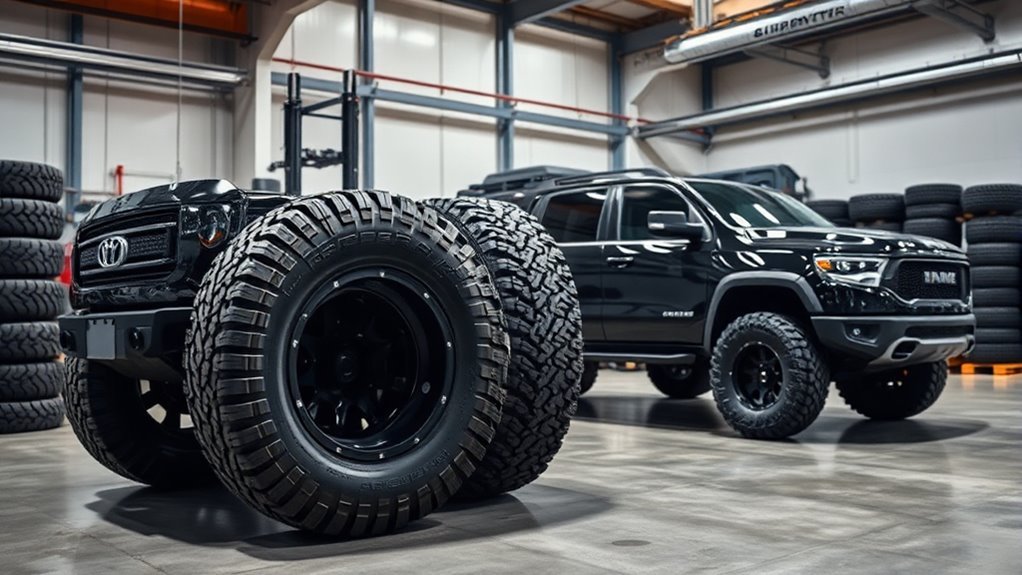
You’ll find Ironman tires made for a wide range of passenger vehicles, including sedans, coupes, and crossovers. They also offer fitments for trucks and SUVs, giving you options for daily driving, hauling, and light off-road use.
That mix lets you match the tire to the vehicle you actually drive. So, whether you’re commuting or heading off the beaten path, there’s likely an Ironman tire that fits your ride perfectly.
Passenger Vehicle Fitments
Ironman tires cover a wide range of passenger vehicles, giving you options for everyday commuting, family travel, and light-duty use.
You’ll find fitments for sedans, coupes, hatchbacks, and minivans, so you can match your vehicle’s size and driving needs without much hassle.
| Vehicle Type | Typical Use | Fitment Focus |
|---|---|---|
| Sedan | Daily driving | Comfort and efficiency |
| Coupe | City and highway | Responsive handling |
| Hatchback | Commuting and errands | Balanced performance |
| Minivan | Family transport | Smooth ride |
This lineup helps you choose tires that suit your routine, whether you want predictable grip, a quiet ride, or dependable all-season traction.
You don’t need a specialty vehicle to benefit from Ironman’s range; you just need the right size and load rating for your car.
Truck And SUV Applications
Beyond passenger cars, Ironman tires also fit a range of trucks and SUVs built for hauling, towing, and everyday utility. You can choose all-terrain, highway, and mud-terrain options depending on how you drive your truck or SUV.
If you tow trailers, carry gear, or take rough roads to work sites, these tires give you practical grip and load support. You’ll also find sizes for crossovers and body-on-frame SUVs, so you don’t have to settle for a one-size-fits-all setup.
Ironman designs these fitments to balance durability, road comfort, and dependable traction in changing weather. That means you can equip your vehicle for commuting during the week and light off-road use on the weekend without switching brands.
How Do Ironman Tires Compare on Price and Performance?
When you compare Ironman tires with bigger-name brands, they usually stand out for their lower price tag and solid everyday value. You’ll often spend less upfront, which makes them appealing if you want dependable transportation without paying premium-brand prices.
In real-world driving, you can expect decent comfort, acceptable tread life, and predictable handling for commuting, errands, and light hauling. They may not match top-tier brands in wet braking, road noise, or long-term refinement, but they often deliver enough performance for the money.
If you drive moderately and prioritize budget control, Ironman tires can make sense. But if you push hard in rain, snow, or high-speed conditions, you may notice their limits sooner than with premium options.
Ironman Tire Lines and Tread Types
To choose the right Ironman tire, start by looking at the line and tread pattern that best fits how you drive. Ironman offers several lines for passenger cars, SUVs, light trucks, and commercial use, so you can match the tire to your vehicle and road conditions.
You’ll find touring tires for a quieter, smoother ride, all-season patterns for everyday traction, and highway-oriented designs for steady pavement driving. If you need more grip in rain or light snow, choose a tread with wider grooves and more biting edges.
For trucks, deeper lugs can help on rough roads, while symmetric patterns usually wear evenly. By comparing each line’s tread design, you can narrow your options quickly and pick the setup that suits your driving needs.
Are Ironman Tires a Good Buy?
Whether an Ironman tire is a good buy depends on what you expect from it and how much you want to spend. If you need basic everyday performance at a low price, you’ll likely see solid value.
Ironman tires often give you decent tread life, acceptable grip, and a wide range of fitments without stretching your budget. But if you want sharp handling, quiet highway manners, or top-tier wet traction, you may want to spend more.
Ironman tires often offer decent tread life and value, but premium handling and wet grip usually cost more.
You should compare the specific model, not just the brand, because quality can vary by line. For budget-minded drivers, Ironman can be a smart purchase.
However, for demanding driving or premium comfort, you’ll probably find better options elsewhere.
Frequently Asked Questions
Where Are Ironman Tires Manufactured?
You’ll find Ironman tires manufactured mainly in China, though some production may occur in other Asian plants.
You can check the sidewall or packaging for country-of-origin details to confirm the exact factory location.
Does Ironman Offer a Tire Warranty?
Yes, you can get an Ironman tire warranty, but coverage varies by tire and retailer. You should check the specific product’s warranty terms, since defects, mileage, and road hazards often differ.
It’s a good idea to look closely at what’s included before you buy. That way, you know exactly what kind of protection you’re getting with your tires.
Are Ironman Tires Available in Winter Sizes?
Yes, you can find Ironman tires in winter sizes, including dedicated snow options and some all-weather choices. You’ll need to check your vehicle fitment, because availability varies by model, size, and retailer.
It’s a good idea to shop around a bit. Different stores might have different selections, so you might find exactly what you need if you look a little.
How Long Do Ironman Tires Usually Last?
You’ll usually get about 40,000 to 60,000 miles from Ironman tires, though your driving habits matter.
You can extend life with proper inflation, rotation, and alignment. They’ll wear faster on aggressive roads.
Can Ironman Tires Be Used Off-Road?
Yes, you can use Ironman tires off-road, but you’ll want to match the model to the terrain. Their all-terrain options handle light trails well.
Though, if you’re dealing with aggressive mud or rocky areas, you might want to consider more specialized tires. It really depends on where you’re heading and what kind of off-road action you expect.
Conclusion
So, who makes Ironman tires? You do—when you choose smart value over empty hype. Ironman, backed by its parent company, gives you tires for cars, trucks, and SUVs without draining your wallet.
You get a wide range of tread options, decent performance, and a price that feels like a win.
If you want dependable rubber without paying premium prices, Ironman can be a solid pick for your next drive. Choosing Ironman tires means getting reliable, affordable tires that don’t compromise on quality. Whether it’s for daily commuting or weekend adventures, Ironman tires offer great value for drivers looking for budget-friendly yet durable options. So, when it comes to tires that balance cost and performance, Ironman is a smart choice for your car’s needs.