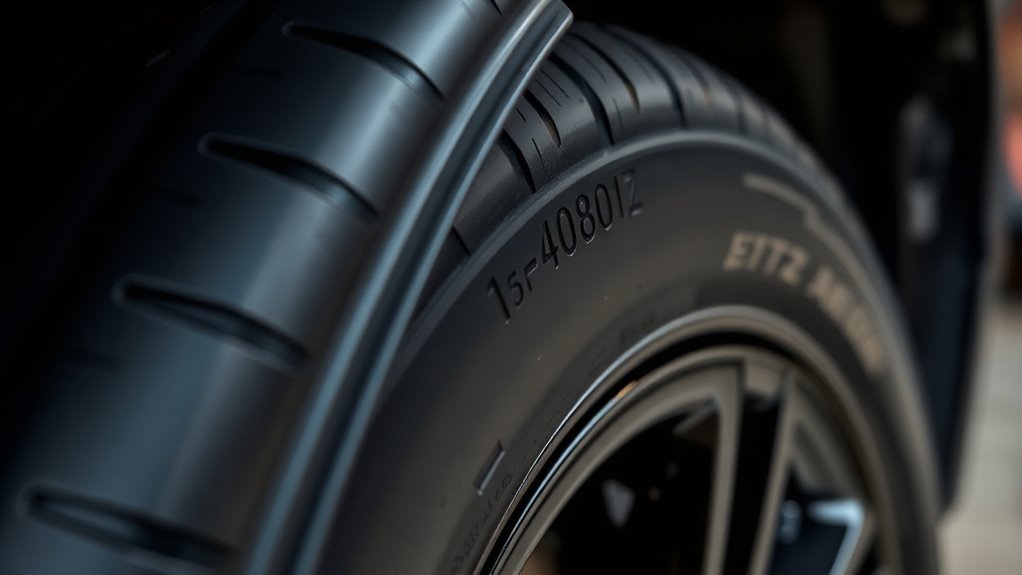
What Do Tire Numbers Mean?
Tire numbers tell you a lot about size, fit, and safety. You’ll usually see a code like 225/45R17, which shows the tire width, sidewall height, tire type, and rim diameter. These numbers are key to understanding how your tire will perform on the road.
Other markings on the tire show the load index, speed rating, and whether the tire meets snow or safety standards. Matching these specs helps your car handle properly, wear evenly, and stay safe.
If you keep going, you’ll see how to decode each marking and choose the right tire. It’s easier than it sounds, and knowing this info can make a big difference in your driving experience.
Key Takeaways
- Tire numbers show size, type, load capacity, and speed rating. The first number is tire width, the second is aspect ratio, and the last number is rim diameter.
- Load index tells how much weight the tire can safely carry. Speed rating shows the maximum safe speed for the tire under proper conditions.
- Make sure to match all tire numbers to your vehicle’s manual. This helps avoid fitment, handling, and safety problems.
What Tire Numbers Mean
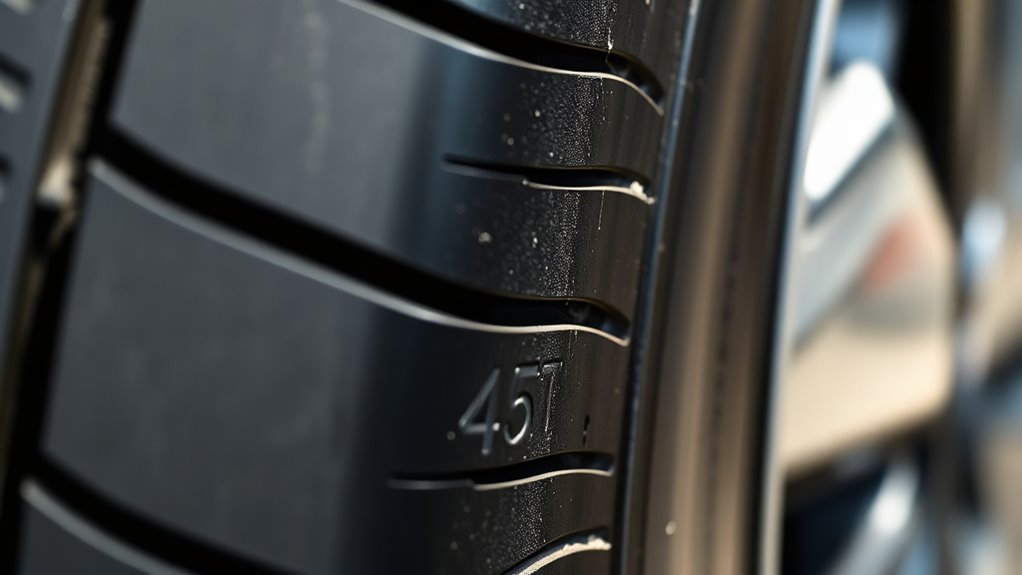
Those numbers and letters on your tire’s sidewall tell you its size, type, load capacity, and speed rating. You can use them to match replacement tires and keep your vehicle safe and legal.
Those sidewall numbers and letters show your tire’s size, type, load capacity, and speed rating.
The markings also show how much weight each tire can carry and how fast it can run when properly inflated and maintained. You’ll usually find a mix of letters and numbers grouped in a standard format.
Each part gives you a specific detail about the tire’s design and performance. When you understand these markings, you can choose tires that fit your vehicle’s requirements instead of guessing.
That helps you avoid fitment problems, poor handling, and unnecessary wear. Always check your owner’s manual and current tires before you buy anything.
How to Read Tire Size Numbers
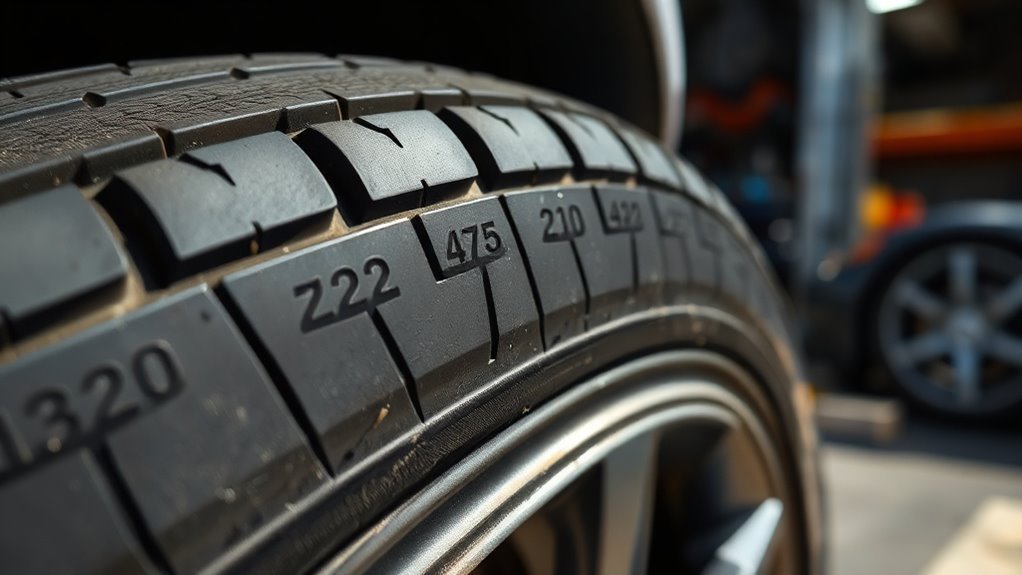
A tire size code looks complicated at first, but you can read it piece by piece to understand what fits your vehicle. Start with the first number, which shows the tire width in millimeters.
Next, the slash leads to the aspect ratio, telling you the sidewall height as a percentage of width. Then you’ll see a letter for tire type, followed by rim diameter in inches.
Use this quick guide:
| Code part | What you read |
|---|---|
| First number | Tire width |
| Slash | Separates measurements |
| Second number | Sidewall ratio |
| Letter | Tire type |
| Last number | Wheel size |
When you match these numbers to your vehicle, you can shop with confidence and avoid size mistakes that affect fit. It really helps to double-check before buying!
What Load Index and Speed Rating Mean
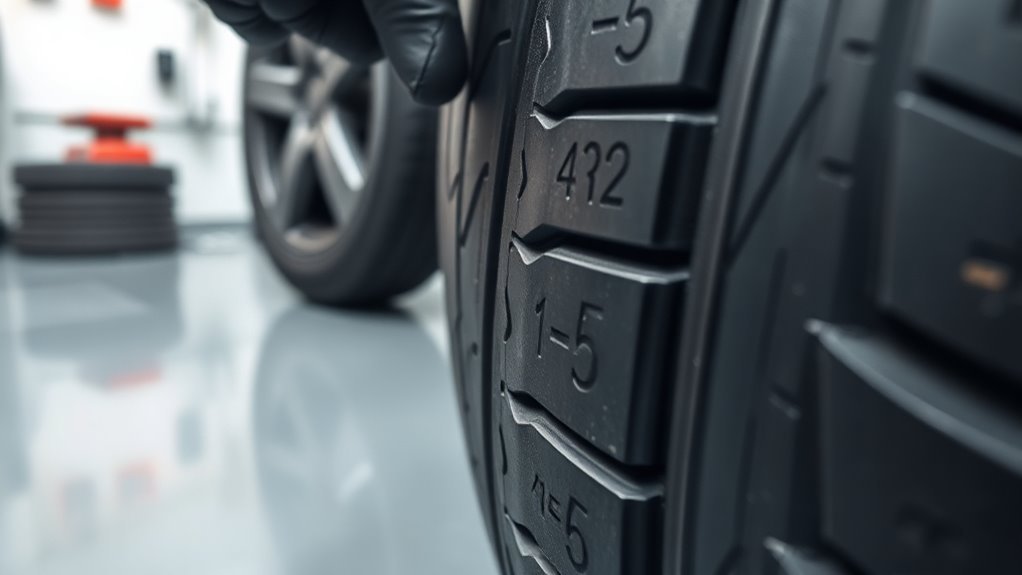
Your tire’s load index tells you how much weight it can safely carry. Its speed rating shows the highest speed it can handle under proper conditions.
When you understand both, you can choose tires that match your vehicle’s needs. It’s pretty simple once you get the hang of it!
Load Index Explained
Load index and speed rating are the two tire numbers that tell you how much weight a tire can carry and how fast it can safely go. The load index is the number that matters when you’re checking weight capacity. You’ll find it on the tire sidewall as part of the full size code, and it corresponds to a specific maximum load at proper inflation.
Higher numbers mean a tire can support more weight, but only if you use it as intended. When you choose replacements, you should match or exceed the vehicle maker’s required load index. If you go too low, you risk overloading the tire, which can hurt handling, wear, and safety.
Always compare the rating to your vehicle’s needs before buying. It’s a simple step that can save you from headaches down the road. So, take a moment to check those numbers carefully.
Speed Rating Defined
Just as load index tells you how much weight a tire can handle, the speed rating shows how fast it can safely travel under proper conditions. You’ll usually see a letter, such as H, V, or W, stamped on the tire sidewall.
That letter isn’t about the car’s legal top speed; it’s a lab-tested limit tied to heat buildup and tire construction. If you choose a tire with too low a rating for your vehicle, you can reduce handling, increase wear, and risk failure at higher speeds.
Always match the rating to your owner’s manual or the original equipment spec. When you understand this code, you can choose tires that fit your driving habits, road conditions, and safety needs.
What Other Tire Markings Tell You
Beyond the size code, tire sidewalls carry other markings that tell you how the tire was built and how it should be used. You’ll often see the load index, which shows the maximum weight each tire can support.
You may also spot “M+S,” meaning mud and snow, or the three-peak mountain snowflake symbol, which identifies severe snow service. A DOT code tells you the tire meets U.S. standards and reveals its manufacturing plant and date code.
Some tires also list ply rating, construction type, and treadwear, traction, and temperature grades. These markings help you understand the tire’s capabilities, limits, and compliance.
When you read them together, you get a fuller picture of what the tire can handle on the road. It’s like getting the whole story, not just a snippet.
How to Choose the Right Tires
To choose the right tires, you’ll want to check your vehicle’s requirements first so the size and load rating match. Then consider your driving conditions, since highway commuting, wet roads, and winter weather each call for different tire features.
Finally, compare tire specifications like tread, speed rating, and durability to find the best fit. It might seem like a lot, but taking these steps makes sure you get tires that work well for you.
Check Vehicle Requirements
Before you buy new tires, check your vehicle’s requirements so you get the right fit and performance. Start with the owner’s manual or the driver-side door placard, where you’ll find the recommended tire size, load index, and speed rating.
These numbers tell you how much weight each tire can carry and how fast it can safely run. You should also verify whether your vehicle needs a standard, XL, or run-flat tire.
If you ignore these specs, you can affect handling, braking, fuel economy, and safety. When you shop, match the exact size and ratings your vehicle calls for unless a professional confirms an approved alternative.
Taking a few minutes to confirm these details helps you choose tires that fit properly and work as intended. It’s worth the effort to avoid problems down the road.
Match Driving Conditions
Your driving conditions should guide your tire choice just as much as your vehicle’s specs. If you drive mostly in dry, warm weather, you can focus on tires that deliver solid grip, responsive handling, and long tread life.
For frequent rain, choose tires with strong wet traction and channels that help push water away. If you face snow or icy roads, winter tires can improve control and stopping power in cold temperatures.
For rough roads or light off-road use, look for tougher sidewalls and tread designed to handle debris. Even your daily mileage matters; longer commutes may call for more durable compounds.
When you match tires to real-world conditions, you’ll get safer performance, better comfort, and fewer surprises on the road. It really makes a difference!
Compare Tire Specifications
Now that you’ve matched tires to your driving conditions, compare the specs on the sidewall and product label to narrow down the best fit.
Check size first, because your vehicle needs the exact width, aspect ratio, and rim diameter. Then compare load index and speed rating to make sure the tire can carry your car safely and handle your usual speeds.
Finally, review treadwear, traction, and temperature ratings to judge durability and grip.
| Spec | What it tells you | Why it matters |
|---|---|---|
| Size | Fit and dimensions | Prevents rubbing |
| Load/speed | Strength and capability | Protects safety |
| Ratings | Wear and grip | Guides value |
When two tires meet your needs, choose the one that balances performance, comfort, and price best. It’s all about finding the right mix for you.
What to Do When Tire Numbers Don’t Match
If the tire numbers don’t match, don’t ignore it—compare each tire’s size, load index, and speed rating to make sure they’re compatible with your vehicle and each other.
If tire numbers don’t match, compare size, load index, and speed rating before driving.
Then take action quickly:
- Check your owner’s manual for approved tire specs.
- Inspect all four tires for mismatched sizing or ratings.
- Replace any tire that doesn’t meet the required standard.
- Ask a tire professional if you’re unsure about fitment.
Mixed tire numbers can change handling, traction, and braking, so you shouldn’t guess. If you’re driving with different tires, keep the setup temporary and avoid hard cornering or high speeds.
Matching tires help your car stay balanced and safe, and they protect your investment too. So, it’s definitely worth making sure they all match up.
Frequently Asked Questions
Can I Drive on Tires With Different Tread Patterns?
You can, but you shouldn’t. Different tread patterns can affect traction, handling, and braking, especially in rain or snow.
It’s best to match tires on each axle if you can. And if you have mismatched ones, replace them soon for safer driving.
How Often Should I Check Tire Pressure?
You should check your tire pressure at least once a month and before long trips.
Doing this helps you catch slow leaks early, which is super important. It also improves safety while you’re driving.
Plus, keeping the right pressure helps your tires wear evenly. That means they’ll last longer, saving you money in the long run.
Do Tire Numbers Affect Fuel Economy?
Yes, they can. You’ll improve fuel economy when you choose tires with lower rolling resistance, proper size, and correct pressure.
Bigger, wider, or underinflated tires usually drag more and make your engine work harder. So, it’s worth paying attention to those tire numbers!
Are All-Season Tires Suitable for Winter?
Not really—some all-season tires handle light snow, but you’ll want to treat them like a brave umbrella in a hurricane when winter gets serious.
For icy roads, dedicated winter tires usually grip far better.
When Should I Replace My Tires?
You should replace your tires when tread reaches 2/32 inch, cracks appear, they’re older than six years, or you notice vibration, bulges, or uneven wear.
Don’t wait; worn tires hurt traction and safety. It’s better to be safe than sorry!
Conclusion
So when you look at those tire numbers, you’re not staring at random code—you’re reading your car’s needs. One driver I knew swapped tires without checking the load index and felt the difference on the highway immediately.
That’s the point: the right numbers keep you safe, smooth, and ready for the road. Check the sidewall, match the specs, and don’t guess.
Your tires aren’t just rubber—they’re your connection to every mile. Understanding tire numbers like size, load index, and speed rating helps you choose the right tires. This ensures better performance, safety, and longevity on the road. Always pay attention to those tire numbers—they matter more than you think!