When to Change Tires: Simple Guide
You should change your tires when the tread gets too shallow, the sidewalls have cracks or bulges, or the tires are aging out, usually around six to ten years.
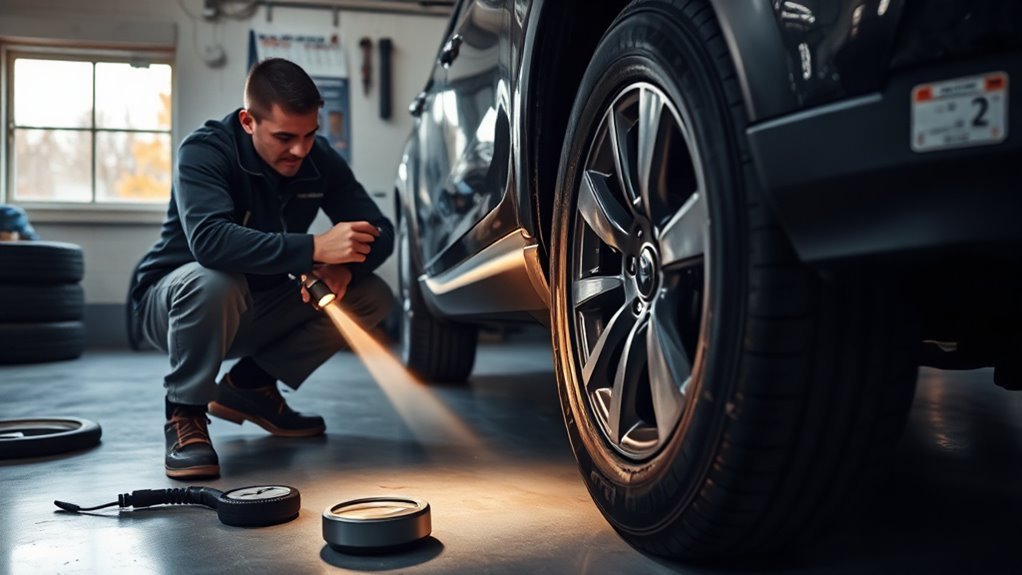
Keeping an eye on your tires is crucial for safe driving, especially in wet or snowy conditions. Checking tread depth regularly with a gauge or the penny test can help you know when it’s time for new tires.
Replace your tires before winter if you need better wet or snow grip. Uneven wear, frequent air loss, or vibrations while driving are also signs that your tires might be in trouble. Don’t ignore these warning signs—they can affect your car’s performance and safety.
Keep going to see how to spot each warning sign in more detail. It’s easier than you think to keep your tires in good shape!
Key Takeaways
- Replace tires when tread is shallow or near the legal minimum, especially if wet traction is poor. It’s really important to keep good grip on slippery roads.
- Change tires if sidewalls have cracks, cuts, bulges, or exposed cords. These signs can mean there’s a risk of a blowout, which is dangerous.
- Replace tires with uneven wear, bald spots, or feathered edges. Also, make sure to fix any alignment or inflation issues to prevent this.
- Change tires that are six to ten years old or show dry rot, stiffness, or frequent air loss. Age and damage can really affect tire safety.
- Install new tires before winter or heavy rain seasons. And don’t forget to get them properly mounted, balanced, and inflated for the best performance.
How Tread Depth Affects Tire Safety
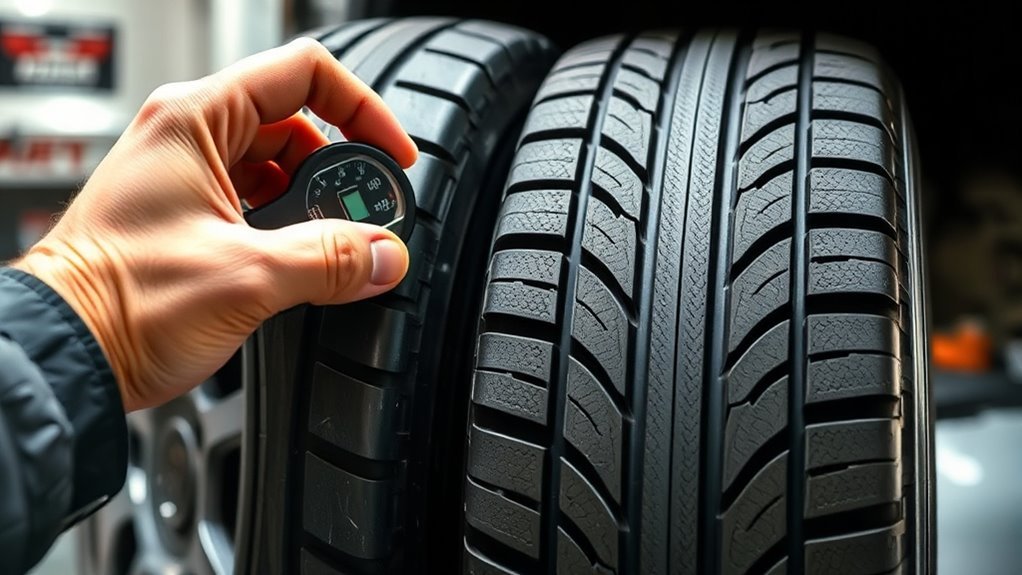
Tire tread depth plays a big role in your safety because it helps your tires grip the road, channel water away, and reduce the risk of hydroplaning. When the grooves get shallow, your stopping distance increases, especially on wet pavement, and you lose confidence in turns and hard braking.
You should check tread regularly with a tread-depth gauge or the penny test, and you’ll want to replace tires before they reach the legal minimum. If you drive in rain, snow, or on rough roads, deeper tread matters even more.
Worn tread can’t bite into the surface as well, so your car may slide sooner than you expect. Staying ahead of wear helps you keep better control, improve traction, and drive with more peace of mind every day.
Check for Cracks, Bulges, and Uneven Wear
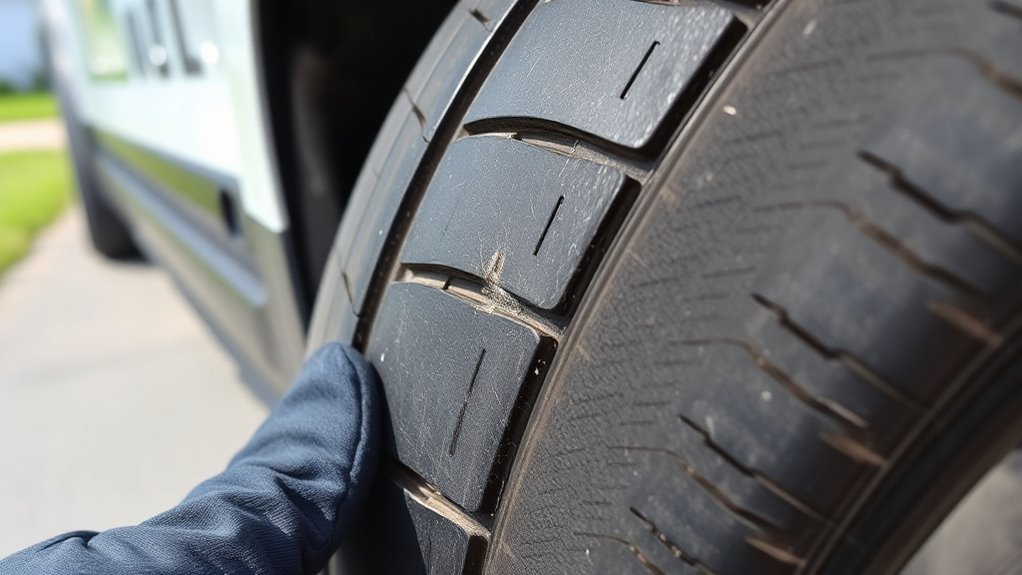
Check your tires for sidewall cracks, bulges, and any cuts that look deep or unusual. You should also look for uneven tread wear, since it can point to alignment or inflation problems.
If you spot these signs, it’s time to have your tires inspected and replace them if needed. Don’t wait too long—taking care of these issues early can save you from bigger problems down the road.
Spotting Sidewall Cracks
Even if your tread looks fine, sidewall damage can mean it’s time for new tires. Inspect the outer sidewalls for small cracks, splits, or cuts, especially near the rim and in the grooves where rubber flexes most.
If you see dry, weathered lines, don’t ignore them; they can signal aging rubber that’s losing strength. Look for bulges, blisters, or raised spots too. Those usually mean internal damage, and a blowout could happen without warning.
Run your hand along the tire’s side to feel for soft spots or irregularities. Check both sides of each tire, since damage may hide on the inside.
If a crack is deep enough to expose cords or you spot any swelling, replace the tire right away. Better safe than sorry!
Identifying Uneven Tread Wear
Uneven tread wear can be just as telling as sidewall damage, so inspect the tread for patches that wear faster than the rest. Run your hand across each tire and look for bald spots on one edge or feathered or cupped tread blocks.
Also, keep an eye out for cracks between grooves or bulges and raised areas. These signs often point to misalignment, improper inflation, or worn suspension parts.
If you catch them early, you can fix the cause before the tire fails. Make sure to check all four tires, since one bad setting can affect them differently.
It’s also smart to compare tread depth across the tire; if one side looks much thinner, the tire may need replacement soon. Don’t ignore vibration or pulling either.
Uneven wear doesn’t just shorten tire life; it can reduce grip and make driving less safe. So, staying on top of this can really help keep you safer on the road.
Know When Tire Age Becomes a Risk
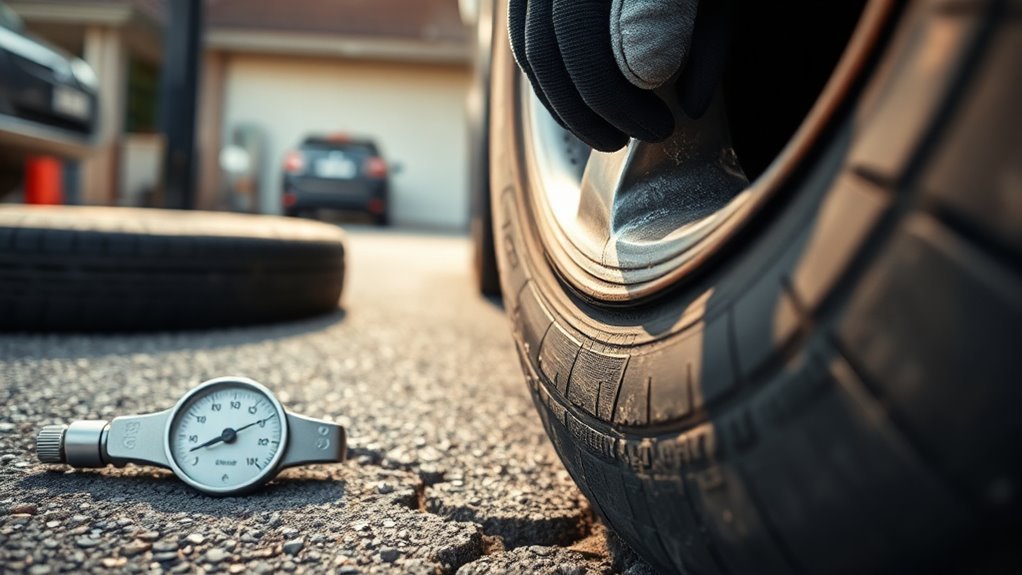
Even if your tires still look okay, age can make them unsafe. So, check the manufacture date and replace them before they get too old.
Keep an eye out for signs of aging like hard rubber, tiny cracks, and fading flexibility. Proper storage can help slow dry rot.
But remember, heat, sunlight, and time still wear your tires down. It’s better to be safe than sorry!
Tire Age Limits
Tires don’t last forever, even if the tread still looks good. You should watch their age, because rubber weakens over time, even when you drive little.
Many tire makers recommend replacing tires around six to ten years from the manufacture date, and some experts urge caution after six years. Check the sidewall code to find that date, then compare it to the current year.
- Use the date code, not guesswork.
- Replace older tires sooner if you drive in heat.
- Store tires away from sun and ozone.
- Ask a pro if you’re unsure.
Age alone doesn’t prove danger, but it raises the odds of failure. So, if your tires are getting old, plan ahead and budget for replacement before trouble starts.
Signs Of Aging
As tires age, you’ll often see the warning signs before they fail: sidewall cracks, dry or brittle rubber, fading tread flexibility, or a rougher ride and more frequent air loss. You should inspect your tires regularly and treat any new cracking, bulging, or unusual vibration as a warning, even if the tread still looks decent.
Aging rubber loses strength, so the tire won’t grip or flex the way it should in heat, rain, or emergency stops. If you notice uneven wear plus visible aging, plan a replacement soon rather than waiting for a blowout.
Check the DOT date code, compare the age to the maker’s guidance, and replace tires that look tired, hardened, or unreliable. Safety matters more than squeezing out a few extra miles.
Storage And Dry Rot
Storage can quietly age tires long before the tread wears out. If you park a car for months, heat, ozone, and sunlight can dry the rubber and cause cracking.
That dry rot weakens the sidewalls and makes blowouts more likely, even if the tread still looks deep.
Watch for these signs:
- Fine cracks on the sidewall
- Hard, brittle rubber
- Flat spots after sitting
- A tire older than six years
You should inspect stored tires before you drive. Inflate them to the recommended pressure, and keep them in a cool, dark, dry place.
If you notice deep cracking or the tires feel stiff, replace them. Age can turn safe-looking tires into a risk, so don’t wait for visible wear alone.
Replace Tires Before Winter Roads Get Dangerous
Don’t wait for the first freeze to catch you off guard—replace your tires before winter roads turn slick and dangerous. When temperatures drop, your tires lose grip, and stopping distances can grow fast.
You’ll feel the difference most on cold mornings, wet pavement, and slushy streets, where worn tread struggles to bite. Check your tires before winter settles in, especially if you notice cracking, uneven wear, or shallow tread.
Replacing them early helps you stay in control and reduces the risk of skids, slips, and emergency stops. It also gives you time to schedule service before shops get busy after the season’s first storm.
Choose Tires for Your Driving Conditions
Your tires should match the roads you drive most often, so choose a set that fits your climate and daily conditions. If you face rain, pick tires with strong wet traction and wide grooves.
For hot pavement, look for durable tread compounds that resist wear. If you drive in snow or slush, winter tires can give you better grip and shorter stops. For mixed conditions, all-season tires often work well.
- Check your region’s average temperatures.
- Match tread design to rain, snow, or dry roads.
- Consider how far you drive each day.
- Review your vehicle maker’s tire recommendations.
You’ll drive more safely when your tires suit your environment. Don’t buy based on looks alone; performance matters far more than style.
Have New Tires Installed and Balanced
Once you’ve picked the right tires, have a professional install and balance them so they seat properly and wear evenly. You’ll protect your investment and get better handling from the start.
A technician uses the proper tools to mount each tire, set the correct direction, and tighten the lugs to spec. Then they balance the assembly so you don’t feel vibration through the steering wheel or seats.
Ask them to check valve stems, inspect the wheels, and reset tire pressure sensors if your vehicle has them. After installation, drive gently for the first few miles and recheck pressure.
If you notice pulling, noise, or vibration, return right away so the shop can correct it before uneven wear starts.
Frequently Asked Questions
How Often Should I Rotate My Tires?
You should rotate your tires about every 5,000 to 7,500 miles, or whenever your owner’s manual says.
Doing this helps extend tread life and improve handling. You’ll also catch uneven wear early, which is a big plus.
Can I Change Just One Tire at a Time?
You can, but you really shouldn’t unless the new tire matches the tread depth and size closely. Otherwise, you might end up with uneven handling or even damage to your drivetrain.
If you’re unsure, it’s better to replace tires in pairs. Or just check with a tire shop—they’ll help you figure out what’s best.
Should I Replace Tires if I Rarely Drive?
Yes—replace them if they’re aging. Tires can lose grip after six years, even with low mileage.
You should inspect sidewalls, tread, and dry rot regularly, because sitting still doesn’t stop rubber from deteriorating.
What Tire Pressure Is Best for My Car?
You’ll find the best tire pressure on your driver’s door placard or owner’s manual. It usually isn’t the number on the tire sidewall.
Make sure to check it monthly and adjust the pressure when the tires are cold. That way, you get the most accurate reading.
Do Tire Warranties Cover Road Damage?
Usually not. You’ll find most tire warranties cover manufacturing defects and wear, not potholes, nails, or curb hits.
Check your policy, though, because some brands offer road hazard protection for extra coverage. It’s worth asking about if you want that added peace of mind.
Conclusion
Your tires are the only thing standing between you and the road, so don’t wait until they’re hanging by a thread. When tread gets thin, cracks spread, or age starts to creep in, your safety can slip through your fingers.
Swap worn tires before winter hits and choose rubber that fits your driving needs. Fresh, balanced tires are like a firm handshake with the road—steady, confident, and ready for whatever lies ahead.
Remember, changing tires at the right time is crucial for your safety and vehicle performance. Regularly check your tire tread depth, look out for visible cracks, and consider the tire’s age. Picking the right tires not only improves grip but also boosts fuel efficiency and ride comfort. So, don’t ignore the signs—timely tire replacement keeps you safe, ensures better handling, and prepares you for any road conditions, rain or shine. Stay proactive and keep your tires in top shape for a smooth, secure journey every time.