How AI Dash Cams Reduce Construction Accidents in Areas
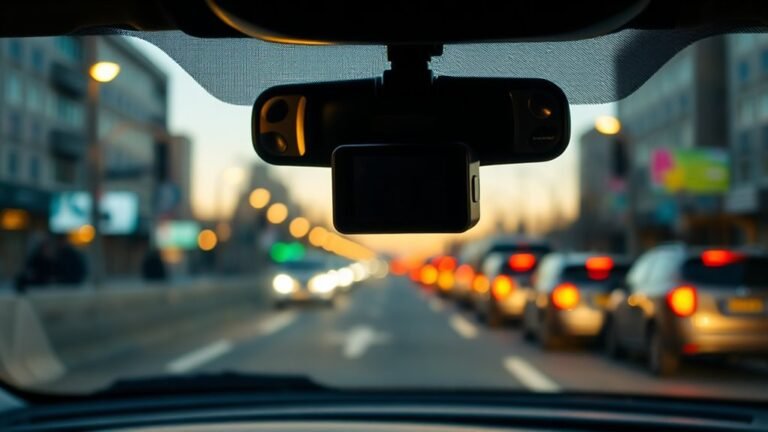
You can cut construction accidents by using AI dash cams that spot hazards instantly and send real-time alerts. These smart cameras continuously monitor unsafe behaviors and risky zones, helping you respond before incidents happen. They’re a game-changer for construction site safety.
Plus, AI dash cams analyze data to improve worker habits and update safety protocols tailored to your site’s needs. They also boost efficiency by automating safety checks and tracking equipment use.
Keep exploring to see how to choose, install, and maximize these smart safety tools. It’s easier than you think to upgrade your site’s safety with AI technology!
Key Takeaways
– AI dash cams provide continuous real-time monitoring to detect unsafe behaviors and hazards before accidents occur.
They keep an eye out so problems can be spotted early, helping to prevent accidents altogether.
– Instant alerts notify workers and supervisors of risks like heavy machinery proximity and restricted zone entry.
This way, everyone stays in the loop and can react quickly to avoid danger.
– Automated safety checks and incident reporting reduce human error and enable faster hazard response.
It’s like having a smart assistant that never misses a thing.
– Data analysis identifies risky behaviors and informs targeted safety training and protocol improvements.
This helps teams focus on the areas that need the most attention.
– Durable, weather-resistant AI dash cams with cloud storage ensure reliable, accessible evidence for investigations and accountability.
So, even in tough conditions, the system keeps working and keeps everyone accountable.
Why Construction Site Safety Needs AI Dash Cams

Although construction sites are inherently risky, you can markedly improve safety by using AI dash cams. These devices provide continuous monitoring, helping you spot unsafe behaviors before they cause accidents.
Construction sites are risky, but AI dash cams offer continuous monitoring to catch unsafe behaviors early.
Unlike traditional cameras, AI dash cams analyze real-time data, so you don’t have to sift through hours of footage. They also help guarantee compliance with safety protocols by recording and reviewing activities automatically.
By capturing accurate visual evidence, AI dash cams support investigations and help you identify patterns that lead to incidents. When you rely on AI dash cams, you enhance accountability among workers and reduce human error.
Ultimately, these smart tools empower you to create a safer environment, protect your team, and minimize costly disruptions on your construction site. It’s a smart move for any project manager who values safety and efficiency.
Detecting Hazards and Sending Real-Time Alerts With AI Dash Cams

When AI dash cams spot potential hazards on your construction site, they immediately send real-time alerts to keep everyone informed and safe. This instant communication helps you react quickly, preventing accidents before they happen.
The technology continuously monitors your environment, identifying risks that might go unnoticed by human eyes. It’s like having an extra set of vigilant eyes on the ground at all times.
With AI dash cams, you can catch workers entering restricted or dangerous zones, heavy machinery operating too close to personnel, falling objects, or unstable scaffolding. Plus, they spot vehicles moving at unsafe speeds or erratic patterns and even unsafe weather conditions impacting site safety.
These alerts reach your team instantly, so you can address dangers promptly and reduce on-site injuries effectively. It’s all about keeping your site safer, smarter, and more responsive to risks as they happen.
Using AI Data to Improve Worker Behavior and Safety Protocols

By analyzing the data collected from AI dash cams, you can identify patterns in worker behavior that contribute to accidents or near-misses. This insight helps you pinpoint risky habits like distracted walking, improper equipment use, or unsafe driving on-site.
With this information, you can tailor safety training to address these specific issues, making it more relevant and effective. You can also update or reinforce safety protocols based on real-world data rather than assumptions, ensuring they reflect actual site conditions.
Plus, sharing feedback from AI data with workers encourages accountability and promotes a culture of safety. Over time, these targeted improvements help reduce incidents by changing behaviors before accidents happen.
Ultimately, this creates a safer construction environment for everyone involved.
How AI Dash Cams Boost Construction Site Efficiency and Reduce Risks
AI dash cams streamline your construction site operations by continuously monitoring activities and providing real-time alerts that help you address hazards before they escalate. They keep you aware of potential risks, so you can act quickly to prevent accidents and minimize downtime.
By automating safety checks and documentation, these cams save you time and reduce human error. You gain clearer insights into site workflow, enabling better coordination and resource allocation.
Here’s how AI dash cams boost efficiency and reduce risks:
- Detect unsafe behaviors instantly
- Automate incident reporting
- Monitor equipment usage and maintenance needs
- Provide real-time location tracking
- Analyze traffic flow to prevent congestion
With these benefits, you can create a safer, smoother construction environment every day. It’s all about working smarter, not harder.
Choosing the Best AI Dash Cam for Your Construction Site
When choosing an AI dash cam for your construction site, focus on key features like real-time alerts, durability, and video quality. You’ll want to balance your budget with the functionality that best fits your site’s unique needs.
It’s all about finding the right mix. Making the right choice guarantees you get the most effective accident prevention without overspending.
Key Features To Consider
Although many dash cams offer basic recording functions, choosing the best one for your construction site means focusing on features that actually boost safety and efficiency. You want a device that not only captures footage but also actively helps prevent accidents and keeps your team more aware.
When selecting an AI dash cam, keep these key features in mind:
- Real-time hazard detection to alert drivers immediately
- Wide-angle lenses for broader site coverage
- Night vision capabilities to maintain safety in low light
Also, look for durability and weather resistance because construction environments can be tough. Cloud storage with easy access is a big plus for quick review and incident analysis.
These features make sure you’re equipped with a reliable, proactive tool that supports accident reduction on your construction site.
Budget Versus Functionality
Balancing budget and functionality can feel tricky, but it’s essential for picking the right dash cam for your construction site. You want a model that offers key safety features without overspending.
Prioritize cameras with AI-driven hazard detection and reliable video quality. Here’s a quick comparison to help you decide:
| Budget Range | Key Features |
|---|---|
| Low (< $150) | Basic recording, limited AI |
| Mid ($150-$300) | AI alerts, moderate video quality |
| High ($300-$500) | Advanced AI, HD video, cloud sync |
| Premium (>$500) | Full suite AI, 4K video, analytics |
Focus on your site’s specific needs. Sometimes, spending a bit more upfront saves money by preventing accidents and downtime.
In the end, it’s all about finding the best fit for your budget and safety goals.
Getting Started: Installing and Using AI Dash Cams Effectively
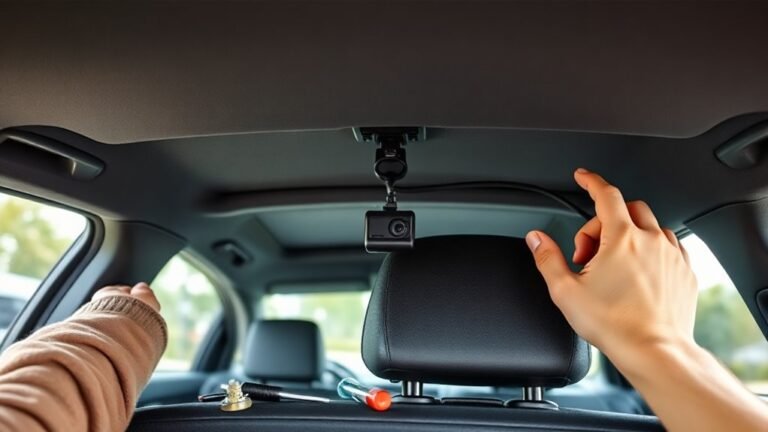
Start by choosing the right AI dash cam model that fits your construction vehicles and meets your safety needs. Next, find an ideal mounting location where the camera has a clear, unobstructed view of the worksite and road.
Make sure to secure the device firmly to avoid vibrations that might blur footage. Then, connect the dash cam to your vehicle’s power source and configure the settings to suit your environment, such as sensitivity to motion or collision detection.
Finally, train your team on how to use the system and review footage regularly to spot hazards early.
- Select cameras with wide-angle lenses and night vision
- Guarantee easy access for maintenance and data retrieval
- Use cloud storage for real-time incident alerts
- Set up automatic software updates
- Establish a routine for reviewing recorded footage
Frequently Asked Questions
How Do AI Dash Cams Handle Privacy Concerns on Construction Sites?
You can trust AI dash cams to handle privacy by anonymizing faces and sensitive data, restricting access, and complying with regulations. They only record what’s necessary, so your workers’ privacy stays protected while keeping the site safe.
It’s all about balance. The cams focus on capturing important details without overstepping privacy boundaries. That way, everyone feels secure, and the site stays under watch without being intrusive.
Can AI Dash Cams Integrate With Existing Construction Management Software?
Think of AI dash cams as puzzle pieces—they seamlessly fit with your existing construction management software. You’ll easily integrate data streams, boosting your project’s efficiency and safety without missing a beat or breaking a sweat.
It’s like adding a new tool that just works with what you already have. No hassle, no extra learning curve. Just smarter construction management.
What Is the Typical Lifespan of an AI Dash Cam in Harsh Environments?
You can expect AI dash cams in harsh environments to last around 3 to 5 years with proper maintenance. They’re built tough but need regular checks to handle dust, vibrations, and extreme temperatures effectively.
It’s all about staying on top of the upkeep. A little care goes a long way in making sure your dash cam keeps working well, no matter the conditions.
Are AI Dash Cams Effective in Extreme Weather Conditions?
You’ll see AI dash cams stay sharp through pouring rain or blinding snow, capturing every detail. They’re built tough, using weatherproof tech, so you can trust them to protect your site no matter the storm’s fury.
Seriously, these cams don’t miss a beat even when the weather turns nasty. It’s like having a reliable eye on the road, rain or shine.
How Do AI Dash Cams Affect Insurance Premiums for Construction Companies?
You’ll likely see lower insurance premiums because AI dash cams provide clear evidence, reduce accident risks, and improve safety records.
Insurers appreciate this data, making them more confident to offer you better rates and discounts.
It’s kind of a win-win—you get safer operations, and your insurance costs go down. Pretty cool, right?
Conclusion
By using AI dash cams on your construction site, you’re not just improving safety—you’re transforming how you manage risks. Imagine a site where a cam spots a worker stepping into a hazardous zone and instantly alerts both the worker and supervisor, preventing an accident before it happens.
This proactive approach not only saves lives but also boosts efficiency. It helps supervisors respond quickly and keeps everyone more aware of their surroundings. Plus, it reduces downtime caused by accidents, which means projects stay on track.
Start using AI dash cams today to create a safer, smarter construction environment. These advanced tools are game-changers for construction safety, helping reduce accidents in high-risk areas. By integrating AI dash cams, you’re investing in technology that protects workers and improves overall site management. It’s a simple step with big benefits for your team and project success.