What Is a Beam Style Wiper Blade?
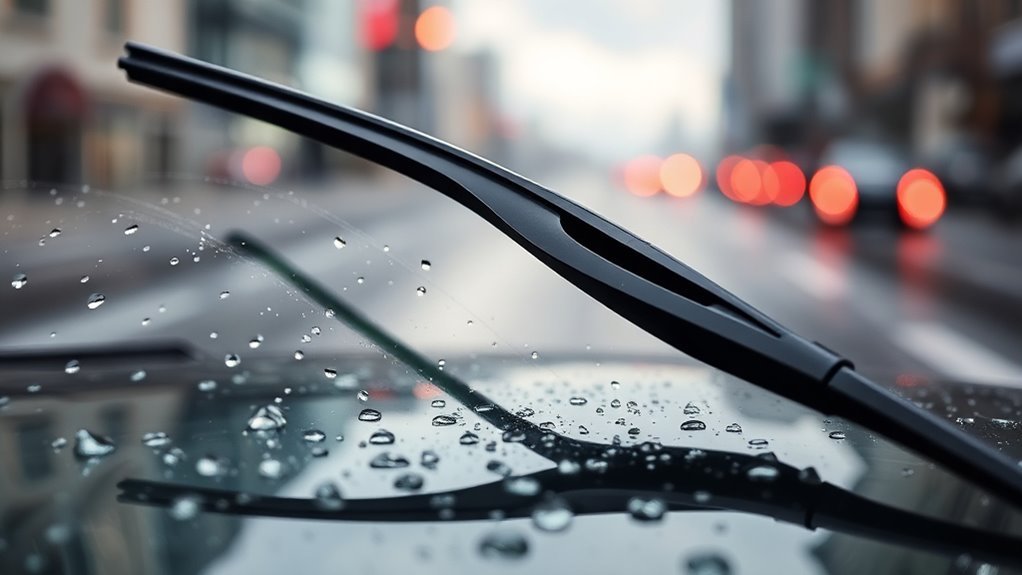
A beam style wiper blade is a one-piece wiper with a flexible spring steel beam and a low-profile, curved design that hugs your windshield. This design is what makes beam wiper blades stand out from traditional blades. It uses a rubber or silicone edge to spread pressure evenly, giving you a smoother, cleaner wipe with fewer streaks in rain, snow, and road grime.
Unlike traditional framed blades, beam style wiper blades have fewer parts, which means less rattling and less grime buildup. They’re built to perform better in tough weather conditions, making them a reliable choice when you need clear visibility.
More details follow.
Key Takeaways
- A beam style wiper blade is a one-piece, curved blade with a flexible spring steel spine and rubber or silicone wiping edge. Its sleek, low-profile beam design hugs the windshield and provides even pressure across the glass.
- Unlike traditional wipers, it has no exposed hinged frame, so fewer parts collect grime or rattle. This means it stays cleaner and quieter while you drive.
- The uniform pressure helps reduce streaks, skipping, and lifting, especially on curved windshields. So, you get a clearer view no matter the shape of your glass.
- It is designed for better performance in rain, snow, ice, and high-speed or stormy conditions. Basically, it keeps you safer and more comfortable in all kinds of weather.
What Is a Beam Style Wiper Blade?

A beam style wiper blade is a one-piece, curved wiper that uses flexible spring steel instead of an external frame. You get a low-profile design that hugs your windshield and maintains even pressure along the entire blade.
Its rubber edge sweeps away rain, snow, and grime with a smooth motion, helping you see clearly in changing weather. Because the blade flexes to match your windshield’s curve, you can rely on consistent contact from end to end.
Many beam blades also include a built-in spoiler that helps keep them planted at higher speeds. If you want a cleaner look and dependable wiping performance, this style gives you a practical, modern option for your vehicle.
Beam Style Wiper Blades vs. Traditional Wipers

When you compare beam style wiper blades with traditional wipers, you’ll notice major differences in blade design. Beam blades use a flexible one-piece frame, while traditional wipers rely on a hinged metal structure.
That design helps beam blades maintain steadier contact and more even pressure across your windshield. In rain, snow, or ice, that can make a real difference in how clearly you see.
Blade Design Differences
Beam-style wiper blades use a slim, one-piece frame that hugs the windshield more evenly, while traditional wipers rely on an exposed metal frame with multiple pressure points. You’ll notice the beam design looks cleaner and more aerodynamic, with no hinged arms or bulky joints breaking up the blade.
That smooth shape helps the blade stay low-profile on your windshield and reduces the parts that can flex, rattle, or collect grime. Traditional wipers, by contrast, use a segmented structure that can feel more rigid and visually busy.
If you want a modern blade that looks streamlined and integrates neatly with your vehicle, beam-style wipers give you that simpler, sleeker design without extra hardware getting in the way.
Contact And Pressure
Unlike traditional wipers that depend on several pressure points along a metal frame, beam-style blades press more evenly across the windshield. You get steadier contact because the flexible spine follows the glass’ curve instead of hinging at a few spots.
That means the rubber edge can stay planted with less bouncing or lifting as the blade moves. With this even pressure, you’ll notice fewer streaks in areas where a framed wiper might lose touch, especially near the edges.
You also won’t need to rely on extra hardware to distribute force. The blade itself does the work, so pressure stays consistent from end to end.
In short, you get a cleaner wipe because the blade matches your windshield more closely.
Performance In Weather
That even pressure helps beam-style wiper blades keep working better when the weather turns rough. You’ll notice they hug your windshield in rain, snow, and slush, so they clear water more evenly than traditional framed wipers.
Their one-piece design also sheds ice buildup more easily, which means you get fewer skips when temperatures drop. In windy conditions, beam blades stay planted, while older wipers can lift and chatter.
- Rain: smoother wipe, less streaking.
- Snow: better edge contact.
- Ice: reduced clogging and freezing.
- Wind: steadier performance at speed.
If you drive through changing weather, beam-style blades can help you keep visibility sharper and your windshield cleaner without constant replacement. It’s a simple upgrade that really makes a difference.
How Beam Style Wiper Blades Work
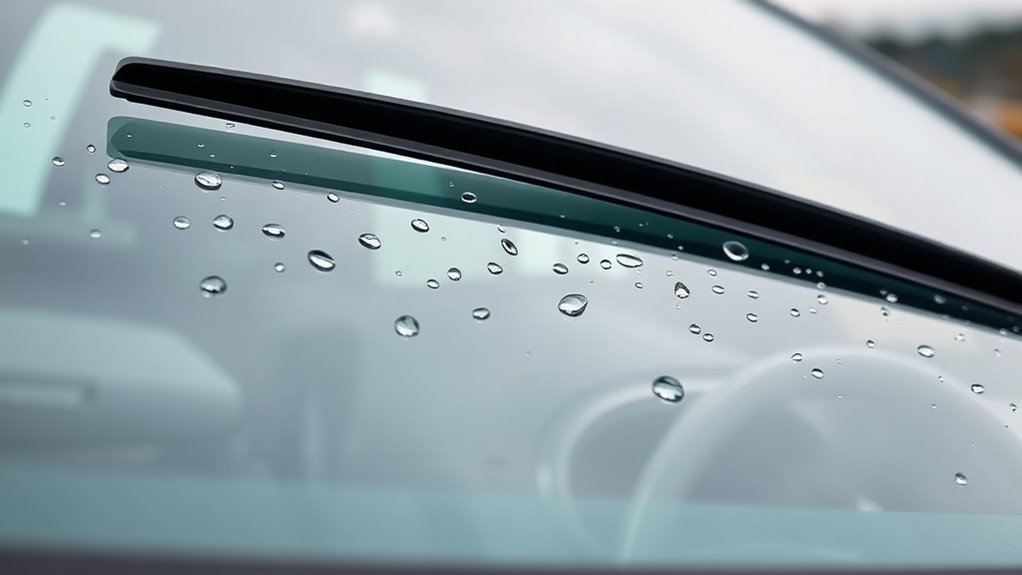
When you turn on your wipers, a beam style blade flexes along the curved windshield and spreads pressure evenly from end to end. You’ll notice it doesn’t rely on exposed hinges or a bulky frame.
Instead, a single flexible spine supports the rubber edge and keeps it pressed against the glass as the blade moves. The internal spring tension helps it follow the windshield’s shape while the wiper arm pushes it across the surface.
As the blade sweeps, the rubber lip channels water, snow, and dirt aside in one smooth pass. Because the design keeps constant contact, you get a more uniform wipe from the center to the edges, even when the windshield curves or changes angle during the stroke.
Benefits of Beam Style Wiper Blades
Beam style wiper blades give you superior windshield contact, so they clear water and debris more evenly. You’ll also get reliable all-weather performance, from heavy rain to snow and slush.
Plus, they can cut down on noise and drag for a smoother, quieter drive. It’s like giving your windshield a better, more consistent clean every time you hit the road.
Superior Windshield Contact
Glide across the windshield with a more even, consistent wipe: beam style wiper blades are designed to stay in close contact with curved glass from edge to edge.
You’ll notice how the flexible design helps the blade follow the windshield’s shape instead of lifting at the ends. That tighter fit improves your view and reduces missed spots.
- You get steadier pressure across the blade.
- You see fewer streaks during each sweep.
- You keep more glass covered on every pass.
- You improve contact even on modern, sculpted windshields.
Because the blade hugs the surface, you don’t have to deal with uneven wiping or patchy clearing as often. That means cleaner glass and a clearer line of sight when you drive.
All-Weather Performance
That close, even contact also helps beam style wiper blades handle changing weather better. You can count on them in rain, sleet, snow, and slush because they keep pressure steady across the glass.
Their flexible design helps the blade follow your windshield’s shape, so you don’t lose visibility when conditions shift fast.
| Weather | Benefit |
|---|---|
| Rain | Clears water quickly |
| Snow | Maintains contact |
| Sleet | Resists buildup |
| Wind | Stays planted |
| Ice | Helps you see sooner |
When temperatures swing, you still get consistent wiping performance. If you drive year-round, that reliability matters.
You won’t need to guess whether your blades can handle the forecast; they’re built to keep working when the road gets messy.
Reduced Noise And Drag
Because the blade keeps steady contact without excess flex or chatter, beam style wiper blades can cut down on noise and drag. You’ll notice a smoother sweep because the low-profile design slices through air instead of fighting it.
That means less wind lift, less vibration, and fewer annoying squeaks on wet glass. The result feels cleaner and quieter every time you drive.
- You get quieter operation in rain and snow.
- You reduce wind resistance at higher speeds.
- You help the blade stay planted on the windshield.
- You improve overall wiping smoothness and comfort.
When you choose beam blades, you’re choosing a design that works with your vehicle, not against it. It’s a simple change that makes a noticeable difference every time you hit the road.
When to Replace Beam Style Wiper Blades
You should replace beam style wiper blades as soon as they start leaving streaks, skipping across the glass, or making chatter noises during use. You may also notice smeared rain, missed spots, or a blade that lifts at highway speed.
Sun, heat, ice, road grime, and washer fluid all wear down the rubber edge over time, so even blades that look fine can lose performance. Check them every few months and after harsh weather.
If the rubber feels cracked, brittle, torn, or warped, don’t wait for a storm to find out. Replacing them promptly helps you keep a clear view, reduce distraction, and stay safer in wet conditions.
A quick inspection before rainy seasons or long trips can save you trouble later. It’s a simple step that makes a big difference when you’re on the road.
How to Choose the Right Beam Style Wiper Blades
To choose the right beam style wiper blades, start by matching the blade length and attachment style to your vehicle’s specifications. Then, consider the climate and driving conditions you face most often.
Match blade length and attachment style to your vehicle, then choose blades suited to your usual driving conditions.
Check your owner’s manual or measure the old blades so you don’t buy the wrong size. Look for blades that handle rain, snow, and road grime well. Pick a rubber or silicone edge based on how long you want them to last.
- Verify exact length
- Confirm connector type
- Match weather needs
- Compare durability and price
You should also choose blades with a sleek beam design for even pressure across the windshield. If you drive in heavy storms or winter weather, spend more on better materials and stronger performance.
Frequently Asked Questions
Do Beam Style Wiper Blades Fit Every Vehicle?
No, beam style wiper blades don’t fit every vehicle, but you can usually find a compatible size and adapter for yours.
Just check your owner’s manual or use an online fit guide before you buy.
It’s pretty easy to make sure you get the right fit!
Can Beam Style Wiper Blades Work in Heavy Snow?
Yes, you can use beam style wiper blades in heavy snow, and they usually perform well. You’ll get better contact and less buildup.
That said, you should still clear thick ice and snow before driving. It’s always safer that way!
Are Beam Style Wiper Blades Harder to Install?
No, you usually won’t find beam style wiper blades harder to install. You just match the adapter, clip them on, and secure them.
If your vehicle uses an uncommon arm, you might need a few extra steps. But for most cars, it’s pretty straightforward and hassle-free.
Why Do Beam Style Wiper Blades Make Noise?
They squeal like chalk on glass when you’ve got dirty windshields, worn rubber, or poor contact.
You’ll hear noise if the blade flexes badly, misses pressure, or chatters over dry, gritty surfaces.
It’s annoying, right? But usually, it’s just the blade struggling to keep a smooth swipe.
How Long Do Beam Style Wiper Blades Usually Last?
You’ll usually get about six to twelve months from beam style wiper blades, though weather, sun, and usage can shorten that.
Replace them when they streak, skip, or leave spots on your windshield. It’s better to swap them out sooner rather than later to keep your view clear and safe.
Conclusion
Now you know what a beam style wiper blade is and why it matters. You’ve seen how its sleek, one-piece design helps it hug your windshield like a hand on glass, giving you a clearer view in rain, snow, and road spray.
When your old blades start streaking, chattering, or skipping, it’s time to replace them. Choosing the right fit for your vehicle is key to driving with better visibility and more confidence. Beam wiper blades offer superior performance because they maintain even pressure across the windshield, which means fewer missed spots and less noise.
So, upgrading to beam style wiper blades not only improves your safety but also enhances your overall driving experience. When you invest in these wiper blades, you’re ensuring a clearer view no matter the weather, making every drive safer and more comfortable.